1969 Nobel Prize in Physiology or Medicine
Reason for Award
for their discoveries concerning the replication mechanism and the genetic structure of viruses
Laureates
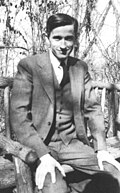
 United States of America
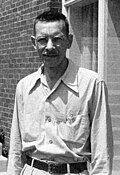
United States of America

United States of America
Explanation
Viruses are tiny agents that cannot multiply on their own. Max Delbrück and his colleagues studied how a virus makes copies once it enters a bacterial cell. They used a virus called a “bacteriophage” that infects bacteria. The phage sticks to a bacterium, injects only its blueprint (DNA), and hijacks the bacterial factory. Inside, many new viruses are built, and finally the bacterium bursts open, releasing the viruses. By uncovering this process, the scientists helped us understand both viruses and how genes work.
Related Keywords
bacteriophage
A bacteriophage is a virus that infects and replicates within bacteria. It packages its DNA in a protein head and pierces the bacterial membrane with a tail to inject the genes. After entry it hijacks host metabolism, assembling hundreds of progeny phages within minutes. Eventually the bacterium lyses, releasing the new phages. Owing to their simplicity, phages have long served as key model organisms in DNA research.
one-step growth curve
The one-step growth curve is an experimental plot of infectious virion numbers versus time after infection. Delbrück and colleagues removed unadsorbed phages and sampled the culture at fixed intervals, then diluted and plated. The resulting curve shows latent, burst and plateau phases, giving a quantitative picture of the replication cycle. It demonstrated that phages replicate synchronously and release progeny in an explosive burst. The method remains a staple for viral kinetics studies today.
Luria–Delbrück fluctuation test
The Luria–Delbrück fluctuation test showed that mutations arise randomly rather than being induced by the environment. Independent bacterial cultures were grown, exposed to phage and survivor counts compared. Variance far exceeding a Poisson expectation indicated that mutations pre-existed before phage exposure. Zero-class probability and maximum-likelihood methods enabled precise mutation-rate estimates. The test became foundational for studies of evolutionary rates and antibiotic resistance.
Hershey–Chase experiment
The Hershey–Chase blender experiment decisively demonstrated that DNA is the hereditary material. T2 phage DNA was labeled with 32P and protein with 35S before infecting Escherichia coli. Vigorous blending detached viral coats; 32P remained inside bacteria while 35S stayed outside. The result showed that only DNA directs progeny formation, marking a turning point in molecular genetics. It laid groundwork for the double-helix model and the later cracking of the genetic code.
genetic mapping
A genetic map depicts the relative positions of genes along a chromosome or viral genome. In phages, high-resolution maps based on recombination frequencies divided the genome into fine functional regions. Researchers in the Delbrück school combined complementation and crossing experiments to identify more than 100 loci in T4 phage. These maps were later correlated with DNA sequence data, helping translate genetic distance into physical distance. Precise positional information underpins today’s genome-editing technologies.
DNA replication
DNA replication is the process by which cells or viruses make accurate copies of their genetic information. Phage studies showed that semiconservative replication applies to viruses as well. Stepwise elucidation included RNA primer synthesis, DNA polymerase elongation, and genome packaging into capsids. These insights inform our understanding of cancer mechanisms and guide antiviral drug development. Methods to measure replication errors are essential for studying evolutionary rates and resistance acquisition.