1970 Nobel Prize in Physiology or Medicine
Reason for Award
for their discoveries concerning the humoral transmitters in the nerve terminals and the mechanisms for their storage, release and inactivation
Laureates
 United Kingdom of Great Britain and Northern Ireland
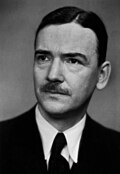
 Sweden
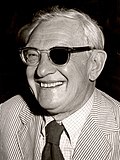
 United States of America
Explanation
Inside our bodies, electric messages travel along nerves from the brain. But where one nerve ends and the next begins, a tiny gap stops electricity. Sir Bernard Katz, Ulf von Euler and Julius Axelrod discovered that tiny “messenger” molecules, called neurotransmitters, jump across this gap. They are stored in little bags, released when needed, and then cleaned up when the job is done. Knowing this has helped scientists make medicines that change body movement or mood. Things like cold tablets or pain relievers use ideas from this work. The prize honored the discovery of the way nerves “talk” to each other.
Related Keywords
neurotransmitter
A chemical released by neurons at synapses to pass information. Classic examples are acetylcholine, noradrenaline and dopamine, each with excitatory, inhibitory or modulatory roles. By binding receptors they open ion channels or activate G-protein pathways, altering membrane potential or enzyme activity in the target cell. Imbalances cause motor or mood disorders, so pharmacological modulation is central to medicine. The 1970 Nobel work was pivotal because it defined the entire life cycle—storage, release and inactivation—of these molecules.
synaptic vesicle
A ~40 nm membrane-bound sac that stores neurotransmitters at high concentration. When an action potential arrives, Ca²⁺ influx triggers SNARE-mediated fusion with the presynaptic membrane and transmitter release. Katz’s quantal hypothesis linked one vesicle to one quantum of release. After exocytosis, vesicles are retrieved by endocytosis and recycled, with transporters such as VAChT or VMAT2 reloading the contents. This rapid cycle underpins fast and precise synaptic communication.
reuptake
An active process whereby the presynaptic ending recovers released transmitter. Axelrod showed it is the dominant means of terminating noradrenaline signaling. High-affinity transporters (NET, SERT, DAT) harness membrane potential and Na⁺ gradients to drive molecules back into the cell. Reuptake inhibitors, such as SSRIs or tricyclic antidepressants, raise synaptic levels and prolong signaling. Because of its therapeutic and abuse potential, reuptake is a key pharmacological target.
acetylcholine
A principal transmitter at neuromuscular junctions, parasympathetic synapses and central cholinergic circuits. Katz measured miniature end-plate potentials in frog muscle, proving quantal acetylcholine release. In the cleft it is hydrolyzed within milliseconds by acetylcholinesterase. Muscle relaxants and Alzheimer drugs act by inhibiting this enzyme, while nerve agents like sarin do the same lethally. Thus acetylcholine research bridges physiology, therapeutics and toxicology.
noradrenaline
A catecholamine released from sympathetic terminals and the locus coeruleus, regulating heart rate, blood pressure and arousal. Von Euler chemically quantified its presence and actions. Once released, it is recaptured by NET and metabolized by MAO and COMT. β-blockers and SNRIs target this pathway in hypertension or depression. Noradrenaline also figures in stress responses and ADHD, keeping it at the forefront of clinical research.
synaptic cleft
A ~20 nm gap between two neurons or a neuron and a muscle fiber. Because electrical current cannot jump this space, chemical transmitters must diffuse across it. Enzymes and transporters populate the cleft, tightly controlling transmitter concentration and duration. Its structure and composition change during development and learning, contributing to plasticity. Pathogens or toxins targeting the cleft can produce severe neurological symptoms.
monoamine oxidase
A flavin enzyme on the outer mitochondrial membrane that oxidatively degrades monoamines such as noradrenaline, dopamine and serotonin. Axelrod showed that MAO inhibition raises catecholamine levels, laying groundwork for antidepressant development. Two isoforms, MAO-A and MAO-B, allow selective inhibition to limit side effects. MAO inhibitors are used in Parkinson’s disease and hypertension but require caution with dietary tyramine interactions.