1971 Nobel Prize in Physiology or Medicine
Reason for Award
for his discoveries concerning the mechanisms of the action of hormones
Laureates
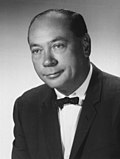
 United States of America
Explanation
Our bodies use chemical messengers called hormones to send signals. Dr. Earl Sutherland discovered that when a hormone talks to a cell, a tiny molecule inside the cell called cAMP works like a switch. This showed how hormones raise blood sugar or speed up the heartbeat. It is like a doorbell (the hormone) ringing outside and a buzzer (cAMP) sounding inside the house to alert everyone. His finding became a key clue for creating new medicines.
Related Keywords
second messenger
A small molecule that relays information inside the cell after an extracellular signal (hormone, neurotransmitter) binds to its receptor. Typical examples include cAMP, Ca²⁺, and IP₃. Because huge amounts are generated compared with the tiny hormone concentration, they amplify the signal. They regulate multiple target proteins simultaneously, producing rapid and coordinated physiological responses. Dysregulated second-messenger production can lead to cancer or metabolic disease.
cAMP
Also called cyclic AMP, this cyclic nucleotide is synthesized from ATP by adenylate cyclase. Its concentration rises sharply upon hormonal stimulation, mainly activating PKA to start phosphorylation cascades. It participates in metabolic control, memory formation, cardiac contraction, and more. Intracellularly it is degraded to AMP by phosphodiesterases, terminating the signal. Numerous drugs act by modulating cAMP production or degradation.
adenylate cyclase
A membrane-embedded enzyme that catalyzes the formation of cAMP from ATP. Its activity is increased or decreased by Gs or Gi proteins coupled to GPCRs. Multiple isoforms exist, each with tissue-specific expression profiles. Excessive or deficient activity is directly linked to diseases such as heart failure and endocrine disorders. Pharmacological inhibitors and genetic manipulations highlight its role as a central hub in signaling networks.
protein kinase A
Also called cAMP-dependent protein kinase, PKA becomes active when cAMP binds the regulatory subunits, releasing the catalytic subunits. It phosphorylates serine/threonine residues on substrate proteins, controlling metabolic enzymes and transcription factors. The typical tetrameric holoenzyme exists as RI and RII families. It can translocate to the nucleus and directly alter gene expression. Mutations or dysregulation of PKA cause endocrine disorders such as Cushing’s syndrome.
signal transduction
A series of processes by which extracellular stimuli received by receptors are converted into intracellular responses through chemical and physical changes. It comprises ligand binding, second-messenger production, kinase cascades, and transcriptional control in multiple layers. Sutherland’s work established systematic understanding of amplification and branching in such pathways. In disease, defects at any step can perturb the entire signaling network. Drug discovery targets key nodes in the network to maximize efficacy while minimizing side effects.
G protein
Short for guanine-nucleotide-binding protein, it acts as a molecular switch transmitting information from receptors to effector enzymes. Different α subunits such as Gs, Gi, and Gq regulate adenylate cyclase or phospholipase C. Inactive when bound to GDP, it becomes active upon GTP exchange and is turned off by its intrinsic GTP hydrolysis. Discovered by Rodbell and colleagues, complementing Sutherland’s model and earning another Nobel Prize. Mutations in G proteins are implicated in cancer and hereditary endocrine tumors.
glycogenolysis
The process of degrading glycogen stored in liver and muscle into glucose-1-phosphate, supplying blood sugar and energy. Upon hormonal stimulation, cAMP activates phosphorylase kinase, which in turn switches glycogen phosphorylase to the ON state. Sutherland used this reaction system as a model to establish the second-messenger concept. Excessive glycogenolysis contributes to hyperglycemia in diabetes, whereas impaired breakdown causes glycogen storage diseases leading to muscle weakness or hepatomegaly.
hormone receptor
A protein that specifically binds a hormone and initiates intracellular signaling. They are broadly classified into membrane-bound types (e.g., GPCRs) and nuclear types (e.g., steroid receptors). Sutherland’s work introduced the idea that a membrane receptor remotely controls adenylate cyclase. Receptor inactivation or overexpression is involved in endocrine disorders and cancers. Agonists and antagonists of receptors form a central category of modern pharmacotherapy.