1974 Nobel Prize in Physiology or Medicine
Reason for Award
for their discoveries concerning the structural and functional organization of the cell
Laureates
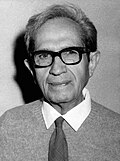
 Belgium
Belgium
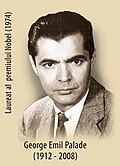
 United States of America
Explanation
Our bodies, and all animals and plants, are built from tiny rooms called cells. Albert Claude, Christian de Duve, and George Palade peered into these rooms with an extremely powerful microscope and drew the first detailed map of what is inside. They also invented a way to spin broken-up cells in a special machine so that the parts separate, a bit like using a salad spinner. Thanks to their work, scientists discovered the protein-making “ribosome,” the trash-eating “lysosome,” and many other little organs inside the cell. We now know that a cell is not just jelly but a busy town with factories, garbage plants, and warehouses. These findings help doctors understand why we get sick and how medicines work. In short, the three laureates carried out an amazing “cell adventure” that revealed many secrets of life.
Related Keywords
cell fractionation
A technique that breaks open cells and separates organelles by differential centrifugation according to size and density. Claude’s refinements allowed mitochondria, lysosomes, ribosomes, and other components to be isolated for functional assays, clarifying the division of labor inside the cell.
electron microscopy
An instrument that uses electron beams instead of light to magnify specimens. The ultra-short wavelength of electrons yields sub-nanometer resolution; Palade visualized ribosomes and the Golgi apparatus by this method. Electron microscopy became the decisive tool for cellular ultrastructure studies and has evolved into cryo-EM today.
ribosome
A molecular machine composed of RNA and proteins that synthesizes polypeptide chains. Palade first identified it as dense particles on rough ER membranes, pinpointing the site of translation. Ribosomes remain key targets in antibiotic development and molecular evolution studies.
lysosome
An acidic vesicle rich in hydrolytic enzymes that degrades waste and cellular components. De Duve discovered it by tracking acid phosphatase activity in cell fractions. Lysosomes are central to studies of lysosomal storage diseases and autophagy.
peroxisome
An organelle containing oxidative enzymes that generate and degrade hydrogen peroxide. De Duve identified it using D-amino-acid oxidase as a marker and showed its importance in fatty-acid β-oxidation and reactive oxygen handling. It is strongly linked to hereditary metabolic disorders and aging research.
Golgi apparatus
A stacked membrane structure that modifies and sorts proteins and lipids. Palade’s EM images clarified the ordered cis-to-trans cisternal organization, establishing its role as a relay station in the secretory pathway. It remains a focal point in studies of intracellular trafficking.
endoplasmic reticulum
A branched membrane system continuous with the nuclear envelope that mediates protein synthesis (rough ER) and lipid metabolism (smooth ER). Claude and Palade mapped its extensive network by fractionation and EM, revealing it as the starting point of cellular logistics. It is also crucial for calcium storage and protein quality control.
ultracentrifuge
A device that spins samples at tens of thousands of revolutions per minute, generating enormous centrifugal forces. Claude’s improved version enabled separation of organelles by both rate-zonal and isopycnic gradients, launching the era of cellular biochemistry. Today it is also employed in virus purification and nanoparticle analysis.
intracellular trafficking
The process by which newly synthesized proteins and lipids are transported between organelles. Palade’s pulse-chase work established the concept of the secretory pathway, paving the way for studies on SNARE and coat proteins. It underlies our understanding of neurotransmission and hormone secretion.
structural-functional organization of the cell
The idea that organelles and the cytoskeleton form an integrated network in which each component performs specialized tasks to sustain life. The 1974 Nobel Prize recognized the establishment of this holistic view. Modern systems biology and multiscale imaging build upon and expand this concept.