1982 Nobel Prize in Physiology or Medicine
Reason for Award
discoveries concerning prostaglandins and related biologically active substances
Laureates
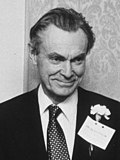
 Sweden
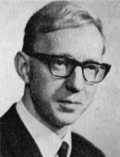
Sweden
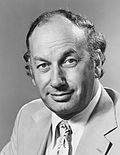
 United Kingdom of Great Britain and Northern Ireland
Explanation
Inside our bodies there are many tiny chemical "letters" that carry messages. One of them is called a prostaglandin, a fat-like substance that can widen blood vessels and send fever or pain signals. The three scientists who won the 1982 Nobel Prize were the first to find this substance and learn how it is made. Thanks to their work we now understand how common pain-relief medicines work inside us. By controlling prostaglandins, doctors can help treat asthma or heart problems. Their discovery opened the door to many medicines we use every day.
Related Keywords
prostaglandin
Prostaglandins are a class of eicosanoids that are synthesized locally and degraded within seconds to minutes, making them classic paracrine hormones. They exert diverse effects such as vasodilation, smooth-muscle contraction, fever induction and pain sensitization. After arachidonic acid is converted by COX to PGG2 and PGH2, various synthases branch the pathway into PGE2, PGI2 and other species. Clinically they are used as ulcer-protective drugs, labor-inducing agents and treatments for pulmonary hypertension. Excess or deficiency contributes to inflammatory disorders, cardiovascular disease and cancer progression.
cyclo-oxygenase
Cyclo-oxygenase (COX) is a bifunctional enzyme that oxidizes arachidonic acid to the peroxide PGG2 and thus catalyzes the rate-limiting step of prostaglandin biosynthesis. COX-1 is constitutively expressed and maintains gastric mucosal integrity and platelet function. COX-2 is inducible by cytokines and growth factors and is implicated in inflammation and tumor progression. Aspirin irreversibly inhibits COX by acetylating a serine residue in the active site. Selective COX-2 inhibitors were developed to retain analgesic efficacy while reducing gastrointestinal side effects.
arachidonic acid
Arachidonic acid is a 20-carbon polyunsaturated fatty acid with four double bonds that is stored esterified in membrane phospholipids. Upon release by phospholipase A2 it is metabolized through the COX or lipoxygenase (LOX) pathways. The COX pathway yields prostaglandins and thromboxanes, whereas the LOX pathway produces leukotrienes and lipoxins. It also modulates membrane fluidity and serves as a precursor for essential fatty-acid signaling. Derived from dietary linoleic acid, it is heavily consumed during inflammatory responses.
thromboxane
Thromboxane A2 (TXA2) is an eicosanoid produced by platelets that powerfully induces platelet aggregation and vasoconstriction. TXA2 is highly unstable and hydrolyzes within seconds to the inactive TXB2. Thromboxane synthase converts PGH2 into TXA2 via a cyclization reaction. Aspirin’s antithrombotic effect stems from irreversible inhibition of platelet COX-1, blocking TXA2 formation. The balance between TXA2 and PGI2 is critical for thrombosis and vascular tone control.
prostacyclin
Prostacyclin (PGI2) is synthesized by vascular endothelium and strongly promotes vasodilation while inhibiting platelet aggregation. Although unstable with a half-life of minutes, it elevates cAMP via IP receptors to exert its effects. PGI2 analogues are clinically used to treat pulmonary arterial hypertension. PGI2 acts antagonistically to TXA2, helping to regulate thrombosis in vivo. Reduced PGI2 formation during endothelial injury raises the risk of atherosclerosis and thrombosis.
leukotriene
Leukotrienes are eicosanoids formed via the 5-lipoxygenase pathway and promote bronchoconstriction and leukocyte trafficking. LTC4, LTD4 and LTE4, collectively called cysteinyl leukotrienes, are key mediators of asthma attacks. LTB4 is a potent chemoattractant for neutrophils. Leukotriene-receptor antagonists are widely used in asthma therapy. Crosstalk with the PG pathway modulates the intensity and duration of inflammatory responses.
eicosanoid
Eicosanoids are a family of bioactive lipids derived from 20-carbon fatty acids and include prostaglandins, thromboxanes and leukotrienes. Virtually all cells can synthesize them within seconds to deliver rapid, local signals. Biosynthetic enzymes are tightly regulated by intracellular calcium and phosphorylation events. The eicosanoid network modulates diverse processes such as immunity, coagulation and neuronal communication. Dysregulated production contributes to chronic inflammation, cancer and metabolic disease.
non-steroidal anti-inflammatory drug
Non-steroidal anti-inflammatory drugs (NSAIDs) inhibit COX and reduce prostaglandin synthesis, providing analgesic, antipyretic and anti-inflammatory effects. Aspirin is an irreversible inhibitor that suppresses platelet TXA2 for prolonged periods even at low doses. Ibuprofen and naproxen are reversible inhibitors widely used for pain management. Long-term use can cause gastric ulcers and renal impairment, motivating the development of selective COX-2 inhibitors. Understanding the PG pathway has been central to improving NSAID safety and efficacy.
platelet aggregation
Platelet aggregation is the process by which platelets bind to each other to form a clot at sites of vascular injury. TXA2 promotes aggregation whereas PGI2 raises cAMP and inhibits it. Aspirin reduces TXA2 production and is used to prevent myocardial infarction and stroke. Imbalance in PG signaling contributes to thrombotic or bleeding disorders. Prostaglandin research has provided the foundation for modern antithrombotic therapy.
inflammation
Inflammation is the body’s defense response to infection or injury and is characterized by redness, heat, swelling and pain. PGE2 mediates fever and pain, while LTB4 attracts neutrophils. COX-2 induction and leukotriene production are key events in acute inflammation. Prostaglandin inhibitors and leukotriene antagonists are mainstays of anti-inflammatory therapy. Controlling lipid mediators is a promising strategy for chronic inflammatory diseases.