1985 Nobel Prize in Physiology or Medicine
Reason for Award
for their discoveries concerning the regulation of cholesterol metabolism
Laureates
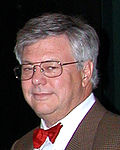
 United States of America
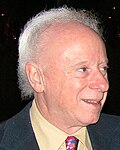
United States of America
Explanation
Our bodies contain a kind of fat called cholesterol. Cholesterol is important because it helps build cell walls and make hormones, but too much can damage blood vessels. Michael Brown and Joseph Goldstein studied how the body keeps cholesterol at the right level. They focused on tiny particles in the blood called “LDL” and on special “receptors,” like antennas, that catch LDL and bring it into cells. They showed that when these receptors do not work, cholesterol builds up. Their discovery helped doctors understand the cause of certain diseases and guided the creation of new medicines.
Related Keywords
Low-density lipoprotein (LDL)
LDL particles transport cholesterol from the liver to peripheral tissues and are roughly 20–25 nm in diameter. They consist mainly of apolipoprotein B-100 and cholesterol esters. Excess LDL accumulates in arterial walls and forms atherosclerotic plaques. The particles are cleared when they bind to LDL receptors and are endocytosed by cells, so receptor activity tightly regulates LDL levels. Consequently, plasma LDL concentration is a key marker for cardiovascular risk and a primary target of lipid-lowering therapies.
LDL receptor
The LDL receptor is a transmembrane glycoprotein with an N-terminal ligand-binding domain and a C-terminal cytoplasmic NPXY motif. After binding LDL, it is internalized via clathrin-coated pits and, upon endosomal acidification, releases its ligand. The receptor recycles to the plasma membrane, whereas LDL is degraded in lysosomes. Mutations affecting synthesis, transport, binding, internalization, or recycling of the receptor cause FH. Receptor expression is regulated by SREBP signaling in response to cellular cholesterol levels.
Familial hypercholesterolemia (FH)
FH is an autosomal dominant lipid disorder characterized by markedly elevated LDL cholesterol. In homozygous cases, atherosclerosis progresses from early childhood and can cause myocardial infarction before adolescence if untreated. Causative genes include LDLR, APOB, PCSK9, and LDLRAP1, with LDLR mutations being most common. Therapies involve statins, ezetimibe, PCSK9 inhibitors, and LDL apheresis in severe cases. Brown and Goldstein’s work was pivotal in elucidating the disease mechanism and establishing diagnostic criteria.
Receptor-mediated endocytosis
Receptor-mediated endocytosis is a pathway in which ligand-bound receptors are internalized via clathrin-coated vesicles. In addition to LDL, molecules such as transferrin, epidermal growth factor (EGF), and insulin enter cells through this mechanism. Acidification in endosomes triggers ligand release and influences receptor recycling efficiency. Disruption of the pathway causes disorders including hypercholesterolemia, anemia, and abnormal cell proliferation. It underpins modern research in intracellular trafficking and drug-delivery technologies.
Cholesterol homeostasis
Cholesterol homeostasis is maintained through a balance of synthesis, dietary absorption, transport, cellular uptake, esterification, and biliary excretion. Intracellular levels are coordinately regulated at transcriptional, translational, and degradation steps via SREBP-SCAP, LXR/RXR, AMPK, and other pathways. Variation in LDL receptor abundance is a major determinant of plasma LDL concentration. The liver plays a central role through bile acid synthesis and VLDL secretion. Disruption of homeostasis leads to atherosclerosis, gallstones, fatty liver, and other pathologies.
HMG-CoA reductase
3-Hydroxy-3-methylglutaryl-CoA reductase is the rate-limiting enzyme of the mevalonate pathway and thus pivotal for cholesterol biosynthesis. Statin drugs are competitive inhibitors of this enzyme and are the first-line therapy for lowering LDL cholesterol. Enzyme activity is controlled not only by SREBP-dependent transcription but also by phosphorylation/dephosphorylation and regulated degradation. Excess cholesterol promotes ER-associated degradation of the enzyme, forming a negative feedback loop. Research on HMG-CoA reductase has expanded to isoprenoid synthesis and protein prenylation, making it a target in cancer and infectious disease therapy.
Atherosclerosis
Atherosclerosis is a chronic inflammatory disease in which lipids accumulate in the arterial wall to form lesions called plaques. Oxidized or modified LDL triggers macrophage foam cell formation, building the plaque core. As the disease progresses, rupture of the fibrous cap can lead to thrombosis, causing myocardial infarction or stroke. Lipid management, blood-pressure control, smoking cessation, and exercise are pillars of prevention. Brown and Goldstein’s work supplied molecular evidence for the pathogenesis and, through statin therapy, greatly reduced cardiovascular mortality.