1986 Nobel Prize in Physiology or Medicine
Reason for Award
for their discoveries of growth factors
Laureates
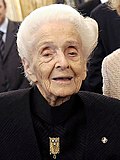
 Italy,
  United States of America
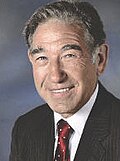
United States of America
Explanation
Our bodies are made of trillions of cells. When cells need to grow or new cells must appear, they wait for a chemical "signal." That signal is a protein called a “growth factor.” Rita Levi-Montalcini and Stanley Cohen were the first to find growth factors that help nerves grow and skin develop. Thanks to them, we now understand better how the body forms and how this knowledge can help treat diseases.
Related Keywords
growth factor
Growth factors are extracellular proteins or peptides that regulate cell proliferation, differentiation, and survival. Binding to their receptors activates intracellular signaling pathways, altering transcription factors and metabolic enzymes. During development they form spatial gradients that shape organ morphology. Upon tissue injury they act as cytokines that accelerate repair processes. Dysregulation leads to pathologies such as tumorigenesis or fibrosis, making tight control essential.
nerve growth factor (NGF)
NGF is the first identified growth factor and sustains survival and axonal extension of sensory and sympathetic neurons. It binds the high-affinity TrkA receptor, activating MAPK and AKT pathways that remodel the cytoskeleton and transmit anti-apoptotic signals. Dimerization with p75NTR alters signaling specificity and can even trigger programmed cell death under certain contexts. Altered NGF levels are seen in Alzheimer’s disease and peripheral neuropathies, driving trials of recombinant proteins and gene therapy. Because excessive NGF amplifies pain sensitivity in chronic pain, anti-NGF antibodies are under clinical evaluation.
epidermal growth factor (EGF)
EGF is the prototypic ligand of the EGFR family and stimulates proliferation of epithelial cells and fibroblasts. Autophosphorylation of EGFR activates the Ras-Raf-Erk, PLCγ, and STAT pathways, driving the G1-to-S phase transition of the cell cycle. EGFR over-expression or mutation is frequently observed in cancers, acting as a driver of aberrant growth signaling. Small-molecule tyrosine-kinase inhibitors such as gefitinib and erlotinib are first-line treatments for EGFR-mutant lung cancer. Topical EGF formulations are also used clinically to accelerate wound and corneal healing.
receptor tyrosine kinase (RTK)
RTKs are transmembrane proteins possessing an extracellular ligand-binding domain and an intracellular tyrosine-kinase domain. Ligand binding induces dimerization and reciprocal tyrosine phosphorylation, activating the receptor. The phosphorylated residues recruit adaptor proteins that trigger MAPK, PI3K, JAK/STAT, and other cascades. Gene amplification or point mutations in RTKs drive numerous diseases including cancers, diabetic complications, and developmental disorders. Many approved targeted therapies are RTK inhibitors or antibodies, placing RTKs at the core of precision medicine.
cell signaling
Cell signaling refers to the molecular networks that transmit external information into cells. When receptors are stimulated, initial events such as phosphorylation, G-protein activation, and second-messenger generation occur. These reactions expand in cascades, leading to transcriptional regulation and cytoskeletal remodeling, ultimately dictating proliferation, differentiation, or motility. Signals are tightly controlled in time and space, and crosstalk allows complex information processing. Aberrant signaling underlies diseases ranging from cancer and immune disorders to neurodegeneration, driving systemic studies and drug-discovery efforts.