1989 Nobel Prize in Physiology or Medicine
Reason for Award
for the discovery that the oncogenes of retroviruses are of cellular origin
Laureates

 United States of America
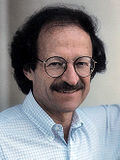
United States of America
Explanation
Inside our body’s cells there are many genes that normally work hard and keep the cell healthy. Dr. Bishop and Dr. Varmus studied a chicken retrovirus and noticed that its “cancer gene” was almost the same as a normal gene already present in animal cells. In other words, the virus had borrowed the gene from the cell and carried a slightly changed version of it. When the altered gene becomes overactive, the cell keeps multiplying and cancer can form. Knowing this gave scientists an important clue about why cancers start. Their discovery became the foundation for new ways to find and treat cancer.
Related Keywords
retrovirus
A virus that carries its genome as RNA and uses reverse transcriptase to synthesize DNA, which is then integrated into the host genome. Examples include Human Immunodeficiency Virus (HIV) and Rous sarcoma virus (RSV). Once integrated as a provirus, it replicates with the host cell, allowing long-term persistence. Retroviruses can acquire cellular oncogenes and thereby promote tumor formation; understanding this mechanism has informed the design of gene-therapy vectors. Research on retroviruses opened a new interface between virology and molecular biology.
oncogene
A mutated gene that drives uncontrolled cell growth by overproducing or constitutively activating growth-promoting proteins. It arises when a normal proto-oncogene undergoes mutation, chromosomal translocation, or gene amplification to gain new function. Oncoproteins include tyrosine kinases, G-proteins, and transcription factors—key nodes in signaling networks. Targeted inhibitors can selectively suppress cancer cells addicted to such oncogenes. Identifying oncogenes therefore marks the starting point of molecularly targeted therapy.
proto-oncogene
A normal gene that regulates essential processes such as development and tissue repair, but can become an oncogene when mutationally activated. Notable examples include c-src, c-ras, and c-myc, which intimately control the cell cycle and apoptosis. Evolutionary conservation underscores their physiological indispensability, yet their mutation sensitivity embeds a latent tumor risk in all genomes. Bishop and Varmus first articulated this concept, shifting cancer biology from a virus-centric to a cell-centric paradigm. Today, multistep carcinogenesis models centered on proto-oncogene activation form a cornerstone of clinical oncology.
src gene
The first identified oncogene, originating from Rous sarcoma virus, encoding a tyrosine kinase. Cellular c-src participates in morphology control and adhesion by mediating F-actin reorganization. Viral v-src is constitutively active owing to aberrant N-terminal myristoylation and other modifications, inducing focus formation characteristic of transformed cells. Src studies opened the field of non-receptor tyrosine kinase biology and spurred analyses of cancer-related mutations in kinases such as ABL and LCK. Src inhibitors are still under clinical evaluation as part of strategies to overcome drug resistance in solid tumors.
reverse transcription
The process of synthesizing DNA from an RNA template, catalyzed by reverse transcriptase (RT). Retroviruses employ it to convert their RNA genome into DNA for chromosomal integration. Discovery of RT revealed an exception to the “central dogma,” profoundly impacting molecular biology. RT technology underlies RT-PCR, now a standard method for analyzing gene expression. RT inhibitors are a mainstay of HIV therapy, exemplifying the link between virology and drug discovery.
signal transduction
A cascade that converts an external stimulus detected by a receptor into an intracellular response through phosphorylation events or second messengers. Many proto-oncogene products occupy nodal positions in these circuits, and their hyperactivation triggers proliferation and inhibits apoptosis. Aberrant activation of src, ras, or EGFR directly promotes malignancy and metastatic potential. Detailed pathway mapping supplies essential information for inhibitor design and biomarker selection. Combination therapies targeting multiple pathways simultaneously are now being explored to overcome resistance.
carcinogenesis
The multistep transformation of a normal cell into a malignant one through genetic mutations and epigenetic alterations. The classic model divides the process into initiation, promotion, and progression, with proto-oncogene activation primarily driving initiation. Besides chemical and radiation insults, viral gene recombination can accelerate mutation accumulation. Genome instability, tumor microenvironment, and immune response have recently emerged as key additional factors and are now studied integratively. Molecular carcinogenesis research underpins applications ranging from risk assessment to therapeutic development.