2018 Nobel Prize in Physiology or Medicine
Reason for Award
for the discovery of immune-checkpoint inhibitors and their application to cancer therapy
Laureates
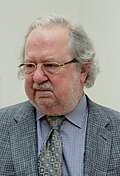
 United States of America
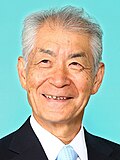
 Japan
Japan
Explanation
Our bodies have an immune system that fights germs and viruses. If the immune system works too hard, it might attack our own body, so it has special “brakes.” Dr. Allison and Dr. Honjo discovered how to release these brakes. When the brakes are released, sleeping immune cells wake up and attack cancer cells. This led to new medicines called immune-checkpoint inhibitors. Today, people around the world are being saved by this treatment.
Related Keywords
immune checkpoint
A collective term for molecules that put brakes on T-cell activity, with CTLA-4 and PD-1 as prime examples. Tumors exploit these pathways to evade immune destruction. Blocking checkpoints re-awakens suppressed T cells. Immune-checkpoint inhibitors are drugs based on this principle. Active research seeks additional checkpoint molecules for future therapies.
CTLA-4
A surface immune receptor that binds B7-1/B7-2 with high affinity, competitively blocking costimulation. Dr. Allison proved CTLA-4’s inhibitory role and developed the anti-CTLA-4 antibody ipilimumab. CTLA-4 blockade enhances early T-cell priming in lymph nodes and depletes Tregs within tumors. Immune-related colitis and hypophysitis are common adverse effects. Nevertheless, it provides durable remissions in otherwise refractory cancers.
PD-1
Discovered by Dr. Honjo, Programmed Death-1 is an inhibitory receptor and marker of T-cell exhaustion. Its ligands, PD-L1/PD-L2, are often overexpressed by tumor cells. Via its ITSM motif, PD-1 recruits SHP2 and dampens TCR signaling. Anti-PD-1 antibodies (e.g., nivolumab, pembrolizumab) reinvigorate TILs, showing high response rates with comparatively mild toxicities. Non-response is associated with defects in antigen presentation or IFN signaling such as β2M loss or JAK mutations.
cancer immunotherapy
Recognized as the “fourth pillar” of cancer therapy alongside surgery, radiotherapy and chemotherapy. It encompasses checkpoint inhibition, CAR-T cells, cancer vaccines and cytokine treatments. Immunotherapy offers potential long-lasting effects through specificity and immunological memory. Challenges include immune-related adverse events and high costs. Biomarker-guided patient selection and rational combination strategies are key research directions.
autoimmunity
A condition where the immune system attacks self-tissues and a major adverse effect of checkpoint inhibitors. CTLA-4 blockade often causes severe colitis, whereas PD-1 blockade more frequently leads to thyroiditis or pneumonitis. Mechanisms include Treg depletion and activation of self-reactive T cells. Most cases are controlled with steroids or anti-TNF antibodies, though therapy discontinuation may be necessary. Effective management of these events is crucial for immunotherapy success.
tumor mutational burden
The total number of somatic mutations accumulated in a tumor; higher TMB increases the repertoire of neo-antigens and the likelihood of immune recognition. Clinical studies show significantly better response rates to PD-1 blockade in high-TMB patients. Nevertheless, some low-TMB tumors respond, so TMB alone is insufficient as a definitive predictor. Assessment uses whole-exome or targeted sequencing panels. Composite biomarkers combining TMB with other factors are under active investigation.