1937 Nobel Prize in Chemistry(2)
Reason for Award
for his investigations on carotenoids, flavins and vitamins A and B2
Laureates
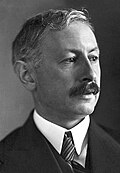
 Switzerland
Explanation
You may have heard that eating carrots is good for your eyes. That is because the orange pigment, a carotenoid, can turn into vitamin A. Dr. Karrer isolated the pigments that give carrots and spinach their colors and found out what shapes they have. He also studied vitamin B2 (riboflavin), the yellow nutrient in milk. Thanks to his work, we can measure exactly which vitamins are in food and add them when needed. His research explained the mystery behind colors and health.
Related Keywords
carotenoid
Yellow to red pigments found in plants, algae and microorganisms. Their conjugated double bonds absorb light, giving bright colors, and they act as antioxidants or vitamin A precursors. Karrer’s work clarified the link between chemical structure and biological function.
beta-carotene
The best-known carotenoid and the pigment in carrots. It is a provitamin that is cleaved in the body to form vitamin A. Structural studies laid the groundwork for retinoid biosynthesis research relevant to vision and immunity.
flavin
A group of yellow pigments containing an isoalloxazine ring. They form the core of riboflavin and act as the redox coenzymes FMN and FAD. Because they are light-sensitive, they influence optimal conditions for food storage and processing.
riboflavin
A water-soluble vitamin known as vitamin B2. It is the precursor of coenzymes that shuttle electrons in energy metabolism. Deficiency causes ailments such as cracked lips and growth disorders, so it is added to dairy products and fortified foods.
vitamin A
A group of compounds including retinol and retinal essential for vision and epithelial maintenance. It is generated from provitamins like carotenoids. Karrer’s elucidation advanced nutritional standards and supplement development.
conjugated double bond
A structural motif where alternating double bonds allow delocalization of π-electrons, changing light absorption and electrical properties. It underlies the vivid color and antioxidant activity of carotenoids.