1980 Nobel Prize in Chemistry(1)
Reason for Award
for his fundamental studies of the biochemistry of nucleic acids, with particular regard to recombinant DNA
Laureates
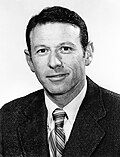
 United States of America
Explanation
DNA is the blueprint of our bodies and looks like a very long string. Paul Berg discovered how to cut DNA like scissors and glue pieces together from different organisms. This technique is called “recombinant DNA.” Thanks to it, bacteria can be given human genes and made to produce medicines such as insulin. Modern vaccines and gene therapies were built on this idea. His work was a huge first step toward designing life at will.
Related Keywords
nucleic acid
A macromolecule, such as DNA or RNA, that carries genetic information. Built from nucleotide units containing a base, sugar, and phosphate. Berg’s work established methods to cut and re-join nucleic acids, revolutionizing molecular biology experimentation. The concept is now essential for genetic diagnostics and vaccine design. Nucleic acids are often called the universal language of life.
recombinant DNA
An artificial DNA molecule created by joining fragments from different organisms. Enables mass expression and functional analysis of target genes. Berg’s methods made safe pharmaceutical production and agricultural improvements possible. The technology also requires careful ethical and social considerations. It stands as the starting point for modern gene-editing techniques.
restriction enzyme
A bacterial defense protein that recognizes specific nucleotide sequences and cuts DNA. Berg used it as a molecular pair of scissors to cut DNA at desired locations. Many different enzymes have been discovered and catalogued. They are indispensable to genome engineering and forensic science today. Restriction enzymes laid the foundation for precise genetic manipulation.
plasmid vector
A small circular DNA molecule found in bacteria that serves as a carrier of foreign genes. It contains replication origins, antibiotic resistance genes, and multiple restriction sites, making it easy to amplify in the lab. Berg’s first shuttle vectors were later adapted for use in eukaryotic cells. Today there are many derivatives, including expression vectors and CRISPR delivery plasmids. Plasmid vectors are often dubbed the workhorses of genetic engineering.
expression system
A setup in which a foreign gene is introduced so that a cell produces the desired protein. Hosts include E. coli, yeast, insect, and mammalian cells. Thanks to recombinant DNA technology, medicines such as insulin can now be manufactured in large quantities. Current research focuses on improving expression levels and controlling post-translational modifications. Expression systems underpin the entire biotechnology industry.