1929 Nobel Prize in Physiology or Medicine(1)
Reason for Award
Discovery of the antineuritic vitamin (vitamin B1)
Laureates
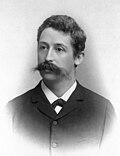
 Netherlands
Explanation
Dr. Eijkman noticed that chickens could get a disease called beriberi depending on their food. When they were fed only polished white rice, their legs stopped working, but adding rice bran made them healthy again. He realized rice bran contained a special substance that protected the body. This substance was later called vitamin B1, a kind of “energy switch” for our bodies. Eating vegetables and other foods together with rice or bread helps us get this vitamin and stay healthy.
Related Keywords
vitamin B1
Formally called thiamine. Acts as a co-enzyme in carbohydrate metabolism; deficiency leads to beriberi and Wernicke’s encephalopathy.
beriberi
A vitamin B1 deficiency disease characterized by peripheral neuritis and heart failure, historically common in Asia where polished rice dominated.
antineuritic factor
Name Eijkman gave to the unknown compound in rice bran that prevented nerve inflammation, later identified as vitamin B1.
rice bran
The outer layer of brown rice. Rich in B-vitamins and minerals; its removal during polishing contributed to beriberi outbreaks.
thiamine pyrophosphate (TPP)
The active form of vitamin B1. Catalyzes decarboxylation reactions in enzymes such as pyruvate and α-ketoglutarate dehydrogenase.
nutritional deficiency
Pathological conditions caused by lack of specific essential nutrients, frequently involving vitamins or minerals.