1929 Nobel Prize in Physiology or Medicine(2)
Reason for Award
Discovery of growth-stimulating vitamins
Laureates
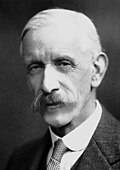
 United Kingdom of Great Britain and Northern Ireland
Explanation
Dr. Hopkins discovered that simply filling the stomach is not enough for the body to grow. When mice were fed only protein and sugar, they became weak and stopped growing. Adding a bit of milk made them lively again. He concluded that milk contained “tiny growth nutrients,” later called vitamins. His work shows why eating vegetables and fruits as well as main dishes is essential for health.
Related Keywords
vitamin
Collective term for organic compounds that cannot be synthesized in sufficient amounts by the body and whose absence causes disease; their importance was cemented by Hopkins’s work.
growth-stimulating factor
Micronutrients essential for normal growth; Hopkins demonstrated their presence in milk.
fat-soluble factor A
Later identified as vitamin A, crucial for vision and epithelial maintenance; abundant in butter and cod-liver oil.
water-soluble factor B
Evolved into the collective term for B-complex vitamins; act as co-enzymes in metabolism, each with distinctive deficiency syndromes.
synthetic diet experiment
Method of feeding animals purified nutrients devoid of natural components to reveal the necessity of trace essential factors.
dietary diversity
Concept that consuming varied food groups prevents vitamin and mineral deficiencies; grounded in Hopkins’s findings.