1943 Nobel Prize in Physiology or Medicine(1)
Reason for Award
for the discovery of vitamin K
Laureates
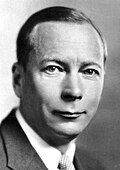
 Denmark
Explanation
When we get hurt we bleed, but soon the blood clots and the bleeding stops. Mr. Dam fed young chickens a special diet that lacked some ingredients and noticed their blood would not clot. He realized a tiny nutrient was missing and called it the “coagulation vitamin.” Because “Koagulation” starts with the letter K in German, the nutrient became known as vitamin K. Vitamin K is plentiful in green foods like spinach, cabbage and seaweed. Dam’s discovery teaches us that eating vegetables helps our bodies stop bleeding safely.
Related Keywords
vitamin K
Vitamin K is a collective term for fat-soluble naphthoquinone compounds. It is categorized mainly into plant-derived phylloquinone (K1) and bacteria-derived menaquinones (K2). Vitamin K serves as a co-factor for γ-carboxylation of clotting factors, preventing hemorrhage. It also influences bone metabolism and vascular calcification, making it relevant to lifestyle-related diseases. Rich sources include green leafy vegetables, natto and liver; deficiency is rare in adults but prophylactic supplementation is standard in newborns.
blood coagulation
Blood coagulation is a defense mechanism that converts fluid blood into a gel to stop bleeding. It proceeds through a cascade in which multiple clotting factors are sequentially activated. Vitamin K-dependent factors II, VII, IX and X contain calcium-binding domains and are indispensable for stable hemostatic plugs. Defects manifest as bleeding diathesis or thrombosis; laboratory assessment employs PT and APTT. Therapeutic vitamin K or anticoagulants exploit regulation of this cascade.
prothrombin
Prothrombin (factor II) is a liver-derived zymogen in the coagulation pathway. Vitamin K-dependent γ-carboxylation endows it with calcium-binding capability for membrane localization. Once converted to thrombin, it cleaves fibrinogen to fibrin, forming the final clot. Prothrombin time (PT) clinically gauges its functional activity. Genetic deficiency, vitamin K lack or warfarin therapy lowers prothrombin levels.
fat-soluble vitamin
Fat-soluble vitamins encompass vitamins A, D, E and K, characterized by their solubility in lipids. They are stored mainly in the liver and adipose tissue and are less readily excreted than water-soluble vitamins. Absorption requires bile acids and micelle formation, so malabsorption syndromes predispose to deficiency. Excess intake of A or D can cause toxicity whereas K and E have comparatively wider safety margins. The lipid solubility explains why vitamin K was removed when lipids were extracted from Dam’s experimental feed.
γ-glutamyl carboxylase
γ-Glutamyl carboxylase (GGCX) is a membrane enzyme that converts specific glutamate residues to γ-carboxyglutamate in a vitamin K-dependent manner. It operates in the lumen of the endoplasmic reticulum and requires vitamin K hydroquinone as a co-factor. The resulting Gla residues bind calcium, anchoring clotting factors to phospholipid membranes. Mutations in GGCX cause hereditary bleeding disorders due to under-carboxylated proteins. Warfarin indirectly suppresses GGCX activity by blocking vitamin K recycling, thereby lowering coagulant capacity.
bone formation
Bone formation is the process in which osteoblasts secrete new bone matrix and mineralize it. Osteocalcin, an osteoblast-specific protein, undergoes vitamin K-dependent γ-carboxylation. Carboxylated osteocalcin binds hydroxyapatite, modulating bone hardness and elasticity. Epidemiological studies link vitamin K deficiency to reduced bone density and increased fracture risk. Dam’s discovery therefore informs not only hemostasis but also skeletal health.