1947 Nobel Prize in Physiology or Medicine(1)
Reason for Award
for their discovery of the course of the catalytic conversion of glycogen
Laureates
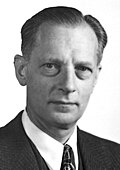
 United States of America
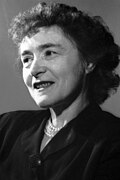
United States of America
Explanation
When we eat rice or bread, our body turns the food into tiny energy pieces called glucose. Extra glucose is stored in the liver and muscles as “glycogen,” an energy piggy-bank. Carl and Gerty Cori wanted to know how the body opens that piggy-bank when energy is needed. They discovered that tiny helpers called enzymes snip glycogen bit by bit. The chopped pieces quickly change back into glucose, powering our bodies. Understanding this process gave doctors new clues for treating diseases such as diabetes.
Related Keywords
glycogen
Glycogen is a polysaccharide in which glucose units are linked by α-1,4 bonds and branched by α-1,6 bonds every 8–12 residues. In the liver it maintains blood glucose, while in muscle it provides rapid energy. Degradation is catalysed by phosphorylase and synthesis by glycogen synthase, both hormone-regulated. Structural or quantitative defects cause glycogen storage diseases. Research on glycogen metabolism underpins sports science and diabetes therapy.
glycogen phosphorylase
Glycogen phosphorylase releases glucose-1-phosphate from glycogen by phosphorolysis, saving ATP. The enzyme exists in active a and inactive b forms, regulated by phosphorylation and allosteric effectors. Muscle, liver and brain isoforms possess distinct properties. Pharmacological inhibition is explored as a strategy against type 2 diabetes. The enzyme embodies a classic model of allosteric regulation.
glucose-1-phosphate
Glucose-1-phosphate is the first intermediate produced during glycogen breakdown. It is reversibly converted to glucose-6-phosphate by phosphoglucomutase. The phosphate keeps the molecule inside the cell, making it a metabolic hub. It also serves as a precursor for UDP-glucose in glycogen synthesis. It rarely appears in blood and functions chiefly intracellularly.
Cori cycle
The Cori cycle shuttles lactate from exercising muscle to the liver, where it is converted back to glucose and returned to muscle. This shares ATP costs between organs and permits activity under low oxygen. It redefined lactate as a vital messenger rather than waste. The concept informs sports nutrition and glucose management strategies. The cycle rests on the Coris’ enzymatic discoveries.
carbohydrate metabolism
Carbohydrate metabolism comprises reactions that break down and synthesize carbohydrates for energy and structural needs. Glycolysis, the citric acid cycle, gluconeogenesis and the pentose-phosphate pathway are central routes. They are tightly controlled by hormones and cellular energy status. Dysregulation leads to diabetes and metabolic syndrome. Knowledge of these pathways is crucial for drug design, food science and exercise physiology.
enzyme
Enzymes are biological catalysts that accelerate chemical reactions with high specificity and condition dependence. The Coris purified enzymes and pioneered pathway analysis at the molecular level. Enzyme research is central to drug discovery and biotechnology. Artificial and engineered enzymes are being developed for sustainable chemistry. Enzymology forms a foundation of modern life science.