1947 Nobel Prize in Physiology or Medicine(2)
Reason for Award
for his discovery of the part played by the hormone of the anterior pituitary lobe in the metabolism of sugar
Laureates
 Argentina
Explanation
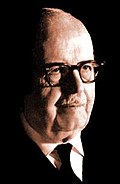
Our bodies keep the amount of sugar (glucose) in the blood just right. Hormones act as internal messages to help with this control. An Argentine scientist, Bernardo Houssay, focused on a tiny organ under the brain called the pituitary gland. In animal experiments he showed that a hormone from the front part of the pituitary makes blood sugar rise, and removing that part makes sugar fall. He revealed that the brain holds a switch for energy balance. This discovery gave doctors clues for understanding diabetes and growth-related illnesses.
Related Keywords
anterior pituitary lobe
The anterior pituitary lobe secretes many hormones, including growth hormone, ACTH and TSH. It is activated by hypothalamic signals and sends chemical messages to distant tissues. These hormones regulate growth, metabolism, stress responses and reproduction. Damage leads to conditions such as dwarfism and Cushing’s disease. In carbohydrate metabolism, growth hormone from the anterior lobe antagonizes insulin and raises blood glucose.
growth hormone
Growth hormone (GH) is a peptide that promotes bone and muscle growth. It increases lipase activity in adipocytes, raising free fatty acids. This lipid mobilisation suppresses glucose use in muscle and liver, elevating blood sugar. Excess causes acromegaly, deficiency causes dwarfism. Exercise, sleep and hypoglycaemia stimulate GH secretion.
endocrine system
The endocrine system is a network that regulates distant tissues via hormones. Major glands include the pituitary, thyroid, adrenals, pancreas and gonads. Hormones travel through the bloodstream and bind to receptors on target cells. The system cooperates with the nervous system to maintain homeostasis and respond to stress. Imbalances lead to disorders such as diabetes and obesity.
insulin resistance
Insulin resistance is a state in which normal insulin levels fail to elicit adequate responses in tissues. Glucose uptake is impaired, producing hyperglycaemia and hyperinsulinaemia. Excess growth hormone or glucocorticoids worsen resistance. Chronic resistance leads to type 2 diabetes and atherosclerosis. Exercise and weight control help improve the condition.
gluconeogenesis
Gluconeogenesis synthesizes glucose from lactate, amino acids and glycerol in liver and kidney. It maintains blood sugar during fasting or prolonged exercise. Growth hormone and glucocorticoids enhance the pathway. Insulin suppresses gluconeogenesis. Dysregulation leads to hyper- or hypoglycaemia.
blood glucose homeostasis
Blood glucose homeostasis keeps glucose concentration within narrow limits. It is maintained mainly by opposing actions of insulin and glucagon. Growth hormone and adrenaline also participate in regulation. Short-term control relies on hormone secretion changes, long-term control on enzyme expression. Diabetes represents a failure of this equilibrium.