1949 Nobel Prize in Physiology or Medicine(2)
Reason for Award
for his discovery of the therapeutic value of leucotomy in certain psychoses
Laureates
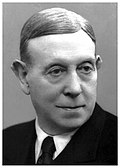
 Portugal
Explanation
Long ago, there were almost no medicines to help people with severe mental illnesses. Dr. Moniz found that cutting nerve connections in the front part of the brain (just behind the forehead) could ease their symptoms. The operation was major, but because no other treatments existed, it brought hope to many patients. Later, doctors learned the side effects were serious, and the procedure is now rarely used. Even so, it was an important starting point for studying how the brain and mind are linked.
Related Keywords
psychosurgery
Medical field that seeks to improve mental symptoms through surgical techniques. Leucotomy was the pioneering method, forming the starting point for today’s deep-brain stimulation and stereotactic radiosurgery.
leucotomy (prefrontal lobotomy)
Surgical procedure that cuts sub-cortical white-matter tracts of the frontal lobes to interrupt emotional and cognitive circuits. Invented by Moniz and performed worldwide in the 1930s–40s.
psychosis
A group of severe mental disorders characterized by loss of contact with reality, including hallucinations and delusions. Leucotomy was attempted as a remedy before effective drugs existed.
neural circuit
Network of neurons that transmits information in the brain. The fact that cutting them alters symptoms showed that mental functions depend on physical circuits.
ethical issues
Severe permanent sequelae and operations on patients with limited capacity to consent raised major ethical concerns. The controversy spurred development of formal ethics-review systems in medical research.