Nobel Memorial Prize in Economic Sciences
The Nobel Memorial Prize in Economic Sciences was established in 1968 by the Sveriges Riksbank on its 300th anniversary and is not one of the original prizes named in Alfred Nobel's will. Although the prize money is funded by the Riksbank, all other aspects of selection and presentation are managed by the Nobel Foundation and the Royal Swedish Academy of Sciences in tandem with the other Nobel Prizes. Laureates are selected confidentially by a committee of the Academy and the awards are announced each October. Up to three individuals may share the prize, and it may also be awarded to organizations. Recipients receive a gold medal bearing Alfred Nobel's image, a diploma, and a monetary award. The award ceremony is held in Stockholm on December 10, the anniversary of Nobel's death.
96
Laureates
1969~
First awarded
Royal Swedish Academy of Sciences
Presented by
All Laureates
← Back to prize information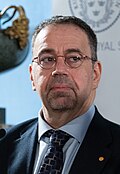
Daron Acemoglu
 Turkey,
  United States of America
for studies of how institutions are formed and affect prosperity
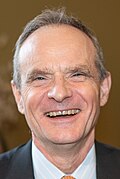
Simon Johnson
 United Kingdom of Great Britain and Northern Ireland, United States of America
for studies of how institutions are formed and affect prosperity
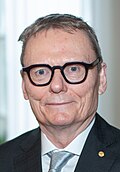
James A. Robinson
United Kingdom of Great Britain and Northern Ireland
for studies of how institutions are formed and affect prosperity
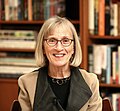
Claudia Goldin
United States of America
for having advanced our understanding of women’s labour market outcomes

David Card
 Canada, United States of America
for his empirical contributions to labour economics
Joshua Angrist
United States of America,  Israel
for their methodological contributions to the analysis of causal relationships
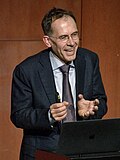
Guido Imbens
 Netherlands, United States of America
for their methodological contributions to the analysis of causal relationships

Paul Milgrom
United States of America
for improvements to auction theory and inventions of new auction formats
Robert B. Wilson
United States of America
for improvements to auction theory and inventions of new auction formats
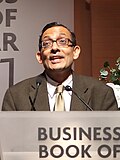
Abhijit Banerjee
United States of America
(India)
for their experimental approach to alleviating global poverty
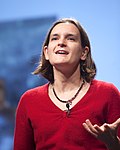
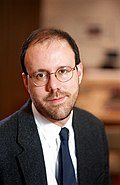
Michael Kremer
United States of America
for their experimental approach to alleviating global poverty
William Nordhaus
United States of America
for integrating climate change into long-run macroeconomic analysis
Paul Romer
United States of America
for integrating technological innovations into long-run macroeconomic analysis
Oliver Hart
United Kingdom of Great Britain and Northern Ireland, United States of America
for their contributions to contract theory
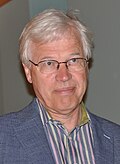
 Finland
Angus Deaton
United States of America, United Kingdom of Great Britain and Northern Ireland
for his analysis of consumption, poverty, and welfare
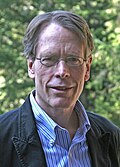
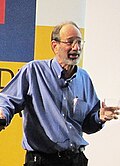
Alvin Roth
United States of America
for the theory of stable allocations and the practice of market design
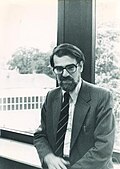
Lloyd Shapley
United States of America
for the theory of stable allocations and the practice of market design
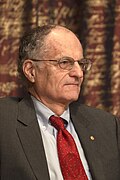
Thomas Sargent
United States of America
for their empirical research on cause and effect in the macroeconomy
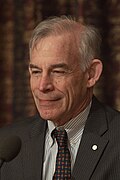
Christopher Sims
United States of America
for their empirical research on cause and effect in the macroeconomy
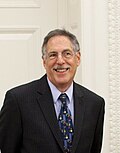
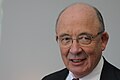
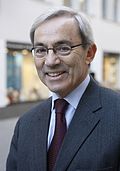
Christopher Pissarides
United Kingdom of Great Britain and Northern Ireland,  Cyprus
for their analysis of markets with search frictions
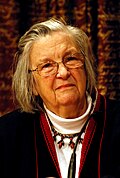
Elinor Ostrom
United States of America
for their analysis of economic governance, especially the commons and the boundaries of the firm
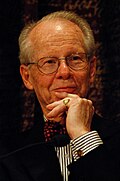
Oliver Williamson
United States of America
for their analysis of economic governance, especially the commons and the boundaries of the firm
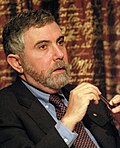
Paul Krugman
United States of America
for his analysis of trade patterns and location of economic activity
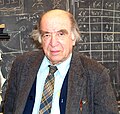
Leonid Hurwicz
United States of America,  Poland
for having laid the foundations of mechanism design theory
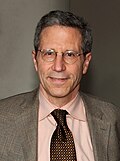
Eric Maskin
United States of America
for having laid the foundations of mechanism design theory
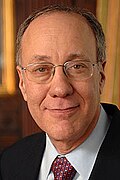
Roger Myerson
United States of America
for having laid the foundations of mechanism design theory
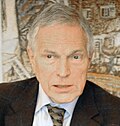
Edmund Phelps
United States of America
for his analysis of intertemporal tradeoffs in macroeconomic policy

Robert Aumann
United States of America, Israel
for having enhanced our understanding of conflict and cooperation through game-theory analysis
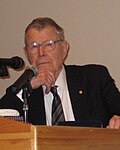
Thomas Schelling
United States of America
for having enhanced our understanding of conflict and cooperation through game-theory analysis
Finn Kydland
 Norway
for their contributions to dynamic macroeconomics: the time consistency of economic policy and the driving forces behind business cycles
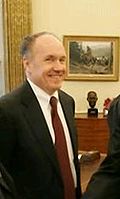
Edward Prescott
United States of America
for their contributions to dynamic macroeconomics: the time consistency of economic policy and the driving forces behind business cycles
Robert F. Engle
United States of America
for the development of statistical methods to analyze economic time series with time-varying volatility (ARCH) and common trends (cointegration)
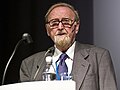
Clive Granger
United Kingdom of Great Britain and Northern Ireland
for the development of statistical methods to analyze economic time series with time-varying volatility (ARCH) and common trends (cointegration)
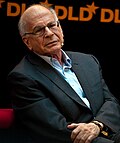
Daniel Kahneman
United States of America, Israel
for pioneering contributions to behavioural economics and experimental economics by integrating psychological insights into economic science and by establishing laboratory experiments as a fundamental tool for studying market mechanisms
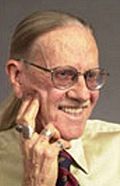
Vernon Smith
United States of America
for pioneering contributions to behavioural economics and experimental economics by integrating psychological insights into economic science and by establishing laboratory experiments as a fundamental tool for studying market mechanisms

George Akerlof
United States of America
for their analyses of markets with asymmetric information
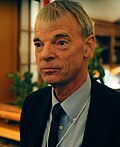
Michael Spence
United States of America
for their analyses of markets with asymmetric information
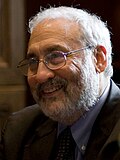
Joseph E. Stiglitz
United States of America
for their analyses of markets with asymmetric information
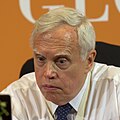
James Heckman
United States of America
for the development of theoretical frameworks and statistical methods that enable the micro-econometric analysis of individual and household consumption behaviour
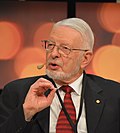
Daniel McFadden
United States of America
for the development of theoretical frameworks and statistical methods that enable the micro-econometric analysis of individual and household consumption behaviour
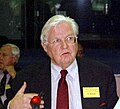
Robert Mundell
Canada
for his analysis of monetary and fiscal policy under different exchange rate regimes and his analysis of optimum currency areas
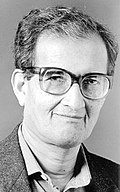
Amartya Sen
 India
India
for his contributions to welfare economics, in particular his research on the theory of inequality of income distribution, poverty, and famine
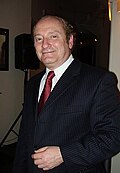
Robert C. Merton
United States of America
for "a new method to determine the value of derivatives", the development and theoretical justification of the Black–Scholes option-pricing model
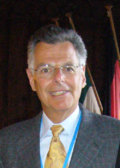
Myron Scholes
Canada
for "a new method to determine the value of derivatives", the development and theoretical justification of the Black–Scholes option-pricing model
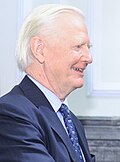
James Mirrlees
United Kingdom of Great Britain and Northern Ireland
for their fundamental contributions to the economic theory of incentives under asymmetric information
William Vickrey
United States of America, Canada
for their fundamental contributions to the economic theory of incentives under asymmetric information
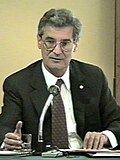
Robert Lucas Jr.
United States of America
for having developed and applied the rational expectations hypothesis, thereby transforming macroeconomic analysis and deepening our understanding of economic policy since the 1970s
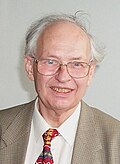
Reinhard Selten
 Germany
for their pioneering analysis of equilibria in the theory of non-cooperative games
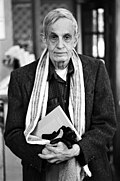
John Nash
United States of America
for their pioneering analysis of equilibria in the theory of non-cooperative games
John Harsanyi
 Hungary
for their pioneering analysis of equilibria in the theory of non-cooperative games
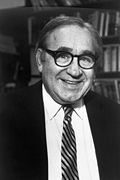
Robert Fogel
United States of America
for having renewed research in economic history by applying economic theory and quantitative methods to explain economic and institutional change
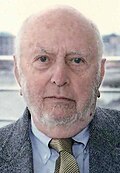
Douglass North
United States of America
for having renewed research in economic history by applying economic theory and quantitative methods to explain economic and institutional change
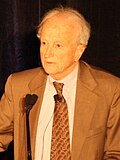
Gary Becker
United States of America
for having extended the domain of microeconomic analysis to a wide range of human behaviour and interaction, including non-market behaviour
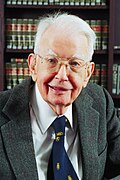
Ronald Coase
United States of America
for his discovery and clarification of the significance of transaction costs and property rights for the institutional structure and functioning of the economy
Harry Markowitz
United States of America
for the development of general theories that increase the safety of asset formation
Merton Miller
United States of America
for the development of general theories that increase the safety of asset formation
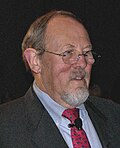
William Sharpe
United States of America
for the development of general theories that increase the safety of asset formation
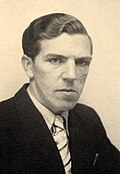
Trygve Haavelmo
Norway
for his clarification of the probability theory foundations of econometrics and his analyses of simultaneous economic structures
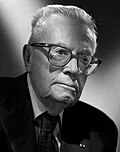
Maurice Allais
 France
for his pioneering contributions to the theory of markets and efficient utilization of resources
James M. Buchanan
United States of America
for his development of the contractual and constitutional bases for the theory of economic and political decision-making
Franco Modigliani
United States of America,  Italy
Italy
for his pioneering analyses of saving and of financial markets
Richard Stone
United Kingdom of Great Britain and Northern Ireland
for having made fundamental contributions to the development of systems of national accounts and hence greatly improved the basis for empirical economic analysis
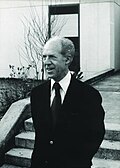
Gérard Debreu
France
for having incorporated new analytical methods into economic theory and for his rigorous reformulation of the theory of general equilibrium
George Stigler
United States of America
for his seminal studies of industrial structures, functioning of markets, and the causes and effects of public regulation
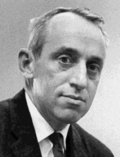
James Tobin
United States of America
for his analysis of financial markets and their relations to expenditure decisions, employment, production and prices
Lawrence Klein
United States of America
for the creation of econometric models and their application to the analysis of economic fluctuations and economic policies
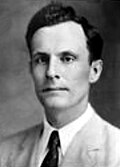
Theodore Schultz
United States of America
for their pioneering research into economic development with particular consideration of the problems of developing countries
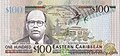
W. Arthur Lewis
United Kingdom of Great Britain and Northern Ireland,  Saint Lucia
for their pioneering research into economic development with particular consideration of the problems of developing countries

Herbert A. Simon
United States of America
for his pioneering research into the decision-making process within economic organizations
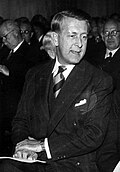
Bertil Ohlin
 Sweden
for their path-breaking contribution to the theory of international trade and international capital movements
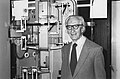
James Meade
United Kingdom of Great Britain and Northern Ireland
for their path-breaking contribution to the theory of international trade and international capital movements
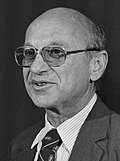
Milton Friedman
United States of America
for his achievements in the fields of consumption analysis, monetary history and theory and for his demonstration of the complexity of stabilization policy
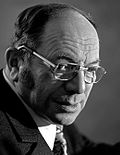
Leonid Kantorovich
 Soviet Union
for their contributions to the theory of optimum allocation of resources
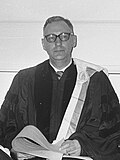
Tjalling Koopmans
Netherlands
for their contributions to the theory of optimum allocation of resources
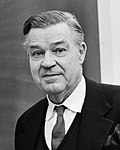
Gunnar Myrdal
Sweden
for their pioneering work in the theory of money and economic fluctuations and for their penetrating analysis of the interdependence of economic, social and institutional phenomena
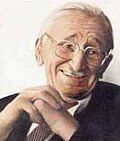
Friedrich Hayek
 Austria
for their pioneering work in the theory of money and economic fluctuations and for their penetrating analysis of the interdependence of economic, social and institutional phenomena
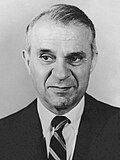
Wassily Leontief
Soviet Union
for the development of the input-output method and for its application to important economic problems
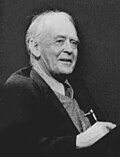
John Hicks
United Kingdom of Great Britain and Northern Ireland
for their pioneering contributions to general economic equilibrium theory and welfare theory
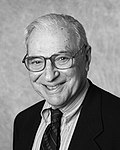
Kenneth Arrow
United States of America
for their pioneering contributions to general economic equilibrium theory and welfare theory
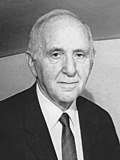
Simon Kuznets
United States of America
for his empirically founded interpretation of economic growth which has led to new and deepened insight into the economic and social structure and process of development
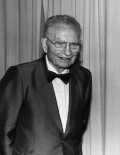
Paul Samuelson
United States of America
for the scientific work through which he has developed static and dynamic economic theory and actively contributed to raising the level of analysis in economic science
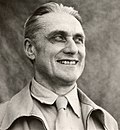
Ragnar Frisch
Norway
for having developed and applied dynamic models for the analysis of economic processes
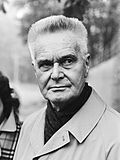
Jan Tinbergen
Netherlands
for having developed and applied dynamic models for the analysis of economic processes