Nobel Prize in Physics
Established by the will of Alfred Nobel in 1895 and first awarded in 1901, the Nobel Prize in Physics is one of the original five Nobel Prizes. The Royal Swedish Academy of Sciences confidentially selects laureates from nominations and announces the winners each October. Up to three individuals may share the Prize. Laureates receive a gold medal, a diploma, and a monetary award. The award ceremony takes place annually on December 10 in Stockholm. The medal features Alfred Nobel’s portrait on the obverse and a depiction of the goddess of Science lifting the veil of Nature on the reverse.
227
Laureates
1901~
First awarded
Royal Swedish Academy of Sciences
Presented by
All Laureates
← Back to prize information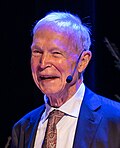
John Hopfield
 United States of America
for foundational discoveries and inventions that enable machine learning with artificial neural networks
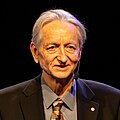
Geoffrey Hinton
 United Kingdom of Great Britain and Northern Ireland
for foundational discoveries and inventions that enable machine learning with artificial neural networks
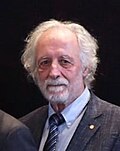
Pierre Agostini
United States of America
(France)
for experimental methods that generate attosecond pulses of light for the study of electron dynamics in matter
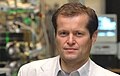
Ferenc Krausz
 Austria
(Hungary)
Austria
(Hungary)
for experimental methods that generate attosecond pulses of light for the study of electron dynamics in matter
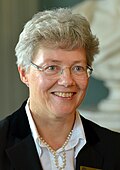
Anne L'Huillier
 Sweden
(France)
Sweden
(France)
for experimental methods that generate attosecond pulses of light for the study of electron dynamics in matter
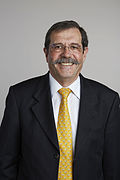
Alain Aspect
 France
for experiments with entangled photons, establishing the violation of Bell inequalities and pioneering quantum information science
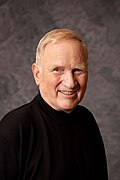
John F. Clauser
United States of America
for experiments with entangled photons, establishing the violation of Bell inequalities and pioneering quantum information science
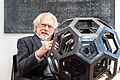
Anton Zeilinger
Austria
for experiments with entangled photons, establishing the violation of Bell inequalities and pioneering quantum information science
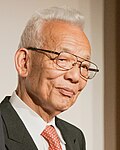
Syukuro Manabe
United States of America
(Japan)
for the physical modelling of Earth’s climate, quantifying variability and reliably predicting global warming
Klaus Hasselmann
 Germany
for the physical modelling of Earth’s climate, quantifying variability and reliably predicting global warming
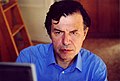
Giorgio Parisi
 Italy
Italy
for the discovery of the interplay of disorder and fluctuations in physical systems from atomic to planetary scales
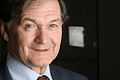
Roger Penrose
United Kingdom of Great Britain and Northern Ireland
for the discovery that black hole formation is a robust prediction of the general theory of relativity
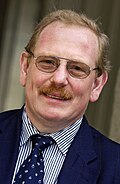
Reinhard Genzel
Germany
for the discovery of a supermassive compact object at the centre of our galaxy
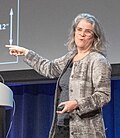
Andrea M. Ghez
United States of America
for the discovery of a supermassive compact object at the centre of our galaxy
Jim Peebles
United States of America
(Canada)
for theoretical discoveries in physical cosmology
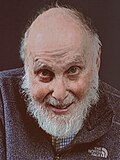
Arthur Ashkin
United States of America
for the development of optical tweezers and their application to biological systems
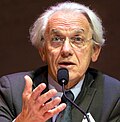
Gérard Mourou
France
for the development of a method for generating high-intensity, ultra-short laser pulses
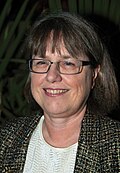
Donna Strickland
 Canada
for the development of a method for generating high-intensity, ultra-short laser pulses
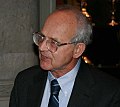
Rainer Weiss
United States of America
(Germany)
for decisive contributions to the LIGO detector and the observation of gravitational waves
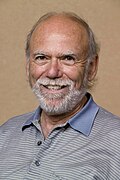
Barry Barish
United States of America
for decisive contributions to the LIGO detector and the observation of gravitational waves
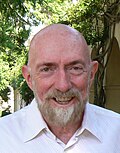
Kip Thorne
United States of America
for decisive contributions to the LIGO detector and the observation of gravitational waves
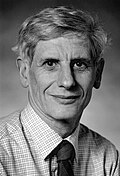
David J. Thouless
United Kingdom of Great Britain and Northern Ireland, United States of America
for theoretical discoveries of topological phase transitions and topological phases of matter
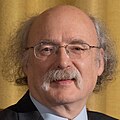
Duncan Haldane
United Kingdom of Great Britain and Northern Ireland,  Slovenia
for theoretical discoveries of topological phase transitions and topological phases of matter
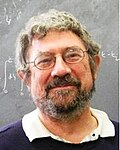
Michael Kosterlitz
United Kingdom of Great Britain and Northern Ireland, United States of America
for theoretical discoveries of topological phase transitions and topological phases of matter
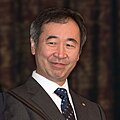
Takaaki Kajita
 Japan
Japan
for the discovery of neutrino oscillations, which shows that neutrinos have mass (Nucl. Phys. B-Proc. Suppl. 77 (1999) 123 〈Kajita〉, 43 〈McDonald〉)
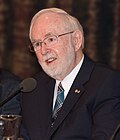
Arthur B. McDonald
Canada
for the discovery of neutrino oscillations, which shows that neutrinos have mass (Nucl. Phys. B-Proc. Suppl. 77 (1999) 123 〈Kajita〉, 43 〈McDonald〉)
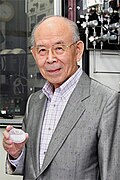
Isamu Akasaki
Japan
for the invention of efficient blue light-emitting diodes which have enabled bright and energy-saving white light sources
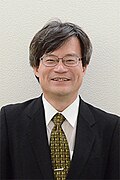
Hiroshi Amano
Japan
for the invention of efficient blue light-emitting diodes which have enabled bright and energy-saving white light sources
Shuji Nakamura
United States of America
(Japan)
for the invention of efficient blue light-emitting diodes which have enabled bright and energy-saving white light sources
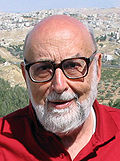
François Englert
 Belgium
For the theoretical discovery of the Brout–Englert–Higgs mechanism, proposed in 1964, which explains how elementary particles acquire mass and was later confirmed by the observation of the Higgs boson by the ATLAS and CMS experiments at CERN’s Large Hadron Collider. The award cites the seminal papers Phys. Rev. Lett. 13 (1964) 321 (Englert & Brout), Phys. Rev. Lett. 13 (1964) 508 (Higgs), and Phys. Rev. 145 (1966) 1156 (Higgs).
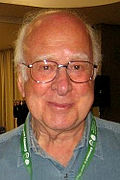
Peter Higgs
United Kingdom of Great Britain and Northern Ireland
For the theoretical discovery of the Brout–Englert–Higgs mechanism, proposed in 1964, which explains how elementary particles acquire mass and was later confirmed by the observation of the Higgs boson by the ATLAS and CMS experiments at CERN’s Large Hadron Collider. The award cites the seminal papers Phys. Rev. Lett. 13 (1964) 321 (Englert & Brout), Phys. Rev. Lett. 13 (1964) 508 (Higgs), and Phys. Rev. 145 (1966) 1156 (Higgs).
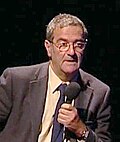
Serge Haroche
France
(Morocco)
for ground-breaking experimental methods that enable measuring and manipulation of individual quantum systems
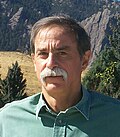
David J. Wineland
United States of America
for ground-breaking experimental methods that enable measuring and manipulation of individual quantum systems
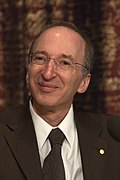
Saul Perlmutter
United States of America
for the discovery of the accelerating expansion of the Universe through observations of distant supernovae (Astrophys. J.: 517 (1999) 565-586; Astrophys. J.: 507 (1998) 46-63; Astron. J.: 116 (1998) 1009-1038)
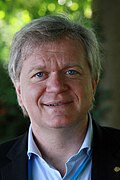
Brian Schmidt
 Australia, United States of America
for the discovery of the accelerating expansion of the Universe through observations of distant supernovae (Astrophys. J.: 517 (1999) 565-586; Astrophys. J.: 507 (1998) 46-63; Astron. J.: 116 (1998) 1009-1038)
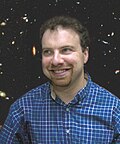
Adam Riess
United States of America
for the discovery of the accelerating expansion of the Universe through observations of distant supernovae (Astrophys. J.: 517 (1999) 565-586; Astrophys. J.: 507 (1998) 46-63; Astron. J.: 116 (1998) 1009-1038)
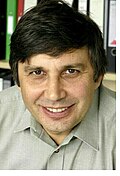
Andre Geim
 Netherlands
(Russian Federation)
Netherlands
(Russian Federation)
for groundbreaking experiments regarding the two-dimensional material graphene
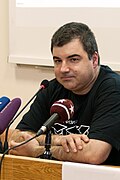
Konstantin Novoselov
 Russian Federation, United Kingdom of Great Britain and Northern Ireland
for groundbreaking experiments regarding the two-dimensional material graphene
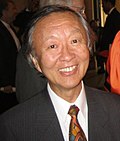
Charles K. Kao
United Kingdom of Great Britain and Northern Ireland, United States of America
(Taiwan, Province of China)
for groundbreaking achievements concerning the transmission of light in fibers for optical communication
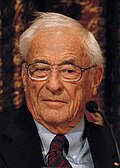
Willard Boyle
United States of America, Canada
for the invention of an imaging semiconductor circuit – the CCD sensor
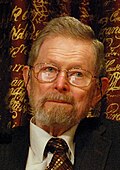
George E. Smith
United States of America
for the invention of an imaging semiconductor circuit – the CCD sensor
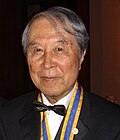
Yoichiro Nambu
United States of America
(Japan)
for the discovery of the mechanism of spontaneous broken symmetry in subatomic physics (Phys. Rev. 117 (1960) 648; Phys. Rev. 122 (1961) 345-358; Phys. Rev. 124 (1961) 246-254)
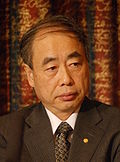
Makoto Kobayashi
Japan
for the discovery of the origin of the broken symmetry which predicts the existence of at least three families of quarks in nature (Progress of Theoretical Physics 49 (1973) 652-657)
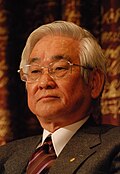
Toshihide Maskawa
Japan
for the discovery of the origin of the broken symmetry which predicts the existence of at least three families of quarks in nature (Progress of Theoretical Physics 49 (1973) 652-657)
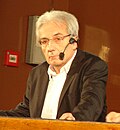
Albert Fert
France
Discovery of Giant Magnetoresistance (GMR). Key papers: M.N. Baibich et al., Phys. Rev. Lett. 61 (1988) 2472–2475 (Fert group) and G. Binasch et al., Phys. Rev. B 39 (1989) 4828–4830 (Grünberg group).
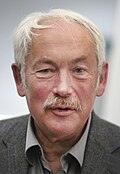
Peter Grünberg
Germany
Discovery of Giant Magnetoresistance (GMR). Key papers: M.N. Baibich et al., Phys. Rev. Lett. 61 (1988) 2472–2475 (Fert group) and G. Binasch et al., Phys. Rev. B 39 (1989) 4828–4830 (Grünberg group).
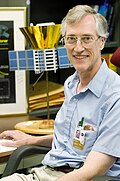
John C. Mather
United States of America
for the discovery of the black-body form and anisotropy of the cosmic microwave background radiation (Astrophys. J. 420 (1994) 439-444; Astrophys. J. 464 (1996) L1-L4)
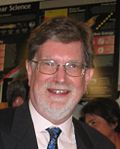
George F. Smoot
United States of America
for the discovery of the black-body form and anisotropy of the cosmic microwave background radiation (Astrophys. J. 420 (1994) 439-444; Astrophys. J. 464 (1996) L1-L4)
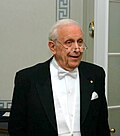
Roy J. Glauber
United States of America
For his contribution to the quantum theory of optical coherence. In a series of papers, including Phys. Rev. Lett. 10 (1963) 84-86, Phys. Rev. 130 (1963) 2529-2539, and Phys. Rev. 131 (1963) 2766-2788, he created a consistent framework that treats light as both particles and waves.
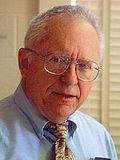
John L. Hall
United States of America
For their contributions to the development of laser-based precision spectroscopy, including the optical frequency comb technique. Through papers such as Science 288 (2000) 635-639, Rev. Sci. Instrum. 72 (2001) 3749-3771, and Phys. Rev. Lett. 87 (2001) 270801, they connected optical frequencies across the visible and infrared ranges to absolute references.
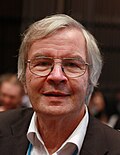
Theodor W. Hänsch
Germany
For their contributions to the development of laser-based precision spectroscopy, including the optical frequency comb technique. Through papers such as Science 288 (2000) 635-639, Rev. Sci. Instrum. 72 (2001) 3749-3771, and Phys. Rev. Lett. 87 (2001) 270801, they connected optical frequencies across the visible and infrared ranges to absolute references.
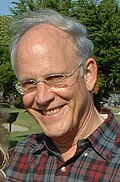
David J. Gross
United States of America
for the theoretical discovery of asymptotic freedom in the theory of the strong interaction, as reported in a series of papers (Phys. Rev. Lett. 30 (1973) 1343–1346; Phys. Rev. D 8 (1973) 3633–3652; Phys. Rev. D 9 (1974) 980–993; Phys. Rev. Lett. 30 (1973) 1346–1349; Phys. Rep. 14 (1974) 129–180).
H. David Politzer
United States of America
for the theoretical discovery of asymptotic freedom in the theory of the strong interaction, as reported in a series of papers (Phys. Rev. Lett. 30 (1973) 1343–1346; Phys. Rev. D 8 (1973) 3633–3652; Phys. Rev. D 9 (1974) 980–993; Phys. Rev. Lett. 30 (1973) 1346–1349; Phys. Rep. 14 (1974) 129–180).
Frank Wilczek
United States of America
for the theoretical discovery of asymptotic freedom in the theory of the strong interaction, as reported in a series of papers (Phys. Rev. Lett. 30 (1973) 1343–1346; Phys. Rev. D 8 (1973) 3633–3652; Phys. Rev. D 9 (1974) 980–993; Phys. Rev. Lett. 30 (1973) 1346–1349; Phys. Rep. 14 (1974) 129–180).
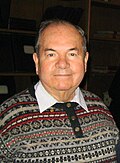
Alexei A. Abrikosov
United States of America, Russian Federation
for pioneering contributions to the theory of superconductors and superfluids (Sov. Phys. JETP 5 (1957) 1174–1182; Zh. Eksp. Teor. Fiz. 32 (1957) 1442–1452; Zh. Eksp. Teor. Fiz. 20 (1950) 1064–1082; Phys. Rev. 140 (1965) A1869–A1888; Phys. Rev. 147 (1966) 119–130; Phys. Rev. Lett. 29 (1972) 1227–1230; Phys. Rev. Lett. 31 (1973) 352–355; Rev. Mod. Phys. 47 (1975) 331–414; Phys. Rev. Lett. 46 (1981) 211–214)
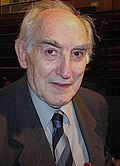
Vitaly L. Ginzburg
Russian Federation
for pioneering contributions to the theory of superconductors and superfluids (Sov. Phys. JETP 5 (1957) 1174–1182; Zh. Eksp. Teor. Fiz. 32 (1957) 1442–1452; Zh. Eksp. Teor. Fiz. 20 (1950) 1064–1082; Phys. Rev. 140 (1965) A1869–A1888; Phys. Rev. 147 (1966) 119–130; Phys. Rev. Lett. 29 (1972) 1227–1230; Phys. Rev. Lett. 31 (1973) 352–355; Rev. Mod. Phys. 47 (1975) 331–414; Phys. Rev. Lett. 46 (1981) 211–214)
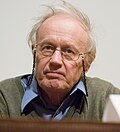
Anthony J. Leggett
United Kingdom of Great Britain and Northern Ireland, United States of America
for pioneering contributions to the theory of superconductors and superfluids (Sov. Phys. JETP 5 (1957) 1174–1182; Zh. Eksp. Teor. Fiz. 32 (1957) 1442–1452; Zh. Eksp. Teor. Fiz. 20 (1950) 1064–1082; Phys. Rev. 140 (1965) A1869–A1888; Phys. Rev. 147 (1966) 119–130; Phys. Rev. Lett. 29 (1972) 1227–1230; Phys. Rev. Lett. 31 (1973) 352–355; Rev. Mod. Phys. 47 (1975) 331–414; Phys. Rev. Lett. 46 (1981) 211–214)
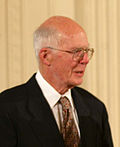
Raymond Davis Jr.
United States of America
for pioneering contributions to astrophysics, in particular for the detection of cosmic neutrinos
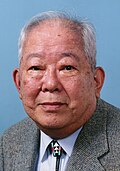
Masatoshi Koshiba
Japan
for pioneering contributions to astrophysics, in particular for the detection of cosmic neutrinos

Riccardo Giacconi
United States of America
for pioneering contributions to astrophysics, which led to the discovery of cosmic X-ray sources
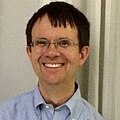
Eric A. Cornell
United States of America
for the achievement of Bose–Einstein condensation in dilute gases of alkali atoms and for early fundamental studies of the properties of the condensates (Science 269, 198–201, 1995; Phys. Rev. Lett. 77, 420–423, 1996; Phys. Rev. Lett. 75, 3969–3973, 1995).
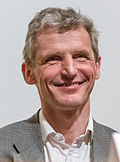
Wolfgang Ketterle
Germany
for the achievement of Bose–Einstein condensation in dilute gases of alkali atoms and for early fundamental studies of the properties of the condensates (Science 269, 198–201, 1995; Phys. Rev. Lett. 77, 420–423, 1996; Phys. Rev. Lett. 75, 3969–3973, 1995).
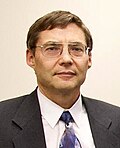
Carl E. Wieman
United States of America
for the achievement of Bose–Einstein condensation in dilute gases of alkali atoms and for early fundamental studies of the properties of the condensates (Science 269, 198–201, 1995; Phys. Rev. Lett. 77, 420–423, 1996; Phys. Rev. Lett. 75, 3969–3973, 1995).
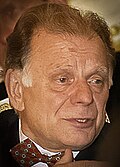
Zhores I. Alferov
Russian Federation
for basic work on information and communication technology (for developing semiconductor heterostructures used in high-speed and opto-electronics)
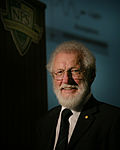
Herbert Kroemer
Germany
for basic work on information and communication technology (for developing semiconductor heterostructures used in high-speed and opto-electronics)
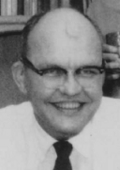
Jack S. Kilby
United States of America
for basic work on information and communication technology (for his part in the invention of the integrated circuit)
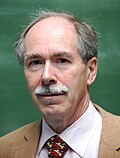
Gerardus 't Hooft
Netherlands
for elucidating the quantum structure of electroweak interactions in physics (Nucl. Phys. B7 (1968) 637-650, B33 (1971) 173-199, B35 (1971) 167-188, B44 (1972) 189-213, B50 (1972) 318-353)
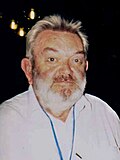
Martinus J. G. Veltman
Netherlands
for elucidating the quantum structure of electroweak interactions in physics (Nucl. Phys. B7 (1968) 637-650, B33 (1971) 173-199, B35 (1971) 167-188, B44 (1972) 189-213, B50 (1972) 318-353)
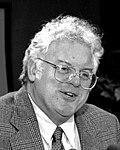
Robert B. Laughlin
United States of America
for the discovery of a new form of quantum fluid with fractionally charged excitations
Horst L. Störmer
Germany
for the discovery of a new form of quantum fluid with fractionally charged excitations

Daniel C. Tsui
United States of America
(Taiwan, Province of China)
for the discovery of a new form of quantum fluid with fractionally charged excitations
Steven Chu
United States of America
for the development of methods to cool and trap atoms with laser light
Claude Cohen-Tannoudji
France
(Algeria)
for the development of methods to cool and trap atoms with laser light
William D. Phillips
United States of America
for the development of methods to cool and trap atoms with laser light
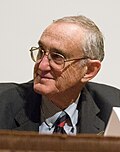
David M. Lee
United States of America
for their discovery of superfluidity in helium-3 (Phys. Rev. Lett. 28, 885–888 (1972); Phys. Rev. Lett. 29, 920–923 (1972); Phys. Rev. A 8, 1633–1637 (1973))
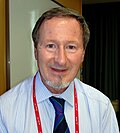
Douglas D. Osheroff
United States of America
for their discovery of superfluidity in helium-3 (Phys. Rev. Lett. 28, 885–888 (1972); Phys. Rev. Lett. 29, 920–923 (1972); Phys. Rev. A 8, 1633–1637 (1973))
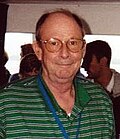
Robert C. Richardson
United States of America
for their discovery of superfluidity in helium-3 (Phys. Rev. Lett. 28, 885–888 (1972); Phys. Rev. Lett. 29, 920–923 (1972); Phys. Rev. A 8, 1633–1637 (1973))
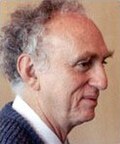
Martin L. Perl
United States of America
Pioneering experimental contributions to lepton physics (discovery of the tau lepton) Phys. Rev. Lett. 35 (1975) 1489–1492, Phys. Lett. B 63 (1976) 466–470
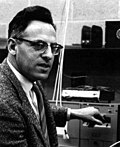
Frederick Reines
United States of America
Pioneering experimental contributions to lepton physics (detection of the neutrino) Science 124 (1956) 103–104
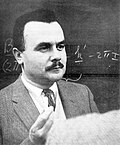
Bertram N. Brockhouse
Canada
for pioneering contributions to the development of neutron scattering techniques for studies of condensed matter (development of neutron spectroscopy) Phys. Rev. 111(1958) 747-754; Rev. Mod. Phys. 30(1958) 236-249 (erratum 30(1958) 1177); Phys. Rev. Lett. 2(1959) 256-258; Phys. Rev. 119(1960) 980-999
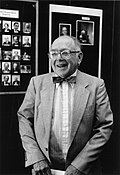
Clifford G. Shull
United States of America
for pioneering contributions to the development of neutron scattering techniques for studies of condensed matter (development of the neutron diffraction technique) Phys. Rev. 76(1949) 1256-1257; Phys. Rev. 81(1951) 527-535; Phys. Rev. 83(1951) 333-345; Rev. Mod. Phys. 25(1953) 100-107; Phys. Rev. 97(1955) 304-310
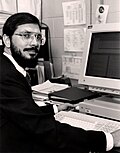
Russell A. Hulse
United States of America
for the discovery of a new type of pulsar, a discovery that has opened up new possibilities for the study of gravitation (Astrophys. J. Lett. 195 (1975) L51-L53; Astrophys. J. Lett. 206 (1976) L53-L58; Astrophys. J. 253 (1982) 908-920; Philos. Trans. R. Soc. Lond. A 341 (1992) 117-134; Phys. Rev. D 45 (1992) 1840-1868)
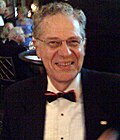
Joseph Hooton Taylor, Jr.
United States of America
for the discovery of a new type of pulsar, a discovery that has opened up new possibilities for the study of gravitation (Astrophys. J. Lett. 195 (1975) L51-L53; Astrophys. J. Lett. 206 (1976) L53-L58; Astrophys. J. 253 (1982) 908-920; Philos. Trans. R. Soc. Lond. A 341 (1992) 117-134; Phys. Rev. D 45 (1992) 1840-1868)
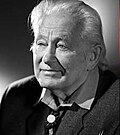
Georges Charpak
France
(Poland)
for his invention and development of particle detectors, in particular the multiwire proportional chamber
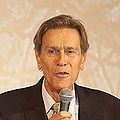
Pierre-Gilles de Gennes
France
for discovering that methods developed for studying order phenomena in simple systems can be generalized to more complex forms of matter, in particular to liquid crystals and polymers
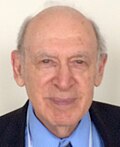
Jerome I. Friedman
United States of America
for their pioneering investigations concerning deep inelastic scattering of electrons on protons and bound neutrons, which have been of essential importance for the development of the quark model in particle physics
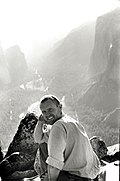
Henry W. Kendall
United States of America
for their pioneering investigations concerning deep inelastic scattering of electrons on protons and bound neutrons, which have been of essential importance for the development of the quark model in particle physics
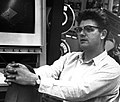
Richard E. Taylor
Canada
for their pioneering investigations concerning deep inelastic scattering of electrons on protons and bound neutrons, which have been of essential importance for the development of the quark model in particle physics
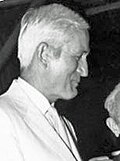
Norman F. Ramsey
United States of America
for the invention of the separated oscillatory fields method and its application to the hydrogen maser and other atomic clocks (Phys. Rev. 76 (1949) 996; 78 (1950) 695–703; 126 (1962) 603–615, etc.)
Hans G. Dehmelt
United States of America
(German Reich)
for the development of the ion trap technique (Phys. Rev. Lett. 41 (1978) 233-236; Phys. Rev. A 22 (1980) 1137-1140, etc.)
Wolfgang Paul
 West Germany
for the development of the ion trap technique (Phys. Rev. Lett. 41 (1978) 233-236; Phys. Rev. A 22 (1980) 1137-1140, etc.)
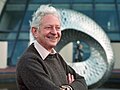
Leon M. Lederman
United States of America
for the neutrino beam method and the demonstration of the doublet structure of the leptons through the discovery of the muon neutrino
Melvin Schwartz
United States of America
for the neutrino beam method and the demonstration of the doublet structure of the leptons through the discovery of the muon neutrino
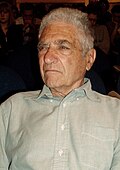
Jack Steinberger
United States of America
(German Reich)
for the neutrino beam method and the demonstration of the doublet structure of the leptons through the discovery of the muon neutrino
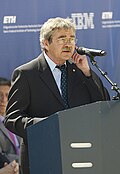
J. Georg Bednorz
West Germany
for their important breakthrough in the discovery of superconductivity in ceramic materials (Zeitschrift für Physik B 64 (1986) 189–193, Bednorz & Müller)
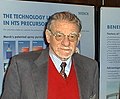
Karl Alexander Müller
 Switzerland
for their important breakthrough in the discovery of superconductivity in ceramic materials (Zeitschrift für Physik B 64 (1986) 189–193, Bednorz & Müller)
Ernst Ruska
West Germany
for his fundamental work in electron optics, particularly for the design of the first electron microscope
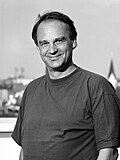
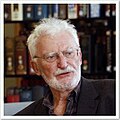
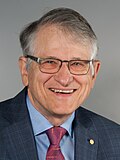
Klaus von Klitzing
West Germany
for the discovery of the quantized Hall effect (Phys. Rev. Lett. 45, 494–497, 1980; Metrologia 21, 11–19, 1985)
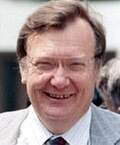
Carlo Rubbia
Italy
for their decisive contributions to the large project that led to the discovery of the W and Z particles, mediators of the weak interaction
Simon van der Meer
Netherlands
for their decisive contributions to the large project that led to the discovery of the W and Z particles, mediators of the weak interaction
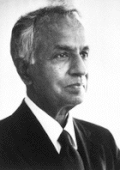
Subrahmanyan Chandrasekhar
United States of America
(India)
for his theoretical studies of the physical processes of importance to the structure and evolution of the stars (Philos. Mag. 11 (1931) 592; Astrophys. J. 74 (1931) 81; Astrophys. J. 96 (1942) 161)
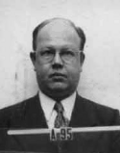
William Alfred Fowler
United States of America
for his theoretical and experimental studies of the nuclear reactions of importance in the formation of the chemical elements in the universe (Rev. Mod. Phys. 29 (1957) 547-650)
Kenneth G. Wilson
United States of America
for his theory for critical phenomena in connection with phase transitions (Phys. Rev. B 4, 3174-3183 (1971); Phys. Rev. B 4, 3184-3205 (1971); Phys. Rev. Lett. 28, 240-243 (1972); Phys. Rev. Lett. 28, 548-551 (1972); Phys. Rep. 12, 75-199 (1974); Rev. Mod. Phys. 47, 773-840 (1975))
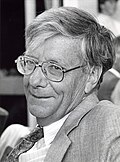
Nicolaas Bloembergen
United States of America
(Netherlands)
for their contribution to the development of laser spectroscopy (Phys. Rev. 104 (1956) 324-327, Phys. Rev. 127 (1962) 1918-1939)
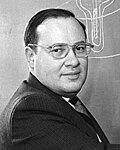
Arthur Leonard Schawlow
United States of America
for their contribution to the development of laser spectroscopy (Phys. Rev. 104 (1956) 324-327, Phys. Rev. 127 (1962) 1918-1939)

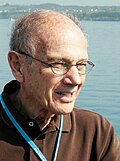
James Cronin
United States of America
for the discovery of violations of fundamental symmetry principles in the decay of neutral K-mesons
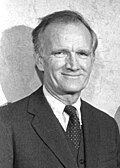
Val Logsdon Fitch
United States of America
for the discovery of violations of fundamental symmetry principles in the decay of neutral K-mesons
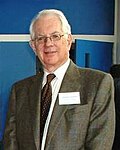
Sheldon Lee Glashow
United States of America
for their contributions to the theory of the unified weak and electromagnetic interaction between elementary particles, in particular the prediction of the weak neutral current
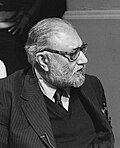
Abdus Salam
 Pakistan
for their contributions to the theory of the unified weak and electromagnetic interaction between elementary particles, in particular the prediction of the weak neutral current
Steven Weinberg
United States of America
for their contributions to the theory of the unified weak and electromagnetic interaction between elementary particles, in particular the prediction of the weak neutral current
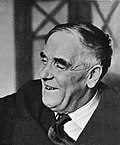
Pyotr Leonidovich Kapitsa
 Soviet Union
for his basic inventions and discoveries in the area of low-temperature physics
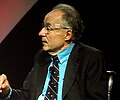
Arno Allan Penzias
United States of America
(German Reich)
for their discovery of cosmic microwave background radiation (Astrophys. J. 142 (1965) 419)
Robert Woodrow Wilson
United States of America
for their discovery of cosmic microwave background radiation (Astrophys. J. 142 (1965) 419)
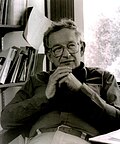
Philip Warren Anderson
United States of America
for their fundamental theoretical investigations of the electronic structure of magnetic and disordered systems
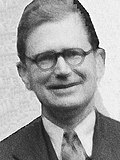
Sir Nevill Francis Mott
United Kingdom of Great Britain and Northern Ireland
for their fundamental theoretical investigations of the electronic structure of magnetic and disordered systems
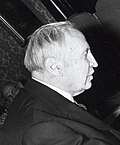
John Hasbrouck Van Vleck
United States of America
for their fundamental theoretical investigations of the electronic structure of magnetic and disordered systems
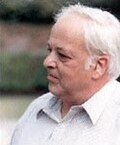
Burton Richter
United States of America
for their pioneering work leading to the discovery of a new, heavy elementary particle, the J/ψ meson (Phys. Rev. Lett. 33 (1974) 1404-1406, 1406-1408, 1408-1410 and related papers; early hint in Phys. Rev. Lett. 25 (1970) 1523-1526).
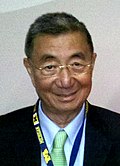
Samuel Chao Chung Ting
United States of America
for their pioneering work leading to the discovery of a new, heavy elementary particle, the J/ψ meson (Phys. Rev. Lett. 33 (1974) 1404-1406, 1406-1408, 1408-1410 and related papers; early hint in Phys. Rev. Lett. 25 (1970) 1523-1526).
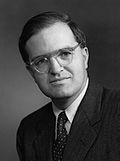
Aage Niels Bohr
 Denmark
for the discovery of the connection between collective motion and particle motion in atomic nuclei and the development of the theory of the structure of the atomic nucleus based on this connection
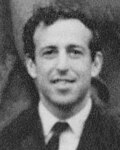
Ben Roy Mottelson
Denmark
(United States of America)
for the discovery of the connection between collective motion and particle motion in atomic nuclei and the development of the theory of the structure of the atomic nucleus based on this connection

Leo James Rainwater
United States of America
for the discovery of the connection between collective motion and particle motion in atomic nuclei and the development of the theory of the structure of the atomic nucleus based on this connection
Sir Martin Ryle
United Kingdom of Great Britain and Northern Ireland
for his pioneering research in radio astrophysics, especially his observations and inventions related to the aperture-synthesis technique
Antony Hewish
United Kingdom of Great Britain and Northern Ireland
for his pioneering research in radio astrophysics, particularly for his decisive role in the discovery of pulsars
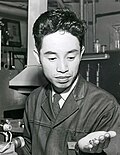
Leo Esaki
Japan
for their experimental discoveries regarding tunneling phenomena in semiconductors and in superconductors, respectively (Phys. Rev. Lett. 5 (1960) 147-148; 464-466)
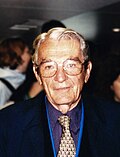
Ivar Giaever
United States of America
(Norway)
for their experimental discoveries regarding tunneling phenomena in semiconductors and in superconductors, respectively (Phys. Rev. Lett. 5 (1960) 147-148; 464-466)
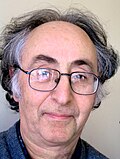
Brian David Josephson
United Kingdom of Great Britain and Northern Ireland
for his theoretical predictions of the properties of a supercurrent through a tunnel junction, in particular those phenomena known as the Josephson effects (Phys. Lett. 1 (1962) 251-253; Adv. Phys. 14 (1965) 419)
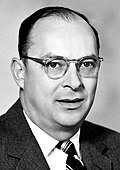
John Bardeen
United States of America
for their jointly developed theory of superconductivity, usually called the BCS theory (Phys. Rev. 108, 1175-1204, 1957)
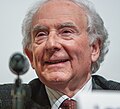
Leon Neil Cooper
United States of America
for their jointly developed theory of superconductivity, usually called the BCS theory (Phys. Rev. 108, 1175-1204, 1957)
John Robert Schrieffer
United States of America
for their jointly developed theory of superconductivity, usually called the BCS theory (Phys. Rev. 108, 1175-1204, 1957)
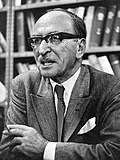
Dennis Gabor
United Kingdom of Great Britain and Northern Ireland
(Kingdom of Hungary)
for his invention and development of the holographic method (Nature 161 (1948) 777–779, Proc. Roy. Soc. A 197 (1949) 454, Proc. Phys. Soc. B 64 (1951) 449)
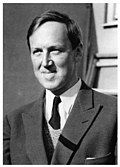
Hannes Olof Gösta Alfvén
Sweden
for fundamental work and discoveries in magnetohydro-dynamics with fruitful applications in different parts of plasma physics
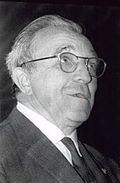
Louis Eugène Félix Néel
France
for fundamental work and discoveries concerning antiferromagnetism and ferrimagnetism which have led to important applications in solid state physics
Murray Gell-Mann
United States of America
for his contributions and discoveries concerning the classification of elementary particles and their interactions (Phys. Rev. 92 (1953) 833-834, Phys. Rev. 125 (1962) 1067-1084, Phys. Lett. 8 (1964) 214-215)
Luis Walter Alvarez
United States of America
for his decisive contributions to elementary particle physics, in particular the discovery of a large number of resonance states made possible through his development of the technique of using hydrogen bubble chamber and data analysis
Hans Albrecht Bethe
United States of America
for his contributions to the theory of nuclear reactions, especially his discoveries concerning the energy production in stars
Alfred Kastler
France
for the discovery and development of optical methods for studying Hertzian resonances in atoms
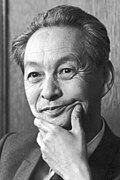
Shin-ichiro Tomonaga
Japan
for their fundamental work in quantum electrodynamics, with deep-ploughing consequences for the physics of elementary particles
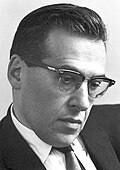
Julian Schwinger
United States of America
for their fundamental work in quantum electrodynamics, with deep-ploughing consequences for the physics of elementary particles
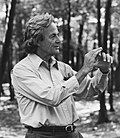
Richard P. Feynman
United States of America
for their fundamental work in quantum electrodynamics, with deep-ploughing consequences for the physics of elementary particles
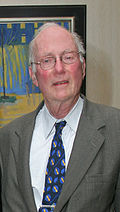
Charles Hard Townes
United States of America
for fundamental work in the field of quantum electronics, which has led to the construction of oscillators and amplifiers based on the maser-laser principle
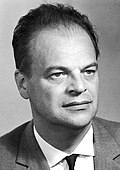
Nikolay Gennadiyevich Basov
Soviet Union
for fundamental work in the field of quantum electronics, which has led to the construction of oscillators and amplifiers based on the maser-laser principle
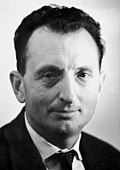
Aleksandr Mikhailovich Prokhorov
Soviet Union
for fundamental work in the field of quantum electronics, which has led to the construction of oscillators and amplifiers based on the maser-laser principle
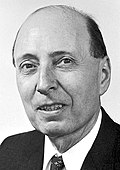
Eugene Paul Wigner
United States of America
(Kingdom of Hungary)
for his contributions to the theory of the atomic nucleus and the elementary particles, particularly through the discovery and application of fundamental symmetry principles
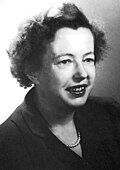
Maria Goeppert-Mayer
United States of America
for their discoveries concerning nuclear shell structure
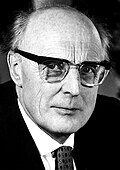
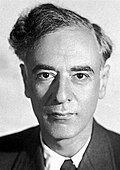
Lev Davidovich Landau
Soviet Union
for his pioneering theories for condensed matter, especially liquid helium
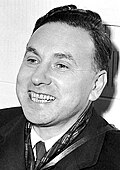
Robert Hofstadter
United States of America
for his pioneering studies of electron scattering in atomic nuclei and the resulting discoveries concerning the structure of the nucleons (Phys. Rev. Lett. 5 (1960) 263–265; Phys. Rev. Lett. 6 (1961) 293–296)
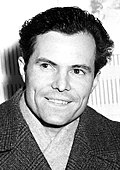
Rudolf Ludwig Mössbauer
West Germany
for his researches concerning the resonance absorption of gamma radiation and his discovery in this connection of the effect which bears his name (the Mössbauer effect)
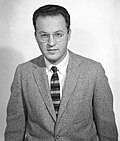
Donald Arthur Glaser
United States of America
for the invention of the bubble chamber, Phys. Rev. 87 (1952) 665-665
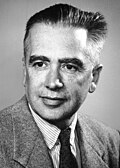
Emilio Gino Segrè
United States of America
for the discovery of the antiproton (Phys. Rev. 100 (1955) 947-950)
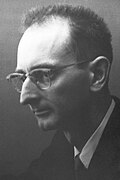
Owen Chamberlain
United States of America
for the discovery of the antiproton (Phys. Rev. 100 (1955) 947-950)
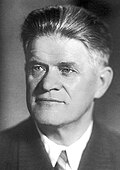
Pavel Alekseyevich Cherenkov
Soviet Union
for the discovery and the interpretation of the Cherenkov effect (C.R. Acad. Sci. USSR: 2 (1934) 451; 14 (1937) 107)
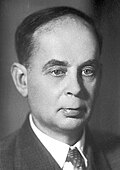
Ilya Mikhailovich Frank
Soviet Union
for the discovery and the interpretation of the Cherenkov effect (C.R. Acad. Sci. USSR: 2 (1934) 451; 14 (1937) 107)
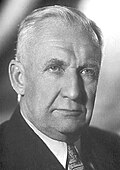
Igor Yevgenyevich Tamm
Soviet Union
for the discovery and the interpretation of the Cherenkov effect (C.R. Acad. Sci. USSR: 2 (1934) 451; 14 (1937) 107)
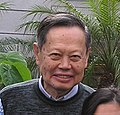
Chen Ning Yang
United States of America
(Taiwan, Province of China)
for their penetrating investigation of the so-called parity laws, which led to important discoveries regarding elementary particles (Phys. Rev. 104 (1956) 254-258; Phys. Rev. 106 (1957) 340-345; Phys. Rev. 105 (1957) 1413-1417)
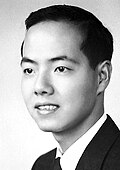
Tsung-Dao Lee
United States of America
(Taiwan, Province of China)
for their penetrating investigation of the so-called parity laws, which led to important discoveries regarding elementary particles (Phys. Rev. 104 (1956) 254-258; Phys. Rev. 106 (1957) 340-345; Phys. Rev. 105 (1957) 1413-1417)
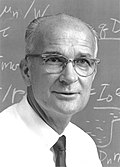
William Bradford Shockley
United States of America
for their researches on semiconductors and their discovery of the transistor effect
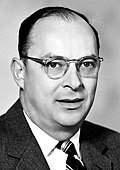
John Bardeen
United States of America
for their researches on semiconductors and their discovery of the transistor effect
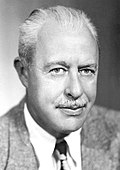
Walter Houser Brattain
United States of America
for their researches on semiconductors and their discovery of the transistor effect
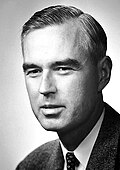
Willis Eugene Lamb
United States of America
for his discoveries concerning the fine structure of the hydrogen spectrum
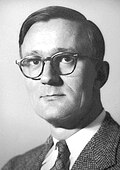
Polykarp Kusch
United States of America
for his precision determination of the magnetic moment of the electron
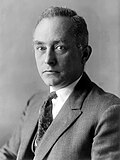
Max Born
United Kingdom of Great Britain and Northern Ireland
for his fundamental research in quantum mechanics, especially for his statistical interpretation of the wavefunction
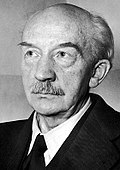
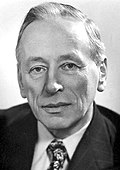
Frits (Frederik) Zernike
Netherlands
for his demonstration of the phase-contrast method, especially for his invention of the phase-contrast microscope
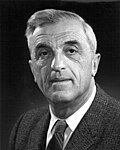
Felix Bloch
Switzerland
for their development of new methods for nuclear magnetic precision measurements and discoveries in connection therewith
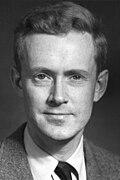
Edward Mills Purcell
United States of America
for their development of new methods for nuclear magnetic precision measurements and discoveries in connection therewith
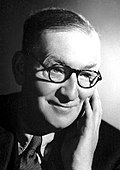
Sir John Douglas Cockcroft
United Kingdom of Great Britain and Northern Ireland
for their pioneer work on the transmutation of atomic nuclei by artificially accelerated atomic particles
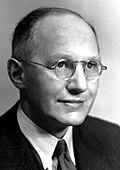
Ernest Thomas Sinton Walton
 Ireland
for their pioneer work on the transmutation of atomic nuclei by artificially accelerated atomic particles
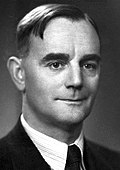
Cecil Frank Powell
United Kingdom of Great Britain and Northern Ireland
for his development of the photographic method of studying nuclear processes and his discoveries regarding mesons made with this method
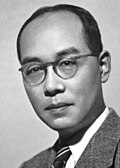
Hideki Yukawa
Japan
for his prediction of the existence of mesons on the basis of theoretical work on nuclear forces (Proc. Phys. Math. Soc. Jap. 17, 48 (1935))
Patrick Maynard Stuart Blackett
United Kingdom of Great Britain and Northern Ireland
for his development of the Wilson cloud chamber method and his discoveries therewith in the fields of nuclear physics and cosmic radiation
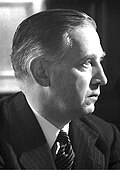
Sir Edward Victor Appleton
United Kingdom of Great Britain and Northern Ireland
for his investigations of the physics of the upper atmosphere, especially for the discovery of the so-called Appleton layer
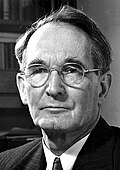
Percy Williams Bridgman
United States of America
for the invention of an apparatus to produce extremely high pressures, and for the discoveries he made therewith in the field of high pressure physics
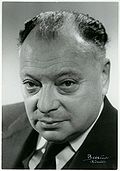
Wolfgang Pauli
United States of America
(Austro-Hungarian Empire)
for the discovery of the Exclusion Principle, also called the Pauli Principle (original paper: Zeitschrift für Physik 31 (1925) 765-783)
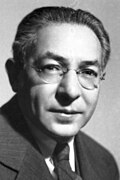
Isidor Isaac Rabi
United States of America
(Austro-Hungarian Empire)
for his resonance method for recording the magnetic properties of atomic nuclei
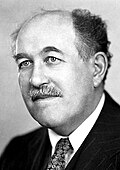
Otto Stern
United States of America
for his contribution to the development of the molecular ray method and his discovery of the magnetic moment of the proton
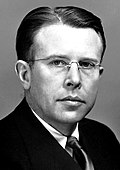
Ernest Orlando Lawrence
United States of America
for the invention and development of the cyclotron and for the results obtained with it, especially with regard to artificial radioactive elements
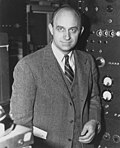
Enrico Fermi
 Kingdom of Italy
for his demonstrations of the existence of new radioactive elements produced by neutron irradiation, and for his related discovery of nuclear reactions brought about by slow (thermal) neutrons
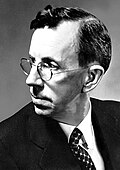
Clinton Joseph Davisson
United States of America
for their experimental discovery of the diffraction of electrons by crystals
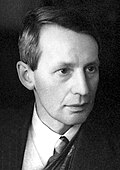
George Paget Thomson
United Kingdom of Great Britain and Northern Ireland
for their experimental discovery of the diffraction of electrons by crystals
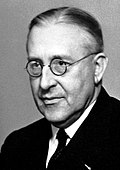
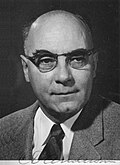
Carl David Anderson
United States of America
for the discovery of the positron (Phys. Rev.:43(1933) 491-498; Phys. Rev.:44(1933) 406-423)
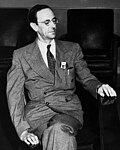
James Chadwick
United Kingdom of Great Britain and Northern Ireland
for the discovery of the neutron (Nature 129 (1932) 312)
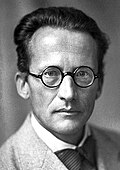
Erwin Schrödinger
Austria
for the discovery of new productive forms of atomic theory. Key papers: E. Schrödinger, Phys. Rev. 28 (1926) 1049-1070; P. A. M. Dirac, Proc. R. Soc. Lond. A 117 (1928) 610-624; 118 (1928) 351-361; 133 (1931) 60-72
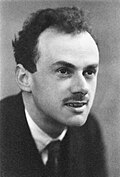
Paul Adrien Maurice Dirac
United Kingdom of Great Britain and Northern Ireland
for the discovery of new productive forms of atomic theory. Key papers: E. Schrödinger, Phys. Rev. 28 (1926) 1049-1070; P. A. M. Dirac, Proc. R. Soc. Lond. A 117 (1928) 610-624; 118 (1928) 351-361; 133 (1931) 60-72
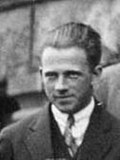
Werner Karl Heisenberg
 German Reich
for the creation of quantum mechanics, the application of which has, inter alia, led to the discovery of the allotropic forms of hydrogen
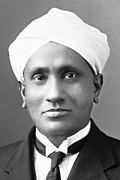
Sir Chandrasekhara Venkata Raman
 British Indian Empire
for his work on the scattering of light and for the discovery of the Raman effect named after him
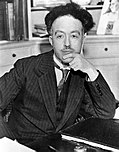
Prince Louis-Victor Pierre Raymond de Broglie
France
for his discovery of the wave nature of electrons
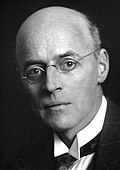
Owen Willans Richardson
United Kingdom of Great Britain and Northern Ireland
for his work on the thermionic phenomenon and especially for the discovery of the law named after him (Richardson’s law)
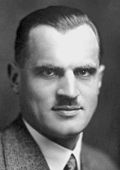
Arthur Holly Compton
United States of America
for his discovery of the Compton effect, named after him
Charles Thomson Rees Wilson
United Kingdom of Great Britain and Northern Ireland
for his invention of the cloud chamber, a method of making the paths of electrically charged particles visible by condensation of vapour
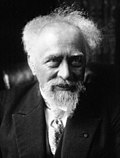
Jean Baptiste Perrin
France
for his work on the discontinuous structure of matter, and especially for his discovery of sedimentation equilibrium (Ann. de Chim. et de Phys., 8th series, 18 (1909) 5-114)
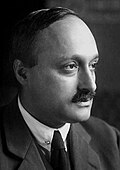
James Franck
German Reich
for their discovery of the laws governing the impact of an electron upon an atom
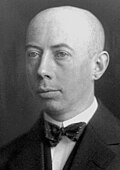
Gustav Ludwig Hertz
German Reich
for their discovery of the laws governing the impact of an electron upon an atom
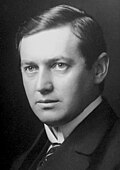
Karl Manne Georg Siegbahn
Sweden
for his discoveries and research in the field of X-ray spectroscopy
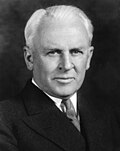
Robert Andrews Millikan
United States of America
for his work on the elementary charge of electricity and on the photoelectric effect (e.g., Phys. Mag. XIX:6 (1910) 209; Phys. Rev. 2 (1913) 109-143)
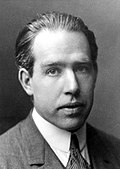
Niels Henrik David Bohr
Denmark
for his services in the investigation of the structure of atoms and of the radiation emanating from them
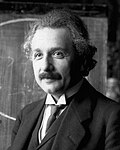
Albert Einstein
Switzerland
for his services to theoretical physics, and especially for his discovery of the law of the photoelectric effect
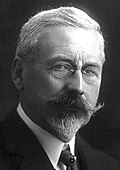
Charles Edouard Guillaume
Switzerland
for the discovery of the Invar alloy and its subsequent development of precision measurement
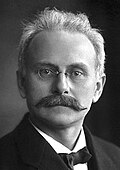
Johannes Stark
German Reich
for his discovery of the Doppler effect in canal rays and the splitting of spectral lines in electric fields
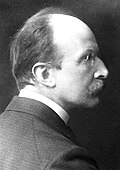
Max Karl Ernst Ludwig Planck
 German Empire
for the services he rendered to the advancement of Physics by his discovery of energy quanta (Annalen der Physik 1 (1900) 719; 4 (1901) 553)
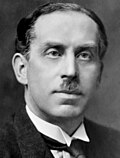
Charles Glover Barkla
United Kingdom of Great Britain and Northern Ireland
for his discovery of the characteristic X-ray radiation of the elements
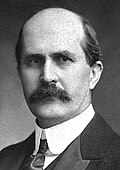
Sir William Henry Bragg
United Kingdom of Great Britain and Northern Ireland
for their services in the analysis of crystal structure by means of X-rays
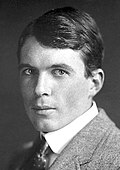
William Lawrence Bragg
United Kingdom of Great Britain and Northern Ireland
for their services in the analysis of crystal structure by means of X-rays
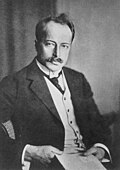
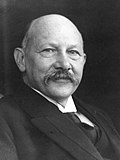
Heike Kamerlingh Onnes
Netherlands
for his investigations on the properties of matter at low temperatures which led, inter alia, to the production of liquid helium
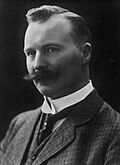
Nils Gustaf Dalén
Sweden
for his invention of automatic regulators for use in conjunction with gas accumulators for illuminating lighthouses and buoys
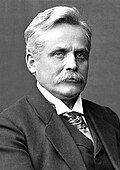
Wilhelm Wien
German Empire
for his discoveries regarding the laws governing the radiation of heat
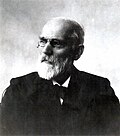
Johannes Diderik van der Waals
Netherlands
for his work on the equation of state for gases and liquids
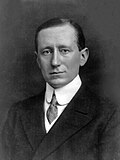
Guglielmo Marconi
Kingdom of Italy
for their contributions to the development of wireless telegraphy
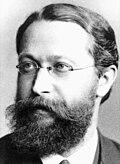
Karl Ferdinand Braun
German Empire
for their contributions to the development of wireless telegraphy
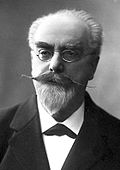
Gabriel Lippmann
France
for his method of reproducing colours photographically based on the phenomenon of interference (Lippmann colour photography)
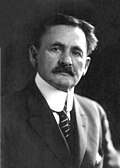
Albert Abraham Michelson
United States of America
for his optical precision instruments—especially the Michelson interferometer—and the spectroscopic and metrological investigations carried out with their aid
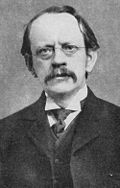
Joseph John Thomson
United Kingdom of Great Britain and Northern Ireland
for his theoretical and experimental investigations on the conduction of electricity by gases
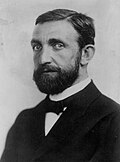
Philipp Eduard Anton von Lenard
German Empire
(Kingdom of Hungary)
for his work on cathode rays
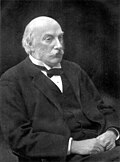
Lord Rayleigh(John William Strutt)
United Kingdom of Great Britain and Northern Ireland
for his investigations of the densities of the most important gases and for his discovery of argon in connection with these studies
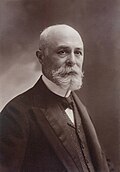
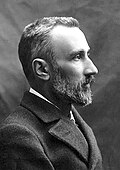
Pierre Curie
France
for their joint researches on the radiation phenomena discovered by Professor Henri Becquerel
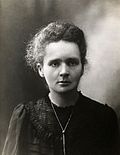
Marie Curie, née Sklodowska
France
(Kingdom of Poland (Congress Poland))
for their joint researches on the radiation phenomena discovered by Professor Henri Becquerel
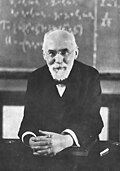
Hendrik Antoon Lorentz
Netherlands
for their researches into the influence of magnetism upon radiation phenomena
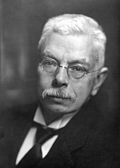
Pieter Zeeman
Netherlands
for their researches into the influence of magnetism upon radiation phenomena
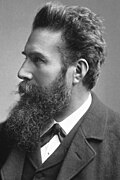
Wilhelm Conrad Röntgen
German Empire
for the discovery of the remarkable radiation later named X-rays (Nature 53 (1896) 274–276)