Nobel Prize in Physiology or Medicine
Established by Alfred Nobel's 1895 will, the Nobel Prize in Physiology or Medicine was first awarded in 1901 to Emil von Behring. It recognizes individuals and organizations that have made the most important discoveries in physiology or medicine. Laureates are selected confidentially by the Nobel Committee at the Karolinska Institute. Recipients receive a gold medal bearing Alfred Nobel's likeness, a diploma, and a monetary prize, and the award ceremony is held each year on December 10 in Stockholm. The prize may be shared by up to three laureates, and nomination records remain sealed for 50 years. Some years see no award or delayed awards.
229
Laureates
1901~
First awarded
Karolinska Institute
Presented by
All Laureates
← Back to prize information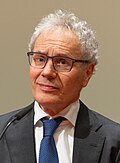
Victor Ambros
 United States of America
for the discovery of microRNA and its role in post-transcriptional gene regulation
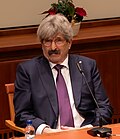
Gary Ruvkun
United States of America
for the discovery of microRNA and its role in post-transcriptional gene regulation
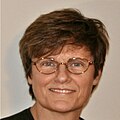
Katalin Karikó
 Hungary, United States of America
for their discoveries concerning nucleoside base modifications that enabled the development of effective mRNA vaccines against COVID-19
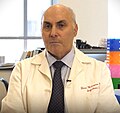
Drew Weissman
United States of America
for their discoveries concerning nucleoside base modifications that enabled the development of effective mRNA vaccines against COVID-19
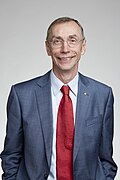
Svante Pääbo
 Sweden
for his discoveries concerning the genomes of extinct hominins and human evolution
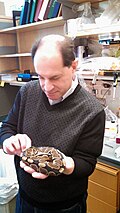
Ardem Patapoutian
United States of America
(Lebanon)
for the discovery of receptors for temperature and touch
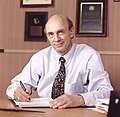
Michael Houghton
 United Kingdom of Great Britain and Northern Ireland
for the discovery of the Hepatitis C virus
William Kaelin Jr.
United States of America
for their discoveries of how cells sense and adapt to oxygen availability
Peter J. Ratcliffe
United Kingdom of Great Britain and Northern Ireland
for their discoveries of how cells sense and adapt to oxygen availability
Gregg L. Semenza
United States of America
for their discoveries of how cells sense and adapt to oxygen availability
James P. Allison
United States of America
for the discovery of immune-checkpoint inhibitors and their application to cancer therapy
Tasuku Honjo
 Japan
Japan
for the discovery of immune-checkpoint inhibitors and their application to cancer therapy
Jeffrey C. Hall
United States of America
for the discovery of molecular mechanisms controlling the circadian rhythm
Michael Rosbash
United States of America
for the discovery of molecular mechanisms controlling the circadian rhythm
Michael W. Young
United States of America
for the discovery of molecular mechanisms controlling the circadian rhythm
William C. Campbell
 Ireland, United States of America
for their discoveries concerning a novel therapy against infections caused by roundworm parasites
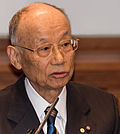
Satoshi Ōmura
Japan
for their discoveries concerning a novel therapy against infections caused by roundworm parasites
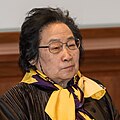
 China
China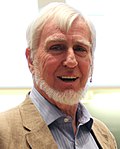
John O'Keefe
United States of America, United Kingdom of Great Britain and Northern Ireland
for the discovery of cells that constitute a positioning system in the brain
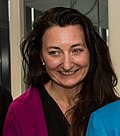
May-Britt Moser
 Norway
for the discovery of cells that constitute a positioning system in the brain
Edvard I. Moser
Norway
for the discovery of cells that constitute a positioning system in the brain
Randy Schekman
United States of America
for the discoveries of the machinery that regulates vesicle traffic, the system that transports proteins to their correct destinations inside cells
James Rothman
United States of America
for the discoveries of the machinery that regulates vesicle traffic, the system that transports proteins to their correct destinations inside cells
Thomas C. Südhof
United States of America
(Germany)
for the discoveries of the machinery that regulates vesicle traffic, the system that transports proteins to their correct destinations inside cells
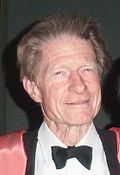
John Gurdon
United Kingdom of Great Britain and Northern Ireland
for the discovery that mature cells can be reprogrammed to become pluripotent
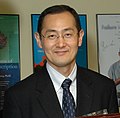
Shinya Yamanaka
Japan
for the discovery that mature cells can be reprogrammed to become pluripotent
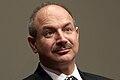
Bruce Beutler
United States of America
for their discoveries concerning the activation of innate immunity
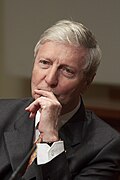
Jules A. Hoffmann
 France
(Luxembourg)
France
(Luxembourg)
for their discoveries concerning the activation of innate immunity
Ralph M. Steinman
 Canada
for his discovery of the dendritic cell and its role in adaptive immunity
Robert G. Edwards
United Kingdom of Great Britain and Northern Ireland
for the development of in vitro fertilization (IVF) technology
Elizabeth H. Blackburn
United States of America,  Australia
for the discovery of how chromosomes are protected by telomeres and the enzyme telomerase
Carol W. Greider
United States of America
for the discovery of how chromosomes are protected by telomeres and the enzyme telomerase
Jack W. Szostak
United States of America
(United Kingdom of Great Britain and Northern Ireland)
for the discovery of how chromosomes are protected by telomeres and the enzyme telomerase
Mario Capecchi
United States of America
for their discoveries of principles for introducing specific gene modifications in mice by the use of embryonic stem cells
Martin Evans
United Kingdom of Great Britain and Northern Ireland
for their discoveries of principles for introducing specific gene modifications in mice by the use of embryonic stem cells
Oliver Smithies
United States of America
for their discoveries of principles for introducing specific gene modifications in mice by the use of embryonic stem cells
Andrew Fire
United States of America
for the discovery of RNA interference – gene silencing by double-stranded RNA
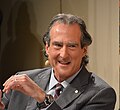
Craig Mello
United States of America
for the discovery of RNA interference – gene silencing by double-stranded RNA
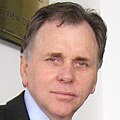
Barry Marshall
Australia
for the discovery of the bacterium Helicobacter pylori and its role in gastritis and peptic ulcer disease
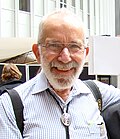
Robin Warren
Australia
for the discovery of the bacterium Helicobacter pylori and its role in gastritis and peptic ulcer disease
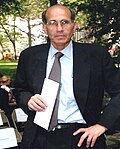
Richard Axel
United States of America
for their discoveries of odorant receptors and the organization of the olfactory system
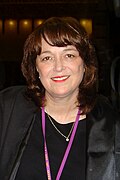
Linda B. Buck
United States of America
for their discoveries of odorant receptors and the organization of the olfactory system
Paul Lauterbur
United States of America
for their discoveries concerning magnetic resonance imaging
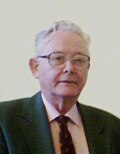
Peter Mansfield
United Kingdom of Great Britain and Northern Ireland
for their discoveries concerning magnetic resonance imaging
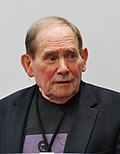
Sydney Brenner
United Kingdom of Great Britain and Northern Ireland
for the discoveries concerning genetic regulation of organ development and programmed cell death
H. Robert Horvitz
United States of America
for the discoveries concerning genetic regulation of organ development and programmed cell death
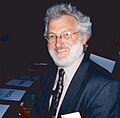
John E. Sulston
United Kingdom of Great Britain and Northern Ireland
for the discoveries concerning genetic regulation of organ development and programmed cell death
Leland H. Hartwell
United States of America
for their discoveries of key regulators of the cell cycle
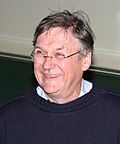
Tim Hunt
United Kingdom of Great Britain and Northern Ireland
for their discoveries of key regulators of the cell cycle
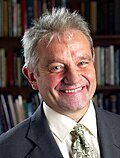
Paul M. Nurse
United Kingdom of Great Britain and Northern Ireland
for their discoveries of key regulators of the cell cycle
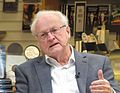
Arvid Carlsson
Sweden
for their discoveries concerning signal transduction in the nervous system
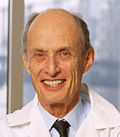
Paul Greengard
United States of America
for their discoveries concerning signal transduction in the nervous system
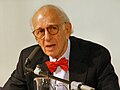
Eric R. Kandel
United States of America
for their discoveries concerning signal transduction in the nervous system
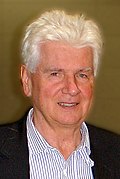
Günter Blobel
United States of America
for the discovery that proteins have intrinsic signals that govern their transport and localization in the cell
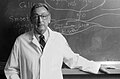
Robert F. Furchgott
United States of America
for the discovery of nitric oxide as a signalling molecule in the cardiovascular system
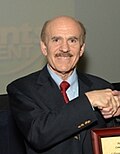
Louis J. Ignarro
United States of America
for the discovery of nitric oxide as a signalling molecule in the cardiovascular system
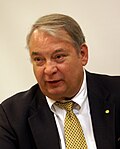
Ferid Murad
United States of America
for the discovery of nitric oxide as a signalling molecule in the cardiovascular system
Stanley B. Prusiner
United States of America
for the discovery of Prions – a new biological principle of infection
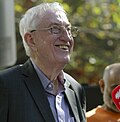
Peter C. Doherty
Australia
for their discoveries concerning the specificity of the cell-mediated immune defence
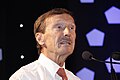
Rolf M. Zinkernagel
 Switzerland
for their discoveries concerning the specificity of the cell-mediated immune defence
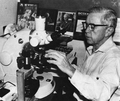
Edward B. Lewis
United States of America
for their discoveries concerning the genetic control of early embryonic development
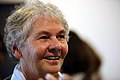
Christiane Nüsslein-Volhard
 Germany
for their discoveries concerning the genetic control of early embryonic development
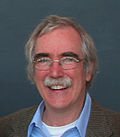
Eric F. Wieschaus
United States of America
for their discoveries concerning the genetic control of early embryonic development
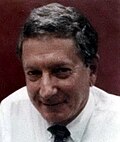
Alfred G. Gilman
United States of America
for their discovery of G-proteins and the role of these proteins in signal transduction in cells
Martin Rodbell
United States of America
for their discovery of G-proteins and the role of these proteins in signal transduction in cells
Richard J. Roberts
United Kingdom of Great Britain and Northern Ireland
for the discovery of split genes
Edmond H. Fischer
Switzerland, United States of America
for the discoveries concerning reversible protein phosphorylation as a biological regulatory mechanism
Edwin G. Krebs
United States of America
for the discoveries concerning reversible protein phosphorylation as a biological regulatory mechanism
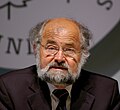
Erwin Neher
Germany
for their discoveries concerning the function of single ion channels in cells
Bert Sakmann
Germany
for their discoveries concerning the function of single ion channels in cells
Joseph E. Murray
United States of America
for their discoveries concerning organ and cell transplantation in the treatment of human disease
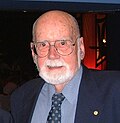
E. Donnall Thomas
United States of America
for their discoveries concerning organ and cell transplantation in the treatment of human disease
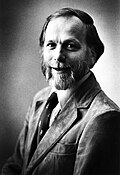
J. Michael Bishop
United States of America
for the discovery that the oncogenes of retroviruses are of cellular origin
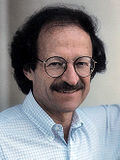
Harold E. Varmus
United States of America
for the discovery that the oncogenes of retroviruses are of cellular origin
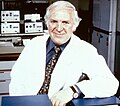
James W. Black
United Kingdom of Great Britain and Northern Ireland
for their discoveries of important principles for drug treatment
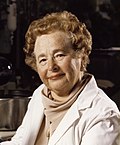
Gertrude B. Elion
United States of America
for their discoveries of important principles for drug treatment
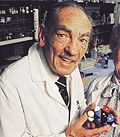
George H. Hitchings
United States of America
for their discoveries of important principles for drug treatment
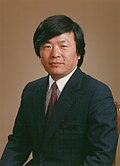
Susumu Tonegawa
Japan
for his discovery of the genetic principle for generation of antibody diversity
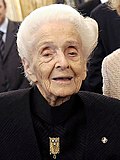
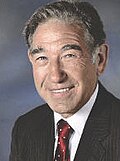
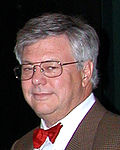
Michael Stuart Brown
United States of America
for their discoveries concerning the regulation of cholesterol metabolism
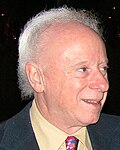
Joseph L. Goldstein
United States of America
for their discoveries concerning the regulation of cholesterol metabolism
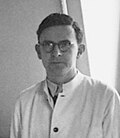
Niels Kaj Jerne
 Denmark
(United Kingdom of Great Britain and Northern Ireland)
Denmark
(United Kingdom of Great Britain and Northern Ireland)
for theories concerning the specificity in development and control of the immune system and the discovery of the principle for production of monoclonal antibodies
Georges J. F. Köhler
Germany
for theories concerning the specificity in development and control of the immune system and the discovery of the principle for production of monoclonal antibodies
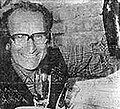
César Milstein
 Argentina, United Kingdom of Great Britain and Northern Ireland
for theories concerning the specificity in development and control of the immune system and the discovery of the principle for production of monoclonal antibodies
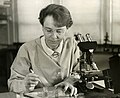
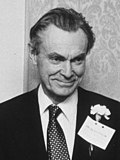
Sune Bergström
Sweden
discoveries concerning prostaglandins and related biologically active substances
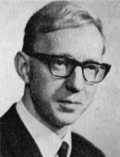
Bengt I. Samuelsson
Sweden
discoveries concerning prostaglandins and related biologically active substances
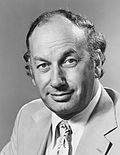
John Robert Vane
United Kingdom of Great Britain and Northern Ireland
discoveries concerning prostaglandins and related biologically active substances
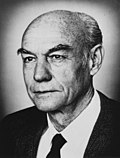
Roger Wolcott Sperry
United States of America
for discoveries concerning the functional specialization of the cerebral hemispheres
David H. Hubel
United States of America
(Canada)
for discoveries concerning information processing in the visual system
Baruj Benacerraf
United States of America
for their discoveries concerning genetically determined structures on the cell surface that regulate immunological reactions
Jean Dausset
France
for their discoveries concerning genetically determined structures on the cell surface that regulate immunological reactions
George Davis Snell
United States of America
for their discoveries concerning genetically determined structures on the cell surface that regulate immunological reactions
Godfrey Hounsfield
United Kingdom of Great Britain and Northern Ireland
for the development of computer assisted tomography (CT)
Allan McLeod Cormack
United States of America
(South Africa)
for the development of computer assisted tomography (CT)
Daniel Nathans
United States of America
for the discovery of restriction enzymes and their application to problems of molecular genetics
Hamilton O. Smith
United States of America
for the discovery of restriction enzymes and their application to problems of molecular genetics
Werner Arber
Switzerland
for the discovery of restriction enzymes and their application to problems of molecular genetics
Roger Guillemin
United States of America
(France)
for their discoveries concerning the peptide hormone production of the brain
Andrew Schally
United States of America
(Poland)
for their discoveries concerning the peptide hormone production of the brain
Rosalyn Sussman Yalow
United States of America
for the development of radioimmunoassays of peptide hormones
Baruch Samuel Blumberg
United States of America
for their discoveries concerning new mechanisms for the origin and dissemination of infectious diseases
Daniel Carleton Gajdusek
United States of America
for their discoveries concerning new mechanisms for the origin and dissemination of infectious diseases
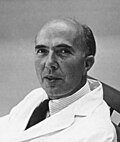
Renato Dulbecco
United States of America
(Italy)
for their discoveries concerning the interaction between tumour viruses and the genetic material of the cell
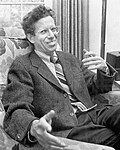
Howard Martin Temin
United States of America
for their discoveries concerning the interaction between tumour viruses and the genetic material of the cell
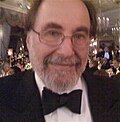
David Baltimore
United States of America
for their discoveries concerning the interaction between tumour viruses and the genetic material of the cell
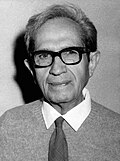
Albert Claude
 Belgium
for their discoveries concerning the structural and functional organization of the cell
Christian de Duve
Belgium
(United Kingdom of Great Britain and Northern Ireland)
for their discoveries concerning the structural and functional organization of the cell
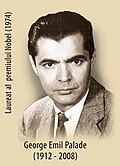
George Emil Palade
United States of America
(Romania)
for their discoveries concerning the structural and functional organization of the cell
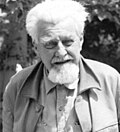
Konrad Lorenz
 Austria
for their discoveries concerning organization and elicitation of individual and social behaviour patterns
Karl von Frisch
Germany
(Austria)
for their discoveries concerning organization and elicitation of individual and social behaviour patterns
Nikolaas Tinbergen
United Kingdom of Great Britain and Northern Ireland
(Netherlands)
for their discoveries concerning organization and elicitation of individual and social behaviour patterns
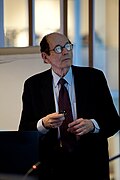
Gerald Edelman
United States of America
for the discoveries concerning the chemical structure of antibodies
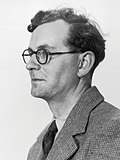
Rodney Robert Porter
United Kingdom of Great Britain and Northern Ireland
for the discoveries concerning the chemical structure of antibodies
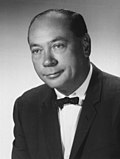
Earl Wilbur Sutherland Jr.
United States of America
for his discoveries concerning the mechanisms of the action of hormones
Bernard Katz
United Kingdom of Great Britain and Northern Ireland
(Germany)
for their discoveries concerning the humoral transmitters in the nerve terminals and the mechanisms for their storage, release and inactivation
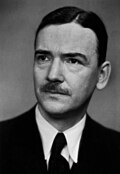
Ulf von Euler
Sweden
for their discoveries concerning the humoral transmitters in the nerve terminals and the mechanisms for their storage, release and inactivation
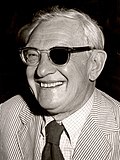
Julius Axelrod
United States of America
for their discoveries concerning the humoral transmitters in the nerve terminals and the mechanisms for their storage, release and inactivation
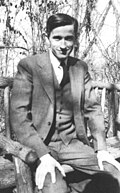
Max Delbrück
United States of America
(Germany)
for their discoveries concerning the replication mechanism and the genetic structure of viruses
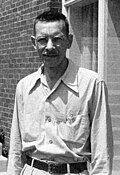
Alfred Hershey
United States of America
for their discoveries concerning the replication mechanism and the genetic structure of viruses
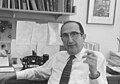
Salvador Luria
United States of America
(Italy)
for their discoveries concerning the replication mechanism and the genetic structure of viruses
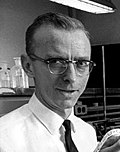
Robert W. Holley
United States of America
for their interpretation of the genetic code and its function in protein synthesis
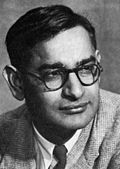
Har Gobind Khorana
United States of America
(British Indian Empire)
for their interpretation of the genetic code and its function in protein synthesis
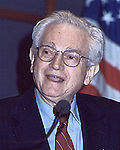
Marshall Warren Nirenberg
United States of America
for their interpretation of the genetic code and its function in protein synthesis
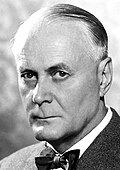
Ragnar Granit
Sweden
(Finland)
for their discoveries concerning the primary physiological and chemical visual processes in the eye
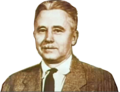
Haldan Keffer Hartline
United States of America
for their discoveries concerning the primary physiological and chemical visual processes in the eye
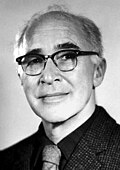
George Wald
United States of America
for their discoveries concerning the primary physiological and chemical visual processes in the eye
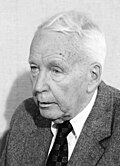
Charles Brenton Huggins
United States of America
(Canada)
discoveries concerning hormonal treatment of prostatic cancer
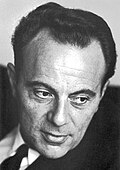
François Jacob
France
for their discoveries concerning genetic control of enzyme and virus synthesis
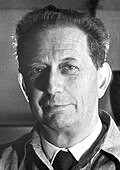
André Michel Lwoff
France
for their discoveries concerning genetic control of enzyme and virus synthesis
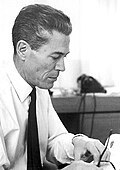
Jacques Monod
France
for their discoveries concerning genetic control of enzyme and virus synthesis
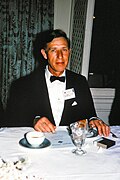
Konrad Emil Bloch
United States of America
(Germany)
for their discoveries concerning the mechanism and regulation of cholesterol and fatty acid metabolism
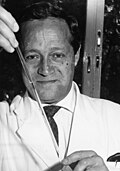
Feodor Felix Konrad Lynen
 West Germany
for their discoveries concerning the mechanism and regulation of cholesterol and fatty acid metabolism
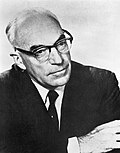
John Carew Eccles
Australia
for their discoveries concerning the ionic mechanisms involved in excitation and inhibition in the peripheral and central portions of the nerve cell membrane
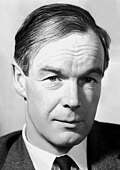
Alan Lloyd Hodgkin
United Kingdom of Great Britain and Northern Ireland
for their discoveries concerning the ionic mechanisms involved in excitation and inhibition in the peripheral and central portions of the nerve cell membrane
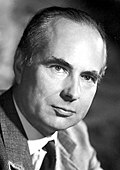
Andrew Huxley
United Kingdom of Great Britain and Northern Ireland
for their discoveries concerning the ionic mechanisms involved in excitation and inhibition in the peripheral and central portions of the nerve cell membrane
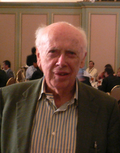
James Dewey Watson
United States of America
for their discoveries concerning the molecular structure of nucleic acids and its significance for information transfer in living material
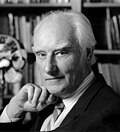
Francis Harry Compton Crick
United Kingdom of Great Britain and Northern Ireland
for their discoveries concerning the molecular structure of nucleic acids and its significance for information transfer in living material
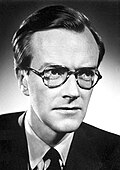
Maurice Hugh Frederick Wilkins
United Kingdom of Great Britain and Northern Ireland,  New Zealand
for their discoveries concerning the molecular structure of nucleic acids and its significance for information transfer in living material
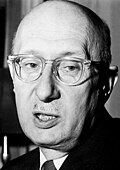
Georg von Békésy
United States of America
(Kingdom of Hungary)
for his discoveries of the physical mechanism of stimulation within the cochlea
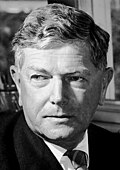
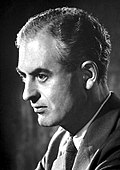
Peter Medawar
United Kingdom of Great Britain and Northern Ireland
(Brazil)
for the discovery of acquired immunological tolerance
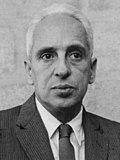
Severo Ochoa de Albornoz
United States of America
(Spain)
for their discovery of the mechanisms in the biological synthesis of ribonucleic acid and deoxyribonucleic acid
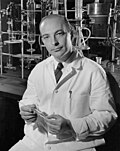
Arthur Kornberg
United States of America
for their discovery of the mechanisms in the biological synthesis of ribonucleic acid and deoxyribonucleic acid
George Wells Beadle
United States of America
for their discovery that genes act by regulating definite chemical events
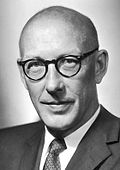
Edward Lawrie Tatum
United States of America
for their discovery that genes act by regulating definite chemical events
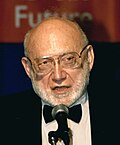
Joshua Lederberg
United States of America
for his discoveries concerning genetic recombination and the organization of the genetic material of bacteria
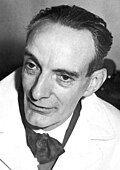
Daniel Bovet
 Italy
(Switzerland)
Italy
(Switzerland)
for his discoveries relating to synthetic compounds that inhibit the action of certain body substances, and especially their action on the vascular system and the skeletal muscles
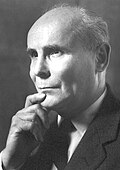
André Frédéric Cournand
United States of America
for their discoveries concerning heart catheterization and pathological changes in the circulatory system
Dickinson W. Richards
United States of America
for their discoveries concerning heart catheterization and pathological changes in the circulatory system
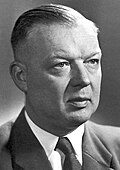
Werner Forssmann
West Germany
for their discoveries concerning heart catheterization and pathological changes in the circulatory system
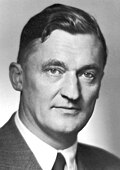
Hugo Theorell
Sweden
for his discoveries concerning the nature and mode of action of oxidation enzymes
John Franklin Enders
United States of America
for the discovery of the ability of poliomyelitis viruses to grow in cultures of various types of tissue
Thomas Huckle Weller
United States of America
for the discovery of the ability of poliomyelitis viruses to grow in cultures of various types of tissue
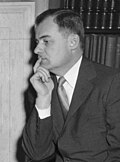
Frederick Chapman Robbins
United States of America
for the discovery of the ability of poliomyelitis viruses to grow in cultures of various types of tissue
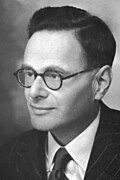
Hans Adolf Krebs
United Kingdom of Great Britain and Northern Ireland
(Germany)
for the discovery of the citric acid cycle
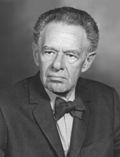
Fritz Albert Lipmann
United States of America
(Germany)
for the discovery of co-enzyme A and its importance for intermediary metabolism
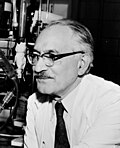
Selman Waksman
United States of America
(Ukraine)
for his discovery of streptomycin, the first antibiotic effective against tuberculosis
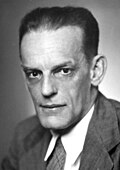
Max Theiler
 Union of South Africa
for his discoveries concerning yellow fever and how to combat it
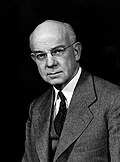
Edward Calvin Kendall
United States of America
for their discoveries relating to the hormones of the adrenal cortex, their structure and biological effects
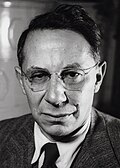
Tadeusz Reichstein
Switzerland
(Poland)
for their discoveries relating to the hormones of the adrenal cortex, their structure and biological effects
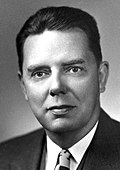
Philip Showalter Hench
United States of America
for their discoveries relating to the hormones of the adrenal cortex, their structure and biological effects
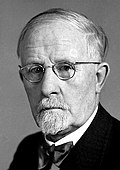
Walter Rudolf Hess
Switzerland
for his discovery of the functional organization of the interbrain as a coordinator of the activities of the internal organs
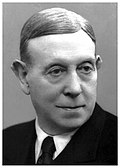
António Egas Moniz
 Portugal
for his discovery of the therapeutic value of leucotomy in certain psychoses
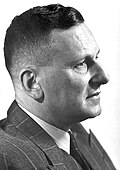
Paul Hermann Müller
Switzerland
for his discovery of the high efficiency of DDT as a contact poison against several arthropods
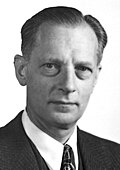
Carl Ferdinand Cori
United States of America
(Czechoslovakia)
for their discovery of the course of the catalytic conversion of glycogen
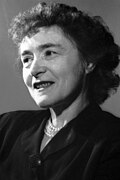
Gerty Theresa Cori
United States of America
(Czechoslovakia)
for their discovery of the course of the catalytic conversion of glycogen
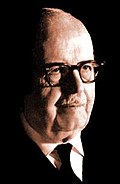
Bernardo Alberto Houssay
Argentina
for his discovery of the part played by the hormone of the anterior pituitary lobe in the metabolism of sugar
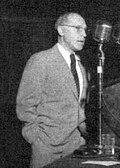
Hermann Joseph Muller
United States of America
for the discovery of the production of mutations by means of X-ray irradiation
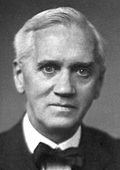
Alexander Fleming
United Kingdom of Great Britain and Northern Ireland
for the discovery of penicillin and its curative effect in various infectious diseases
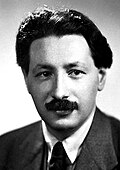
Ernst Boris Chain
United Kingdom of Great Britain and Northern Ireland
for the discovery of penicillin and its curative effect in various infectious diseases
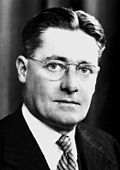
Howard Walter Florey
Australia
for the discovery of penicillin and its curative effect in various infectious diseases
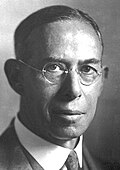
Joseph Erlanger
United States of America
for their discoveries relating to the highly differentiated functions of single nerve fibres
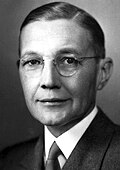
Herbert Spencer Gasser
United States of America
for their discoveries relating to the highly differentiated functions of single nerve fibres
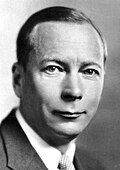
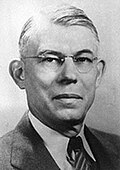
Edward Adelbert Doisy
United States of America
for the discovery of the chemical nature of vitamin K
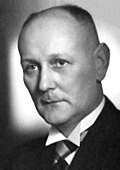
Gerhard Domagk
 Greater German Reich
for the discovery of the antibacterial effects of prontosil
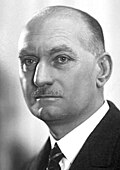
Corneille Jean François Heymans
Belgium
for the discovery of the role played by the sinus and aortic mechanisms in the regulation of respiration
Albert Szent-Györgyi de Nagyrápolt
 Kingdom of Hungary
for his discoveries in connection with the biological combustion processes, with special reference to vitamin C and the catalysis of fumaric acid
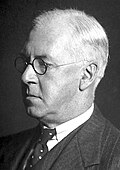
Henry Hallett Dale
United Kingdom of Great Britain and Northern Ireland
for their discoveries relating to chemical transmission of nerve impulses
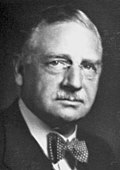
Otto Loewi
United States of America
(Germany, Austria)
for their discoveries relating to chemical transmission of nerve impulses
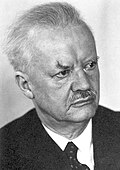
Hans Spemann
Greater German Reich
for his discovery of the organizer effect in embryonic development
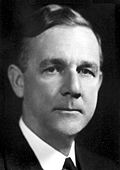
George Hoyt Whipple
United States of America
for their discoveries concerning liver therapy in cases of anaemia
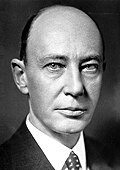
George Richards Minot
United States of America
for their discoveries concerning liver therapy in cases of anaemia
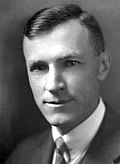
William Parry Murphy
United States of America
for their discoveries concerning liver therapy in cases of anaemia
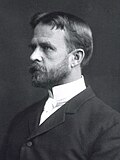
Thomas Hunt Morgan
United States of America
for his discoveries concerning the role played by the chromosome in heredity
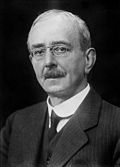
Charles Scott Sherrington
United Kingdom of Great Britain and Northern Ireland
for their discoveries regarding the functions of neurons
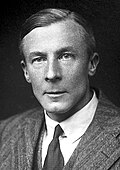
Edgar Douglas Adrian
United Kingdom of Great Britain and Northern Ireland
for their discoveries regarding the functions of neurons
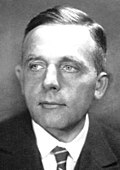
Otto Heinrich Warburg
 German Reich
for his discovery of the nature and mode of action of the respiratory enzyme
 Netherlands
Frederick Gowland Hopkins
United Kingdom of Great Britain and Northern Ireland
Discovery of growth-stimulating vitamins
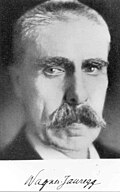
Julius Wagner-Jauregg
Austria
for his discovery of the therapeutic value of malaria inoculation in the treatment of dementia paralytica
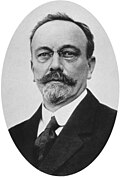
Johannes Andreas Grib Fibiger
Denmark
for his discovery of the Spiroptera carcinoma and the idea that a parasitic infection can induce cancer
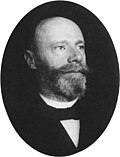
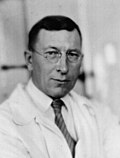
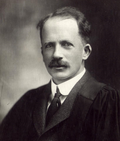
John James Rickard Macleod
United Kingdom of Great Britain and Northern Ireland
for the discovery of insulin
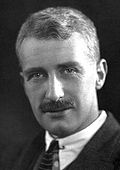
Archibald Vivian Hill
United Kingdom of Great Britain and Northern Ireland
for his discovery relating to the production of heat in the muscle
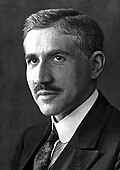
Otto Fritz Meyerhof
German Reich
for his discovery of the fixed relationship between the consumption of oxygen and the metabolism of lactic acid in the muscle
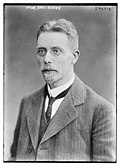
Schack August Steenberg Krogh
Denmark
for his discovery of the capillary motor regulating mechanism
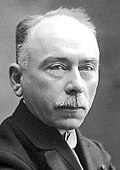
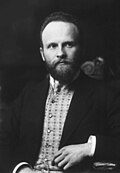
Róbert Bárány
 Austro-Hungarian Empire
for his work on the physiology and pathology of the vestibular apparatus
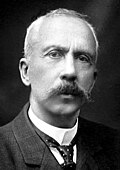
Charles Robert Richet
France
for elucidating the mechanisms and dangers of anaphylaxis (acute hypersensitivity reactions)
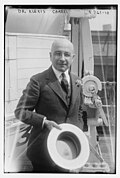
Alexis Carrel
France
for his work on vascular suture and the transplantation of blood vessels and organs
Albrecht Kossel
 German Empire
for contributions to our knowledge of cell chemistry made through his work on proteins, including the nucleic substances
Emil Theodor Kocher
Switzerland
for his work on the physiology, pathology and surgery of the thyroid gland
Charles Louis Alphonse Laveran
France
for his work on the role played by protozoa in causing diseases
 Kingdom of Italy
 Spain
Spain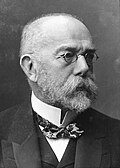
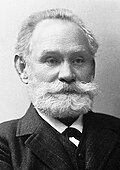
Ivan Petrovich Pavlov
 Russian Empire
for his work on the physiology of digestion, through which knowledge on vital aspects of the subject has been transformed and enlarged
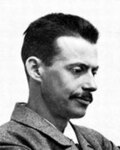
Niels Ryberg Finsen
Denmark
for his contribution to the treatment of diseases, especially lupus vulgaris, with concentrated light radiation, whereby he has opened a new avenue for medical science
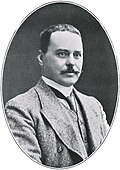
Ronald Ross
United Kingdom of Great Britain and Northern Ireland
for his work on malaria, by which he showed how it enters the organism and thereby laid the foundation for successful research on this disease and methods of combating it
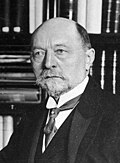
Emil Adolf von Behring
German Empire
for his work on serum therapy, especially its application against diphtheria, by which he has opened a new road in the domain of medical science and thereby placed in the hands of the physician a victorious weapon against illness and deaths