Nobel Peace Prize
First awarded in 1901, the Peace Prize is administered by the Norwegian Nobel Committee. Laureates receive a gold medal, diploma, and monetary award, and the prize may be shared by up to three individuals or awarded to organizations. The ceremony takes place on December 10 in Oslo City Hall. Nomination records remain sealed for 50 years, and selections have often sparked political debate. The prize was withheld in several years, including during World Wars I and II, when no suitable candidate was found.
142
Laureates
1901~
First awarded
Norwegian Nobel Committee
Presented by
All Laureates
← Back to prize informationNihon Hidankyo
 Japan
Japan
for its long-standing efforts to achieve a world free of nuclear weapons and for demonstrating through survivor testimony that nuclear weapons must never be used again, as well as for its extraordinary contribution to establishing the nuclear taboo

Narges Mohammadi
 Iran (Islamic Republic of)
for her fight against the oppression of women in Iran and her fight to promote human rights and freedom for all
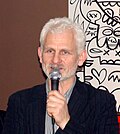
Ales Bialiatski
 Belarus
for representing civil society in their home countries, for many years promoting the right to criticise those in power and protect the fundamental rights of citizens, and for their outstanding efforts to document war crimes, human-rights abuses and abuses of power, thereby demonstrating the importance of civil society for peace and democracy
Memorial
 Russian Federation
for representing civil society in their home countries, for many years promoting the right to criticise those in power and protect the fundamental rights of citizens, and for their outstanding efforts to document war crimes, human-rights abuses and abuses of power, thereby demonstrating the importance of civil society for peace and democracy

Center for Civil Liberties
 Ukraine
for representing civil society in their home countries, for many years promoting the right to criticise those in power and protect the fundamental rights of citizens, and for their outstanding efforts to document war crimes, human-rights abuses and abuses of power, thereby demonstrating the importance of civil society for peace and democracy
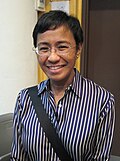
Maria Ressa
 Philippines
for their efforts to safeguard freedom of expression, which is a precondition for democracy and lasting peace
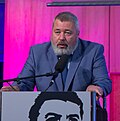
Dmitry Muratov
Russian Federation
for their efforts to safeguard freedom of expression, which is a precondition for democracy and lasting peace
World Food Programme
 World
World
for its efforts to combat hunger, for its contribution to bettering conditions for peace in conflict-affected areas, and for acting as a driving force in efforts to prevent the use of hunger as a weapon of war and conflict
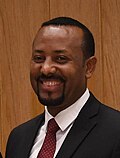
Abiy Ahmed
 Ethiopia
for his efforts to achieve peace and international cooperation, and in particular for his decisive initiative to resolve the border conflict with neighbouring Eritrea
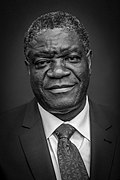
Denis Mukwege
 Congo, Democratic Republic of the
for their efforts to end the use of sexual violence as a weapon of war and armed conflict
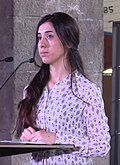
Nadia Murad
 Iraq
Iraq
for their efforts to end the use of sexual violence as a weapon of war and armed conflict

International Campaign to Abolish Nuclear Weapons
 Switzerland
for its work to draw attention to the catastrophic humanitarian consequences of any use of nuclear weapons and for its ground-breaking efforts to achieve a treaty-based prohibition of such weapons
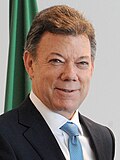
Juan Manuel Santos
 Colombia
for his resolute efforts to bring the country's more than 50-year-long civil war to an end
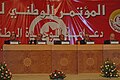
Tunisian National Dialogue Quartet
 Tunisia
for its decisive contribution to the building of a pluralistic democracy in Tunisia in the wake of the 2011 Jasmine Revolution
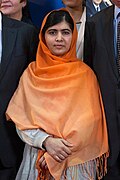
Malala Yousafzai
 Pakistan
for their struggle against the suppression of children and young people and for the right of all children to education
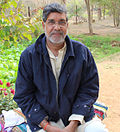
Kailash Satyarthi
 India
India
for their struggle against the suppression of children and young people and for the right of all children to education
Organisation for the Prohibition of Chemical Weapons
World
for its extensive efforts to eliminate chemical weapons
European Union
 European Union
for over six decades of contributions to peace, reconciliation, democracy and human rights in Europe
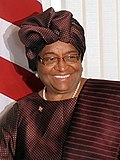
Ellen Johnson Sirleaf
 Liberia
for their non-violent struggle for the safety of women and for women’s rights to full participation in peace-building work
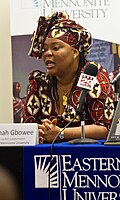
Leymah Gbowee
Liberia
for their non-violent struggle for the safety of women and for women’s rights to full participation in peace-building work
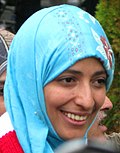
Tawakkol Karman
 Yemen
Yemen
for their non-violent struggle for the safety of women and for women’s rights to full participation in peace-building work
 China
China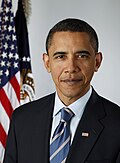
Barack Obama
 United States of America
for his extraordinary efforts to strengthen international diplomacy and cooperation between peoples, and for giving people around the world hope for a better future
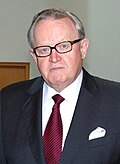
 Finland
Intergovernmental Panel on Climate Change
World
for their efforts to build up and disseminate greater knowledge about man-made climate change, and to lay the foundations for the measures that are needed to counteract such change
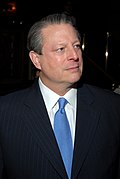
Al Gore
United States of America
for their efforts to build up and disseminate greater knowledge about man-made climate change, and to lay the foundations for the measures that are needed to counteract such change
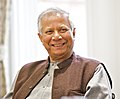
Muhammad Yunus
 Bangladesh
for their contribution to building the economic and social foundations of the poor through bottom-up development initiatives
Grameen Bank
Bangladesh
for their contribution to building the economic and social foundations of the poor through bottom-up development initiatives
International Atomic Energy Agency
World
for their efforts to prevent nuclear energy from being used for military purposes and to ensure that nuclear energy for peaceful purposes is used in the safest possible way
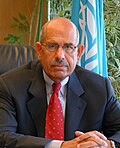
Mohamed ElBaradei
 Egypt
Egypt
for their efforts to prevent nuclear energy from being used for military purposes and to ensure that nuclear energy for peaceful purposes is used in the safest possible way
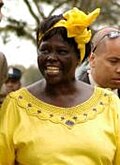
 Kenya
Kenya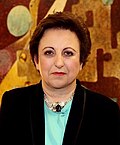
Shirin Ebadi
Iran (Islamic Republic of)
for her efforts for democracy and human rights, with particular focus on the struggle for the rights of women and children
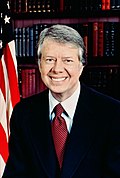
Jimmy Carter
United States of America
for his decades of untiring effort to find peaceful solutions to international conflicts, to advance democracy and human rights, and to promote economic and social development
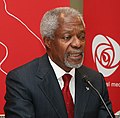
 Ghana
Ghana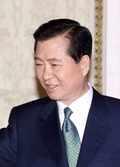
Kim Dae-jung
 Korea (the Republic of)
for his work for democracy and human rights in South Korea and in East Asia in general, and for peace and reconciliation with North Korea in particular
Médecins Sans Frontières
World
in recognition of the organisation's pioneering humanitarian work on several continents, in Africa, Asia, and South America
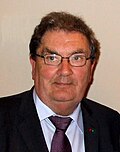
John Hume
 United Kingdom of Great Britain and Northern Ireland
for their efforts to find a peaceful solution to the conflict in Northern Ireland
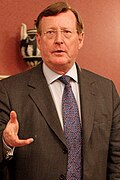
David Trimble
United Kingdom of Great Britain and Northern Ireland
for their efforts to find a peaceful solution to the conflict in Northern Ireland
International Campaign to Ban Landmines
World
for their work for the banning and clearing of anti-personnel landmines
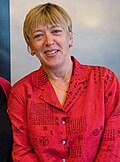
Jody Williams
United States of America
for their work for the banning and clearing of anti-personnel landmines
Carlos Filipe Ximenes Belo
 Timor-Leste
for their work towards a just and peaceful solution to the conflict in East Timor
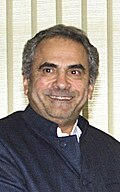
José Ramos-Horta
Timor-Leste
for their work towards a just and peaceful solution to the conflict in East Timor
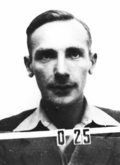
Joseph Rotblat
United Kingdom of Great Britain and Northern Ireland
for their efforts to diminish the part played by nuclear arms in international politics and, in the longer run, to eliminate such arms

Pugwash Conferences on Science and World Affairs
World
for their efforts to diminish the part played by nuclear arms in international politics and, in the longer run, to eliminate such arms
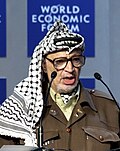
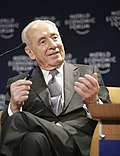
 Palestine, State of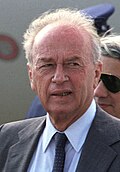
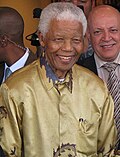
Nelson Mandela
 South Africa
for their work for the peaceful termination of the apartheid regime, and for laying the foundations for a new democratic South Africa
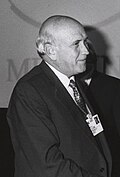
F. W. de Klerk
South Africa
for their work for the peaceful termination of the apartheid regime, and for laying the foundations for a new democratic South Africa
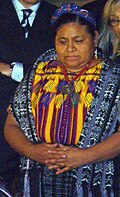
Rigoberta Menchú
 Guatemala
for her struggle for social justice and ethno-cultural reconciliation based on respect for the rights of indigenous peoples
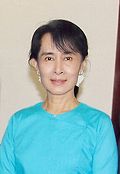
Aung San Suu Kyi
 Myanmar
for her non-violent struggle for democracy and human rights in Myanmar
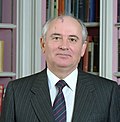
Mikhail Gorbachev
 Soviet Union
for his leading role in ending the Cold War, signing the Intermediate-Range Nuclear Forces Treaty, and encouraging democratization in the Eastern Bloc through Perestroika
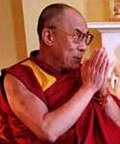
The 14th Dalai Lama
 Tibet
Tibet
for advocating peaceful solutions based upon tolerance and mutual respect in order to preserve the historical and cultural heritage of his people

United Nations Peacekeeping Forces
World
for their important contribution toward fulfilling the basic ideals of the United Nations
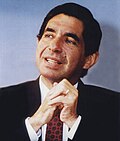
Óscar Arias Sánchez
 Costa Rica
for his dedicated efforts to achieve lasting peace in Central America, including mediation in the conflicts involving Nicaragua and El Salvador
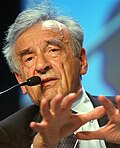
Elie Wiesel
United States of America
for serving as Chair of the Presidential Commission on the Holocaust
International Physicians for the Prevention of Nuclear War
World
for spreading authoritative information and creating awareness of the catastrophic consequences of nuclear war
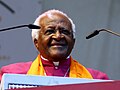
Desmond Tutu
South Africa
for his role as a unifying leader figure in the non-violent campaign to resolve the problem of apartheid in South Africa
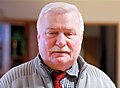
Lech Wałęsa
 Poland
for founding the trade union "Solidarity" and initiating the movement for democratization
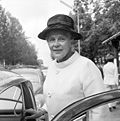
Alva Myrdal
 Sweden
for their monumental achievements and internationally recognized contributions in playing a pivotal role in United Nations disarmament negotiations
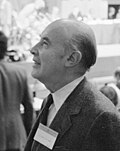
Alfonso García Robles
 Mexico
for their monumental achievements and internationally recognized contributions in playing a pivotal role in United Nations disarmament negotiations
United Nations High Commissioner for Refugees
World
for its efforts to improve the relocation, settlement and treatment of refugees and to promote their fundamental rights
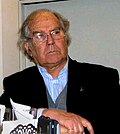
Adolfo Pérez Esquivel
 Argentina
for being a source of inspiration to repressed people, especially in Latin America
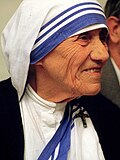
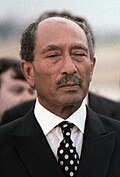
Anwar Sadat
Egypt
for jointly having negotiated the Camp David Accords, achieving peace between Egypt and Israel
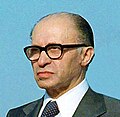
Menachem Begin
 Israel
for jointly having negotiated the Camp David Accords, achieving peace between Egypt and Israel
Amnesty International
World
for denouncing the repression of the population under the Pinochet regime in Chile
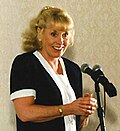
Betty Williams
United Kingdom of Great Britain and Northern Ireland
for the courageous efforts in founding a movement to put an end to the violent conflict in Northern Ireland
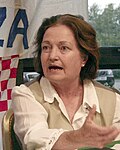
Mairead Corrigan
United Kingdom of Great Britain and Northern Ireland
for the courageous efforts in founding a movement to put an end to the violent conflict in Northern Ireland
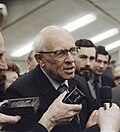
Andrei Sakharov
Soviet Union
for his struggle for human rights in the Soviet Union, for disarmament and cooperation between all nations
Seán MacBride
 Ireland
for his deep commitment to human rights, his role in drafting the European Convention on Human Rights through the Council of Europe, his help in founding Amnesty International, and his service as Secretary-General of the International Commission of Jurists
Henry Kissinger
United States of America
for having jointly negotiated a ceasefire in Vietnam in 1973
 North Vietnam
Willy Brandt
 West Germany
for his Ostpolitik aimed at normalizing relations with East Germany and other Eastern European countries, paving the way for a meaningful dialogue between East and West
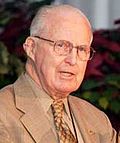
Norman Borlaug
United States of America
for his efforts to alleviate the world food shortage through the Green Revolution
International Labour Organization
World
for creating international legislation ensuring certain norms for working conditions in every country

United Nations Children's Fund
World
for its effort to enhance solidarity between nations and reduce the difference between rich and poor states as an international aid organization
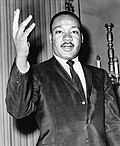
Martin Luther King Jr.
United States of America
for his non-violent struggle to end racial prejudice in the United States
International Committee of the Red Cross
World
for promoting the principles of the Geneva Conventions and cooperation with the United Nations

League of Red Cross Societies
World
for promoting the principles of the Geneva Conventions and cooperation with the United Nations
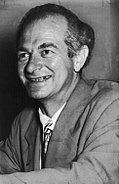
Linus Pauling
United States of America
for his fight against the nuclear arms race between East and West and for leading an international movement demanding a halt to nuclear testing and the pursuit of disarmament
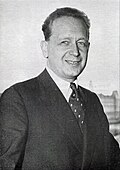
Dag Hammarskjöld
Sweden
for developing the United Nations into an effective and constructive international organization, capable of giving life to the principles and aims expressed in the UN Charter
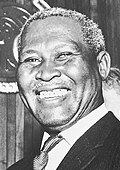
Albert Lutuli
 Union of South Africa
As president of the African National Congress, Albert John Lutuli was at the forefront of South Africa’s non-violent struggle against apartheid.
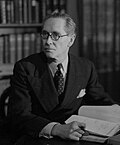
Philip Noel-Baker
United Kingdom of Great Britain and Northern Ireland
for his longstanding contribution to the cause of disarmament and peace
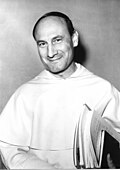
Dominique Pire
 Belgium
for his efforts to help post-World War II refugees in Europe leave their camps and return to a life of freedom and dignity
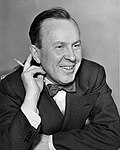
Lester B. Pearson
 Canada
for his crucial contribution to the deployment of a United Nations Emergency Force in the wake of the Suez Crisis
United Nations High Commissioner for Refugees
World
for providing political and legal protection to refugees during the Cold War
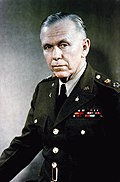
George C. Marshall
United States of America
for proposing and supervising the Marshall Plan for the economic recovery of Europe
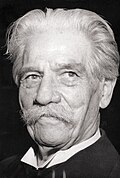
Albert Schweitzer
West Germany
for his altruism, reverence for life, and tireless humanitarian work as a surgeon and physician in Lambaréné, which helped make the idea of brotherhood between men and nations a living one
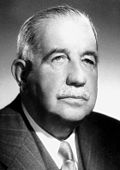
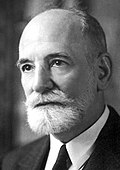
Léon Jouhaux
 France
for his contribution to the establishment of the International Labour Organization
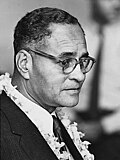
Ralph Bunche
United States of America
for his successful mediation in Palestine and his contribution to the armistice negotiations between the Arab states and Israel
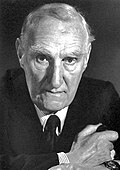
John Boyd Orr
United Kingdom of Great Britain and Northern Ireland
for his service as Director-General of the Food and Agriculture Organization of the United Nations (FAO) and as chairman of the National Peace Council

Friends Service Council
United Kingdom of Great Britain and Northern Ireland
for their pioneering work in the international peace movement and compassionate effort to relieve human suffering, thereby promoting the fraternity between nations

American Friends Service Committee
United States of America
for their pioneering work in the international peace movement and compassionate effort to relieve human suffering, thereby promoting the fraternity between nations
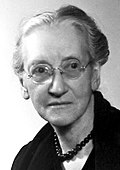
Emily Greene Balch
United States of America
as Honorary International President of the Women's International League for Peace and Freedom
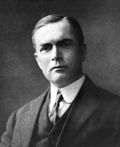
John Raleigh Mott
United States of America
as President of the Young Men's Christian Association
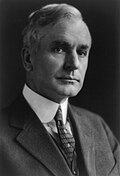
Cordell Hull
United States of America
for his pivotal role in drafting the United Nations Charter and his indefatigable work for international understanding
International Committee of the Red Cross
World
for the great work it has performed during the war on behalf of humanity
Nansen International Office for Refugees
World
for having carried on the work of Fridtjof Nansen to the benefit of refugees across Europe
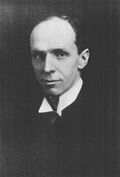
Robert Cecil, 1st Viscount Cecil of Chelwood
United Kingdom of Great Britain and Northern Ireland
for his tireless effort in support of the League of Nations, disarmament and peace
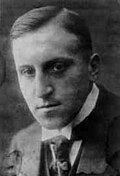
 Greater German Reich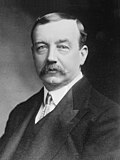
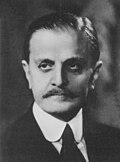
Arthur Henderson
United Kingdom of Great Britain and Northern Ireland
for his untiring struggle and courageous efforts as Chairman of the League of Nations Disarmament Conference 1931–34
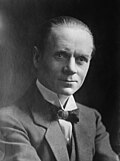
Norman Angell
United Kingdom of Great Britain and Northern Ireland
for his authorship of “The Great Illusion,” his active support of the League of Nations, and his wide dissemination of anti-war arguments that fostered international peace
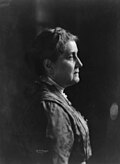
Jane Addams
United States of America
for her leadership of the Women's International League for Peace and Freedom and her pioneering social reforms
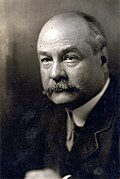
Nicholas Murray Butler
United States of America
for promoting the conclusion of the Kellogg-Briand Pact and for his leadership in the peace movement in the United States
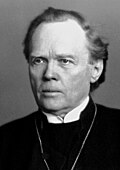
Nathan Söderblom
Sweden
for promoting Christian unity (ecumenism) and for his efforts to involve the Christian churches in the work for world peace
Frank B. Kellogg
United States of America
for his crucial role in bringing about the Briand–Kellogg Pact
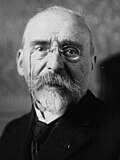
Ferdinand Buisson
France
for their contribution to Franco-German reconciliation and the nurturing of public opinion favouring peaceful international cooperation
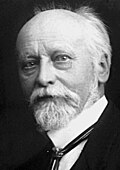
Ludwig Quidde
 German Reich
for their contribution to Franco-German reconciliation and the nurturing of public opinion favouring peaceful international cooperation
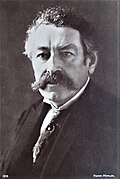
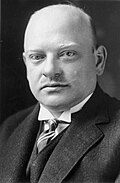
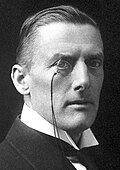
Austen Chamberlain
United Kingdom of Great Britain and Northern Ireland
for his crucial role in bringing about the Locarno Treaties
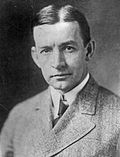
Charles G. Dawes
United States of America
for his crucial role in bringing about the Dawes Plan to stabilize and recover Germany’s economy
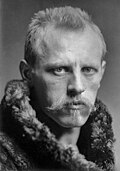
Fridtjof Nansen
 Norway
for his leading role in the repatriation of prisoners of war and the relief of famine refugees
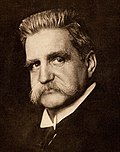
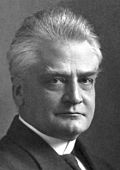
Christian Lous Lange
Norway
for serving as Secretary-General of the Norwegian Nobel Committee and of the Inter-Parliamentary Union
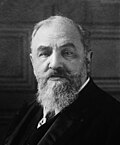
Léon Bourgeois
France
for his longstanding contribution to the cause of peace and justice and his prominent role in the establishment of the League of Nations, including serving as President of its first Assembly
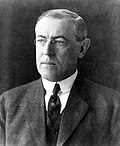
International Committee of the Red Cross
World
for the efforts to take care of wounded soldiers and prisoners of war and their families
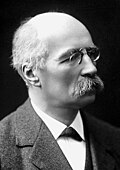
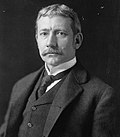
Elihu Root
United States of America
for his strong commitment to international arbitration and his draft proposal for an international court
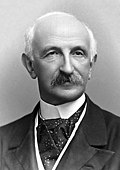
 Netherlands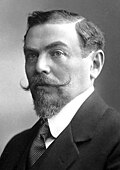

International Peace Bureau
World
for acting as a link between the peace societies of the various countries and helping them to organize the world rallies of the international peace movement
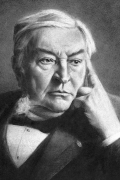
Auguste Beernaert
Belgium
for serving as a delegate to two Hague Peace Conferences and for leading the Inter-Parliamentary Union
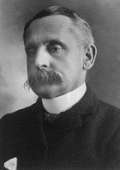
Paul Henri d'Estournelles de Constant
France
for his distinguished diplomatic achievements in international arbitration to foster Anglo-French and Franco-German understanding
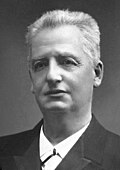
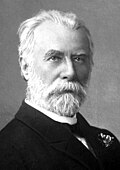
Fredrik Bajer
 Denmark
for promoting peace on the Scandinavian Peninsula and serving as honorary president of the International Peace Bureau
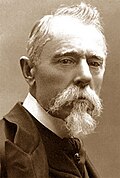
Ernesto Teodoro Moneta
 Kingdom of Italy
for his leadership as President of the Lombardy League for Peace and Arbitration
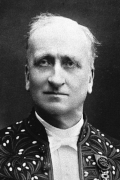
Louis Renault
France
for his role as a leading French international jurist and as a judge at the Permanent Court of Arbitration during the Hague Peace Conferences
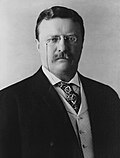
Theodore Roosevelt
United States of America
for his role in bringing to an end the bloody war recently waged between two of the world's great powers, Japan and Russia
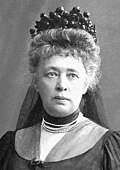
Bertha von Suttner
 Austro-Hungarian Empire
for her novel “Lay Down Your Arms!” and for her outstanding contribution to the peace movement

Institut de Droit International
World
for the Institute’s efforts to formulate general principles of international law and to draw attention to the need for clearer and more humane laws of war
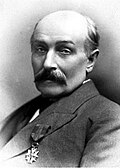
William Randal Cremer
United Kingdom of Great Britain and Northern Ireland
as Secretary of the International Arbitration League
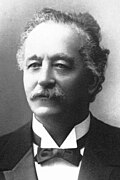
Élie Ducommun
Switzerland
for his untiring and skilful directorship of the Bern Peace Bureau (International Peace Bureau)
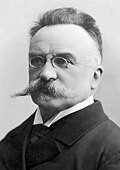
Charles Albert Gobat
Switzerland
for his eminently practical administration of the Inter-Parliamentary Union
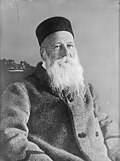
Henry Dunant
Switzerland
for founding the International Committee of the Red Cross and inspiring the adoption of the Geneva Convention
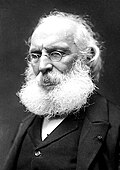
Frédéric Passy
France
for leading the establishment of the Inter-Parliamentary Union and initiating international peace conferences