Nobel Prize in Chemistry
The Nobel Prize in Chemistry was established by Alfred Nobel's 1895 will and first awarded in 1901. It is administered by the Nobel Foundation and awarded by the Royal Swedish Academy of Sciences. Laureates receive a gold medal, a diploma, and a cash prize, and the award ceremony is held annually on December 10 in Stockholm. The monetary award varies each year and may be shared by up to three individuals. Prize announcements are made in early October, and nomination records are sealed for 50 years.
197
Laureates
1901~
First awarded
Royal Swedish Academy of Sciences
Presented by
All Laureates
← Back to prize information
Demis Hassabis
 United Kingdom of Great Britain and Northern Ireland
Development of programs for protein structure prediction
John M. Jumper
 United States of America
Development of programs for protein structure prediction
Moungi Bawendi
 Tunisia,
  France, United States of America
for the discovery and synthesis of quantum dots
 Russian Federation
Carolyn R. Bertozzi
United States of America
for the development of click chemistry and bioorthogonal chemistry
Karl Barry Sharpless
United States of America
for the development of click chemistry and bioorthogonal chemistry
David MacMillan
United Kingdom of Great Britain and Northern Ireland, United States of America
for the development of asymmetric organocatalysis
Emmanuelle Charpentier
France
for the development of a method for genome editing (CRISPR/Cas9 genetic scissors)
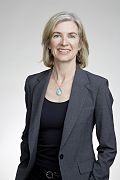
Jennifer Doudna
United States of America
for the development of a method for genome editing (CRISPR/Cas9 genetic scissors)
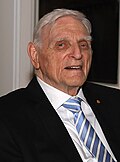
M. Stanley Whittingham
United Kingdom of Great Britain and Northern Ireland, United States of America
for the development of lithium-ion batteries
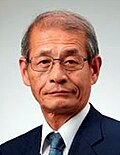
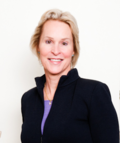
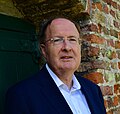
Greg Winter
United Kingdom of Great Britain and Northern Ireland
for the phage display of peptides and antibodies
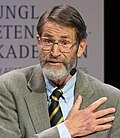
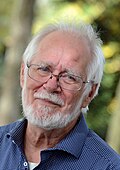
Jacques Dubochet
 Switzerland
for developing cryo-electron microscopy for the high-resolution structure determination of biomolecules in solution
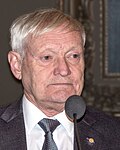
Joachim Frank
 Germany, United States of America
for developing cryo-electron microscopy for the high-resolution structure determination of biomolecules in solution
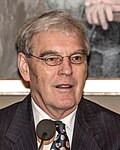
Richard Henderson
United Kingdom of Great Britain and Northern Ireland
for developing cryo-electron microscopy for the high-resolution structure determination of biomolecules in solution
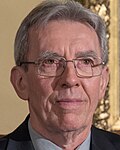
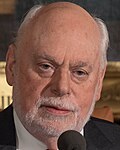
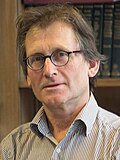
Fraser Stoddart
United Kingdom of Great Britain and Northern Ireland, United States of America
for the design and synthesis of molecular machines
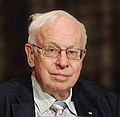
Tomas Lindahl
 Sweden, United Kingdom of Great Britain and Northern Ireland
for mechanistic studies of DNA repair
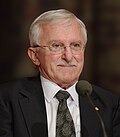
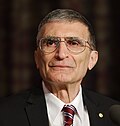
 Turkey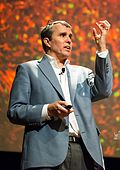
Eric Betzig
United States of America
for the development of super-resolved fluorescence microscopy
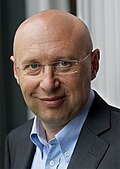
 Romania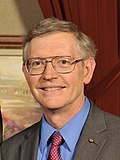
William E. Moerner
United States of America
for the development of super-resolved fluorescence microscopy
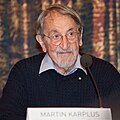
Martin Karplus
United States of America,  Austria
for the development of multiscale models for complex chemical systems
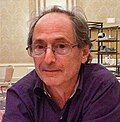
Michael Levitt
United States of America, United Kingdom of Great Britain and Northern Ireland,  Israel
for the development of multiscale models for complex chemical systems
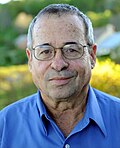
Arieh Warshel
United States of America, Israel
for the development of multiscale models for complex chemical systems
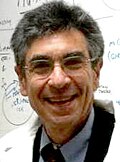
Robert Joseph Lefkowitz
United States of America
for studies of G-protein-coupled receptors (GPCRs)
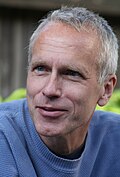
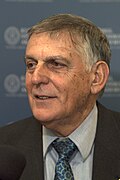
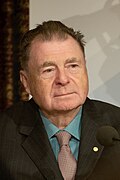
Richard Fred Heck
United States of America
for palladium-catalyzed cross couplings in organic synthesis
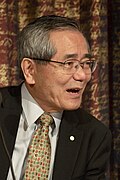
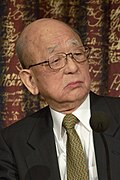
Venkatraman Ramakrishnan
United States of America,  India, United Kingdom of Great Britain and Northern Ireland
for studies of the structure and function of the ribosome
Thomas Arthur Steitz
United States of America
for studies of the structure and function of the ribosome
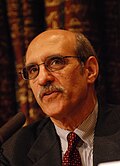
Martin Lee Chalfie
United States of America
for the discovery and development of the green fluorescent protein, GFP
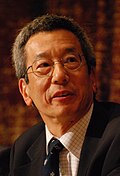
Roger Yonchien Tsien
United States of America
for the discovery and development of the green fluorescent protein, GFP
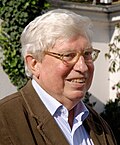
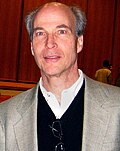
Roger David Kornberg
United States of America
for his studies of the molecular basis of eukaryotic transcription
Robert Howard Grubbs
United States of America
for the development of the metathesis method in organic synthesis
Richard Royce Schrock
United States of America
for the development of the metathesis method in organic synthesis
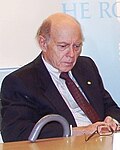
Irwin Rose
United States of America
for the discovery of ubiquitin-mediated protein degradation
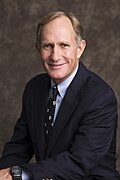
Peter Agre
United States of America
Discovery of channels in cell membranes (identification of aquaporins)
Roderick MacKinnon
United States of America
Discoveries concerning channels in cell membranes (structural and mechanistic studies of ion channels)
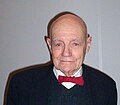
John Bennett Fenn
United States of America
Development of methods for identification and structural analysis of biological macromolecules (development of soft desorption ionisation techniques for mass spectrometric analyses of biological macromolecules)
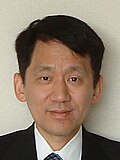
Koichi Tanaka
 Japan
Japan
Development of methods for identification and structural analysis of biological macromolecules (development of soft desorption ionisation techniques for mass spectrometric analyses of biological macromolecules)
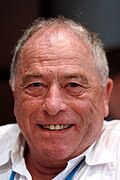
Kurt Wüthrich
Switzerland
Development of methods for identification and structural analysis of biological macromolecules (development of nuclear magnetic resonance spectroscopy for determining the three-dimensional structure of biological macromolecules in solution)
William Standish Knowles
United States of America
for research on chirally catalysed hydrogenation reactions
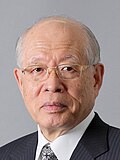
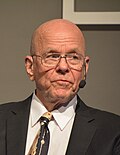
Karl Barry Sharpless
United States of America
for research on chirally catalysed oxidation reactions
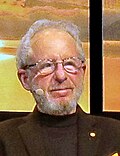
Alan Jay Heeger
United States of America
for the discovery and development of conductive polymers
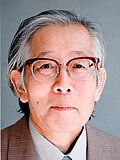
Alan Graham MacDiarmid
United States of America,  New Zealand
for the discovery and development of conductive polymers
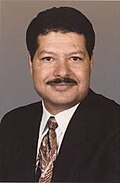
Ahmed Hassan Zewail
United States of America,  Egypt
Egypt
for his studies of the transition states of chemical reactions using femtosecond spectroscopy
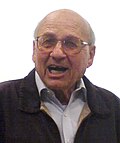

John Anthony Pople
United Kingdom of Great Britain and Northern Ireland
for the development of computational methods in quantum chemistry
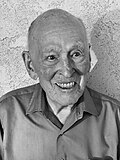
Paul Delos Boyer
United States of America
for the elucidation of the enzymatic mechanism underlying the synthesis of adenosine triphosphate (ATP)
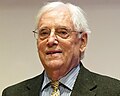
John Ernest Walker
United Kingdom of Great Britain and Northern Ireland
for the elucidation of the enzymatic mechanism underlying the synthesis of adenosine triphosphate (ATP)
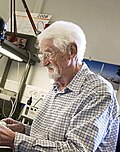
Jens Christian Skou
 Denmark
for the first discovery of an ion-transporting enzyme, Na+, K+-ATPase
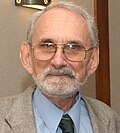
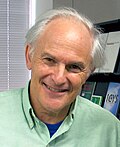
Harold Walter Kroto
United Kingdom of Great Britain and Northern Ireland
for the discovery of fullerenes (C60)
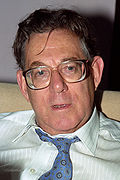
Paul Jozef Crutzen
 Netherlands
for their work in atmospheric chemistry, particularly concerning the formation and decomposition of ozone
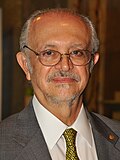
Mario Jose Molina
United States of America
for their work in atmospheric chemistry, particularly concerning the formation and decomposition of ozone
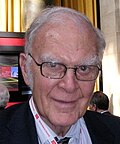
Frank Sherwood Rowland
United States of America
for their work in atmospheric chemistry, particularly concerning the formation and decomposition of ozone
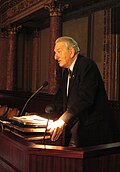
George Andrew Olah
United States of America,  Hungary
for his contribution to carbocation chemistry
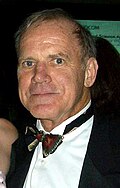
Kary Banks Mullis
United States of America
for his invention of the polymerase chain reaction (PCR) method, a major contribution to DNA-based chemistry
Michael Smith
 Canada
for his fundamental contributions to the establishment of oligonucleotide-based, site-directed mutagenesis and its development for protein studies
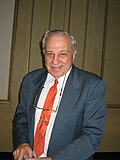
Rudolph Arthur Marcus
United States of America, Canada
for his contributions to the theory of electron transfer reactions in chemical systems
Richard Robert Ernst
Switzerland
for his contributions to the development of the methodology of high-resolution nuclear magnetic resonance (NMR) spectroscopy
Elias James Corey
United States of America
for his development of the theory and methodology of organic synthesis
Sidney Altman
Canada, United States of America
for the discovery of the catalytic properties of RNA
Thomas Robert Cech
United States of America
for the discovery of the catalytic properties of RNA
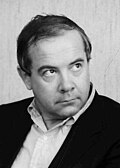
Johann Deisenhofer
 West Germany
for the determination of the three-dimensional structure of a photosynthetic reaction centre
Robert Huber
West Germany
for the determination of the three-dimensional structure of a photosynthetic reaction centre
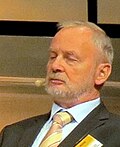
Hartmut Michel
West Germany
for the determination of the three-dimensional structure of a photosynthetic reaction centre
Donald James Cram
United States of America
for their development and use of molecules with structure-specific and highly selective interactions (crown compounds)
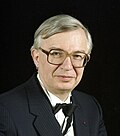
Jean-Marie Lehn
France
for their development and use of molecules with structure-specific and highly selective interactions (crown compounds)
Charles John Pedersen
United States of America
for their development and use of molecules with structure-specific and highly selective interactions (crown compounds)
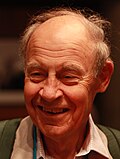
Dudley Robert Herschbach
United States of America
for their contributions concerning the dynamics of chemical elementary processes
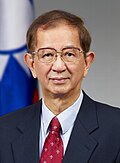
Yuan Tseh Lee
United States of America,  Taiwan, Province of China
for their contributions concerning the dynamics of chemical elementary processes
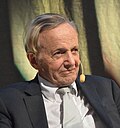
John Charles Polanyi
Canada, Hungary
for their contributions concerning the dynamics of chemical elementary processes
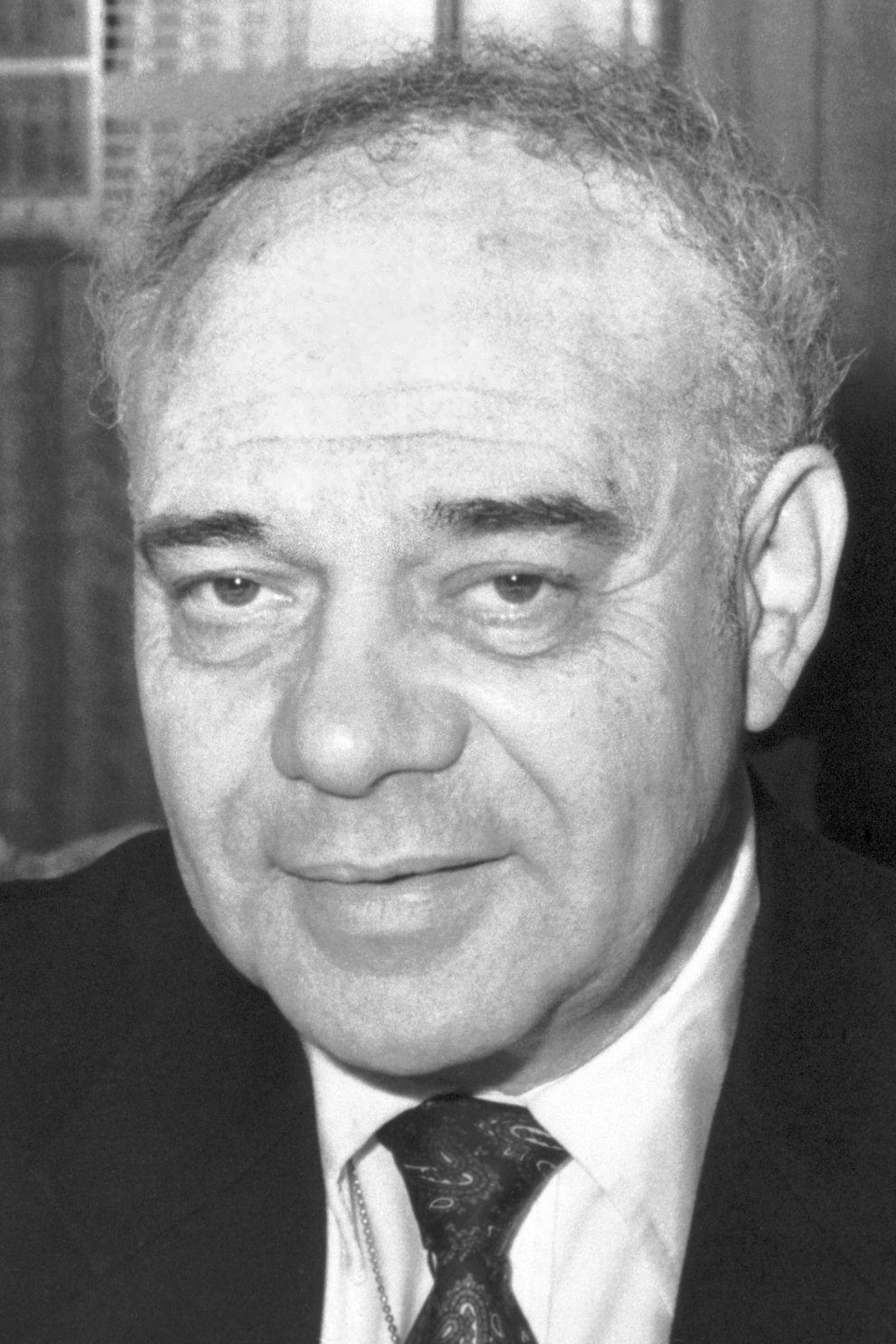
Herbert Aaron Hauptman
United States of America
for the development of direct methods for the determination of crystal structures
Jerome Karle
United States of America
for the development of direct methods for the determination of crystal structures
Robert Bruce Merrifield
United States of America
for his development of methodology for chemical synthesis on a solid matrix
Henry Taube
United States of America
for his work on the mechanisms of electron transfer reactions, especially in metal complexes
Aaron Klug
United Kingdom of Great Britain and Northern Ireland
for his development of crystallographic electron microscopy and his structural elucidation of biologically important nucleic acid-protein complexes
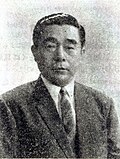
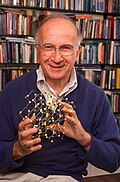
Roald Hoffmann
United States of America,  Poland
for their theories concerning the course of chemical reactions
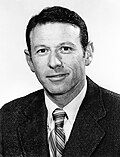
Paul Berg
United States of America
for his fundamental studies of the biochemistry of nucleic acids, with particular regard to recombinant DNA
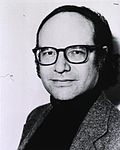
Walter Gilbert
United States of America
for their contributions concerning the determination of base sequences in nucleic acids
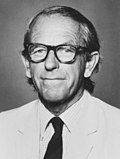
Frederick Sanger
United Kingdom of Great Britain and Northern Ireland
for their contributions concerning the determination of base sequences in nucleic acids
Herbert Charles Brown
United States of America
for the development of the use of boron- and phosphorus-containing compounds into important reagents in organic synthesis (development of new methods in organic synthesis)
Georg Wittig
West Germany
for the development of the use of boron- and phosphorus-containing compounds into important reagents in organic synthesis (development of new methods in organic synthesis)
Peter Dennis Mitchell
United Kingdom of Great Britain and Northern Ireland
for his research on energy conversion in biological membranes
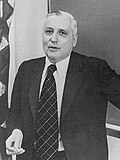
Ilya Prigogine
 Belgium
for his contributions to non-equilibrium thermodynamics, particularly the theory of dissipative structures
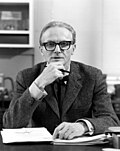
William Nunn Lipscomb, Jr.
United States of America
for his studies on the structure of boranes illuminating problems of chemical bonding
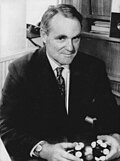
John Warcup Cornforth
 Australia, United Kingdom of Great Britain and Northern Ireland
for his work on the stereochemistry of enzyme-catalyzed reactions
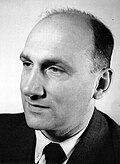
Vladimir Prelog
Switzerland
for his research into the stereochemistry of organic molecules and reactions
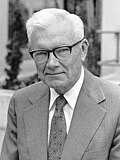
Paul John Flory
United States of America
for his fundamental achievements, both theoretical and experimental, in the physical chemistry of macromolecules
Ernst Otto Fischer
West Germany
for their pioneering work, performed independently, on the chemistry of organometallic, so-called sandwich compounds
Geoffrey Wilkinson
United Kingdom of Great Britain and Northern Ireland
for their pioneering work, performed independently, on the chemistry of organometallic, so-called sandwich compounds
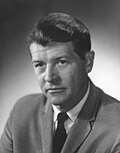
Christian Boehmer Anfinsen
United States of America
Determination of the amino acid sequence of the ribonuclease molecule
Stanford Moore
United States of America
Studies on the structure of the active centre of the ribonuclease molecule
William Howard Stein
United States of America
Studies on the structure of the active centre of the ribonuclease molecule
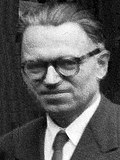
Gerhard Herzberg
Canada, West Germany
for his contributions to the knowledge of the electronic structure and geometry of molecules, particularly free radicals
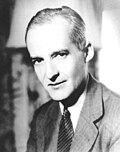
Luis Federico Leloir
 Argentina
for his discovery of sugar nucleotides and their role in the biosynthesis of carbohydrates
Derek Harold Richard Barton
United Kingdom of Great Britain and Northern Ireland
for the development of the concept of conformation and its application in chemistry
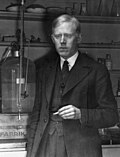
Odd Hassel
 Norway
for the development of the concept of conformation and its application in chemistry
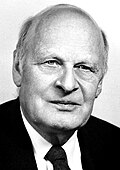
Lars Onsager
United States of America, Norway
for the discovery of the reciprocal relations bearing his name, which are fundamental for the thermodynamics of irreversible processes
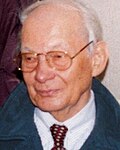
Manfred Eigen
West Germany
for their studies of extremely fast chemical reactions, effected by disturbing the equilibrium by means of very short pulses of energy
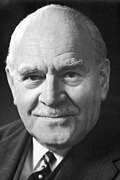
Ronald George Wreyford Norrish
United Kingdom of Great Britain and Northern Ireland
for their studies of extremely fast chemical reactions, effected by disturbing the equilibrium by means of very short pulses of energy
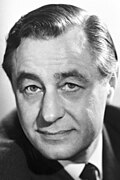
George Porter
United Kingdom of Great Britain and Northern Ireland
for their studies of extremely fast chemical reactions, effected by disturbing the equilibrium by means of very short pulses of energy
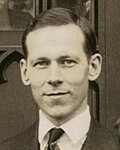
Robert Sanderson Mulliken
United States of America
for his fundamental work concerning chemical bonds and the electronic structure of molecules by the molecular orbital method
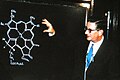
Robert Burns Woodward
United States of America
for his outstanding achievements in the art of organic synthesis
Dorothy Crowfoot Hodgkin
United Kingdom of Great Britain and Northern Ireland
for her determinations by X-ray techniques of the structures of important biochemical substances
Karl Ziegler
West Germany
for the discovery and fundamental studies of polymerization processes using novel catalysts
Giulio Natta
 Italy
Italy
for the discovery and fundamental studies of polymerization processes using novel catalysts
Max Ferdinand Perutz
United Kingdom of Great Britain and Northern Ireland
for their studies of the structures of globular proteins
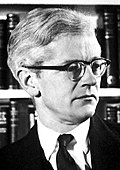
John Cowdery Kendrew
United Kingdom of Great Britain and Northern Ireland
for their studies of the structures of globular proteins
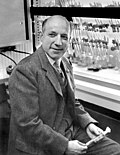
Melvin Calvin
United States of America
for his research on the carbon dioxide assimilation in plants
Willard Frank Libby
United States of America
for his method to use carbon-14 for age determination in archaeology, geology, geophysics, and other branches of science
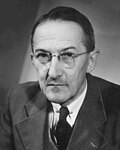
Jaroslav Heyrovský
 Czechoslovakia
for his discovery and development of the polarographic methods of analysis
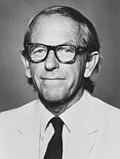
Frederick Sanger
United Kingdom of Great Britain and Northern Ireland
for his work on the structure of proteins, especially that of insulin
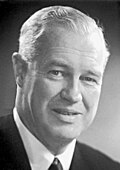
VLord (Alexander Robertus) Todd
United Kingdom of Great Britain and Northern Ireland
for his work on nucleotides and nucleotide co-enzymes
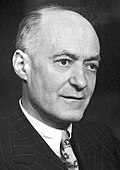
Sir Cyril Norman Hinshelwood
United Kingdom of Great Britain and Northern Ireland
for their researches on the kinetics of gas-phase chemical reactions, in particular chain reactions
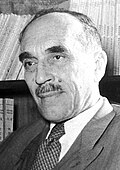
Nikolay Nikolayevich Semyonov
 Soviet Union
for their researches on the kinetics of gas-phase chemical reactions, in particular chain reactions
Vincent du Vigneaud
United States of America
for elucidating the structure and achieving the total synthesis of biologically important sulfur-containing compounds, especially the peptide hormones oxytocin and vasopressin
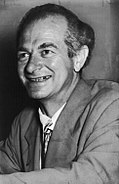
Linus Carl Pauling
United States of America
for his research into the nature of the chemical bond and its application to the elucidation of the structure of complex substances
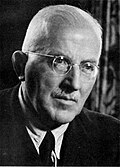
Archer John Porter Martin
United Kingdom of Great Britain and Northern Ireland
for the invention and application of partition chromatography
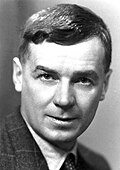
Richard Laurence Millington Synge
United Kingdom of Great Britain and Northern Ireland
for the invention and application of partition chromatography
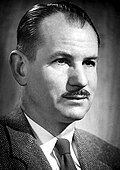
Edwin Mattison McMillan
United States of America
for their discoveries in the chemistry of the transuranium elements
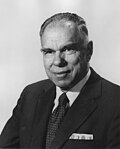
Glenn Theodore Seaborg
United States of America
for their discoveries in the chemistry of the transuranium elements
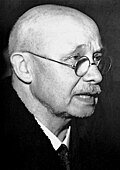
Otto Paul Hermann Diels
West Germany
for the discovery and development of the Diels–Alder reaction (the diene synthesis)
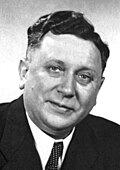
Kurt Alder
West Germany
for the discovery and development of the Diels–Alder reaction (the diene synthesis)
William Francis Giauque
United States of America
for his contributions in the field of chemical thermodynamics, particularly concerning the behaviour of substances at extremely low temperatures
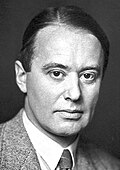
Arne Wilhelm Kaurin Tiselius
Sweden
for his research on electrophoresis and adsorption analysis, especially for his discoveries concerning the complex nature of serum proteins
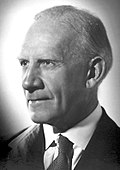
Sir Robert Robinson
United Kingdom of Great Britain and Northern Ireland
for his investigations on plant products of biological importance, especially the alkaloids
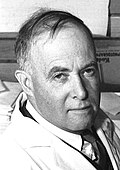
James Batcheller Sumner
United States of America
for the discovery that enzymes can be crystallized
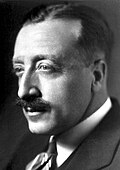
John Howard Northrop
United States of America
for the crystallization of enzymes and virus proteins
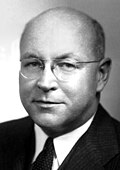
Wendell Meredith Stanley
United States of America
for the crystallization of enzymes and virus proteins
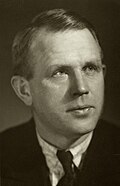
Artturi Ilmari Virtanen
 Finland
for his research and inventions in agricultural and nutrition chemistry, especially for his fodder preservation method
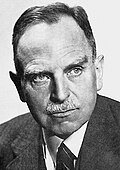
 Greater German Reich
George de Hevesy
 Kingdom of Hungary
for his work on the use of isotopes as tracers in the study of chemical processes
Walter Norman Haworth
United Kingdom of Great Britain and Northern Ireland
for his investigations on carbohydrates and vitamin C
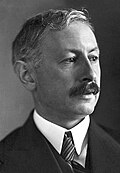
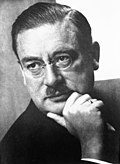
Peter Joseph William Debye
Netherlands
for his contributions to our knowledge of molecular structure through his investigations on dipole moments and on the diffraction of X-rays and electrons in gases
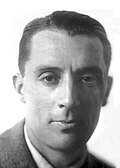
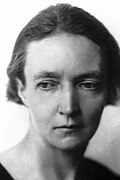
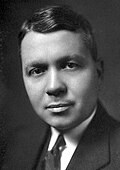
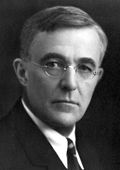
Irving Langmuir
United States of America
for his discoveries and investigations in surface chemistry
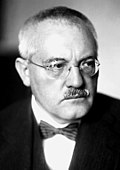
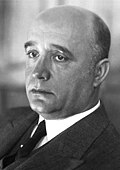
Friedrich Bergius
 German Reich
for the invention and development of chemical high-pressure methods
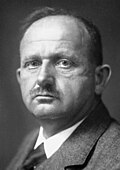
Hans Fischer
German Reich
for his researches into the constitution of haemin and chlorophyll and especially for his synthesis of haemin
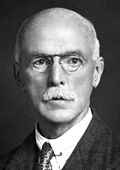
Arthur Harden
United Kingdom of Great Britain and Northern Ireland
for their investigations on the fermentation of sugar and fermentative enzymes
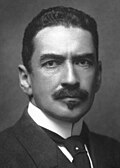
Hans Karl August Simon von Euler-Chelpin
Sweden, German Reich
for their investigations on the fermentation of sugar and fermentative enzymes
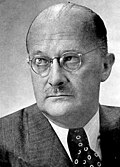
Adolf Otto Reinhold Windaus
German Reich
for his research into the constitution of the sterols and their connection with the vitamins (especially vitamin D)
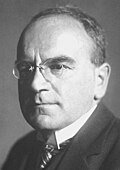
Heinrich Otto Wieland
German Reich
for his investigations of the constitution of the bile acids and related substances
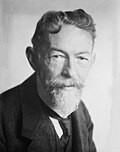
Richard Adolf Zsigmondy
German Reich, Kingdom of Hungary
for his demonstration of the heterogeneous nature of colloid solutions and for the methods he used, which have since become fundamental in modern colloid chemistry
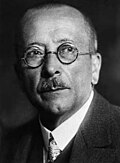
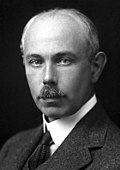
Francis William Aston
United Kingdom of Great Britain and Northern Ireland
for his discovery, by means of his mass spectrograph, of isotopes in a large number of non-radioactive elements and for his enunciation of the whole-number rule
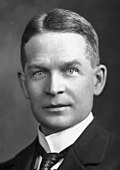
Frederick Soddy
United Kingdom of Great Britain and Northern Ireland
for his contributions to the chemistry of radioactive substances and to the understanding of the origin and nature of isotopes
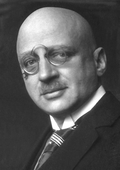
Fritz Haber
 German Empire
for the development of the ammonia synthesis method (Haber-Bosch process)
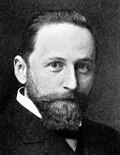
Richard Martin Willstätter
German Empire
for his researches on plant pigments, especially chlorophyll
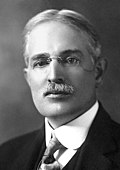
Theodore William Richards
United States of America
for his accurate determinations of the atomic weight of a large number of chemical elements
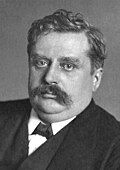
Alfred Werner
Switzerland
for his work on the linkage of atoms in molecules, through which he opened up new fields of research, especially in inorganic chemistry
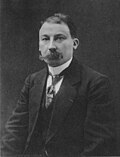
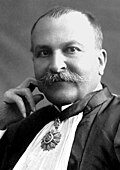
Paul Sabatier
France
for his method of hydrogenating organic compounds in the presence of finely divided metals
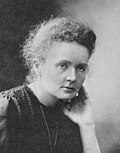
Marie Skłodowska-Curie
 Kingdom of Poland (Congress Poland), France
for the discovery of the elements radium and polonium, the isolation of radium and the study of the nature and compounds of this remarkable element
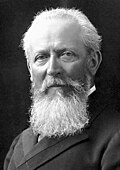
Friedrich Wilhelm Ostwald
German Empire
in recognition of his work on catalysis and for his investigations into the fundamental principles governing chemical equilibria and rates of reaction
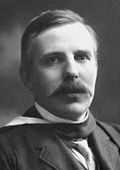
Ernest Rutherford
United Kingdom of Great Britain and Northern Ireland, New Zealand
for his investigations into the disintegration of the elements and the chemistry of radioactive substances
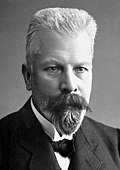
Eduard Buchner
German Empire
for his biochemical researches and his discovery of cell-free fermentation
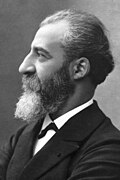
Henri Moissan
France
for his investigation and isolation of the element fluorine and the development of the electric furnace that bears his name
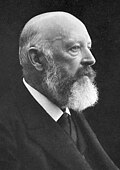
Johann Friedrich Wilhelm Adolf von Baeyer
German Empire
for his work on organic dyes and hydroaromatic compounds
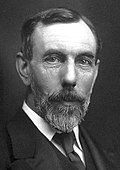
Sir William Ramsay
United Kingdom of Great Britain and Northern Ireland
for the discovery of the inert gaseous elements in air and the determination of their place in the periodic system
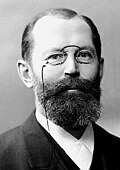
Hermann Emil Fischer
German Empire
for his work on the synthesis of sugars and purine derivatives
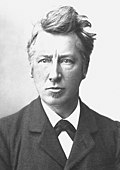
Jacobus Henricus van 't Hoff
Netherlands
for the discovery of the laws of chemical dynamics and osmotic pressure in solutions