
United States of America
406
Laureates
1906~2024
Filter by year
Physiology, Medicine
114 laureates
By Field
Laureates Over Time
All Laureates
John Hopfield
United States of America
for foundational discoveries and inventions that enable machine learning with artificial neural networks
David Baker
United States of America
Development of computational methods for protein design
John M. Jumper
United States of America
Development of programs for protein structure prediction
Victor Ambros
United States of America
for the discovery of microRNA and its role in post-transcriptional gene regulation
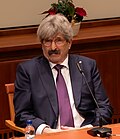
Gary Ruvkun
United States of America
for the discovery of microRNA and its role in post-transcriptional gene regulation
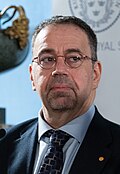
Daron Acemoglu
 Turkey,
United States of America
Turkey,
United States of America
for studies of how institutions are formed and affect prosperity
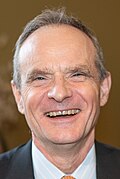
Simon Johnson
 United Kingdom of Great Britain and Northern Ireland,
United States of America
United Kingdom of Great Britain and Northern Ireland,
United States of America
for studies of how institutions are formed and affect prosperity
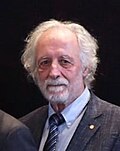
Pierre Agostini
United States of America
(France)
for experimental methods that generate attosecond pulses of light for the study of electron dynamics in matter
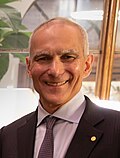
Moungi Bawendi
 Tunisia,
 France,
United States of America
France,
United States of America
for the discovery and synthesis of quantum dots
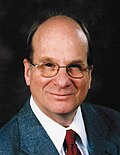
Louis E. Brus
United States of America
for the discovery and synthesis of quantum dots
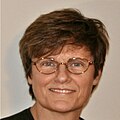
Katalin Karikó
 Hungary,
United States of America
Hungary,
United States of America
for their discoveries concerning nucleoside base modifications that enabled the development of effective mRNA vaccines against COVID-19
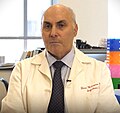
Drew Weissman
United States of America
for their discoveries concerning nucleoside base modifications that enabled the development of effective mRNA vaccines against COVID-19
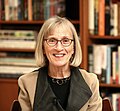
Claudia Goldin
United States of America
for having advanced our understanding of women’s labour market outcomes
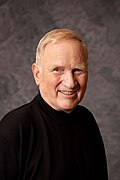
John F. Clauser
United States of America
for experiments with entangled photons, establishing the violation of Bell inequalities and pioneering quantum information science
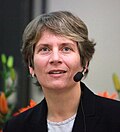
Carolyn R. Bertozzi
United States of America
for the development of click chemistry and bioorthogonal chemistry
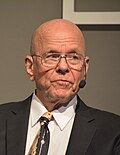
Karl Barry Sharpless
United States of America
for the development of click chemistry and bioorthogonal chemistry
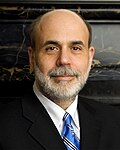
Ben Bernanke
United States of America
for research on banks and financial crises
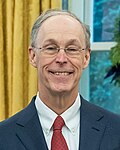
Douglas Diamond
United States of America
for research on banks and financial crises
Philip Dybvig
United States of America
for research on banks and financial crises
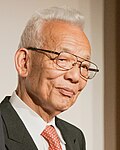
Syukuro Manabe
United States of America
(Japan)
for the physical modelling of Earth’s climate, quantifying variability and reliably predicting global warming
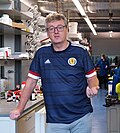
David MacMillan
United Kingdom of Great Britain and Northern Ireland,
United States of America
for the development of asymmetric organocatalysis
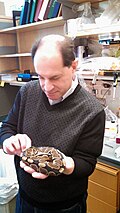
David Julius
United States of America
for the discovery of receptors for temperature and touch
Ardem Patapoutian
United States of America
(Lebanon)
for the discovery of receptors for temperature and touch
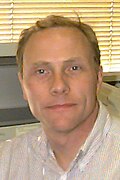
David Card
 Canada,
United States of America
Canada,
United States of America
for his empirical contributions to labour economics
Joshua Angrist
United States of America,
 Israel
for their methodological contributions to the analysis of causal relationships
Guido Imbens
 Netherlands,
United States of America
Netherlands,
United States of America
for their methodological contributions to the analysis of causal relationships
Andrea M. Ghez
United States of America
for the discovery of a supermassive compact object at the centre of our galaxy
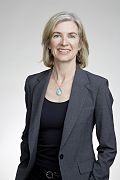
Jennifer Doudna
United States of America
for the development of a method for genome editing (CRISPR/Cas9 genetic scissors)
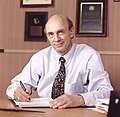
Harvey J. Alter
United States of America
for the discovery of the Hepatitis C virus
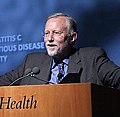
Charles M. Rice
United States of America
for the discovery of the Hepatitis C virus
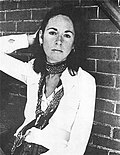
Louise Glück
United States of America
for her unmistakable poetic voice that with austere beauty makes individual existence universal
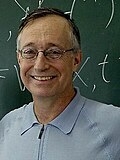
Paul Milgrom
United States of America
for improvements to auction theory and inventions of new auction formats
Robert B. Wilson
United States of America
for improvements to auction theory and inventions of new auction formats
Jim Peebles
United States of America
(Canada)
for theoretical discoveries in physical cosmology
John B. Goodenough
United States of America
for the development of lithium-ion batteries
M. Stanley Whittingham
United Kingdom of Great Britain and Northern Ireland,
United States of America
for the development of lithium-ion batteries
William Kaelin Jr.
United States of America
for their discoveries of how cells sense and adapt to oxygen availability
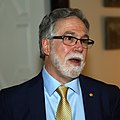
Gregg L. Semenza
United States of America
for their discoveries of how cells sense and adapt to oxygen availability
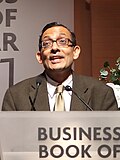
Abhijit Banerjee
United States of America
(India)
for their experimental approach to alleviating global poverty
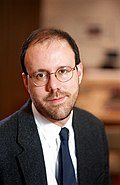
Michael Kremer
United States of America
for their experimental approach to alleviating global poverty
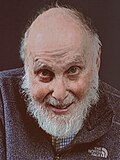
Arthur Ashkin
United States of America
for the development of optical tweezers and their application to biological systems

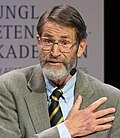
George Smith
United States of America
for the phage display of peptides and antibodies
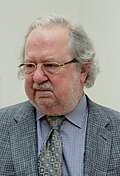
James P. Allison
United States of America
for the discovery of immune-checkpoint inhibitors and their application to cancer therapy
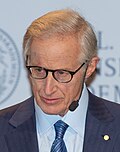
William Nordhaus
United States of America
for integrating climate change into long-run macroeconomic analysis
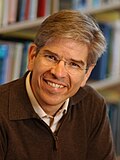
Paul Romer
United States of America
for integrating technological innovations into long-run macroeconomic analysis
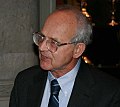
Rainer Weiss
United States of America
(Germany)
for decisive contributions to the LIGO detector and the observation of gravitational waves
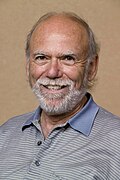
Barry Barish
United States of America
for decisive contributions to the LIGO detector and the observation of gravitational waves
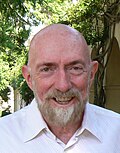
Kip Thorne
United States of America
for decisive contributions to the LIGO detector and the observation of gravitational waves
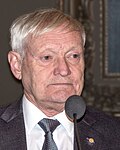
Joachim Frank
 Germany,
United States of America
Germany,
United States of America
for developing cryo-electron microscopy for the high-resolution structure determination of biomolecules in solution
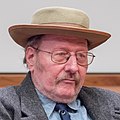
Jeffrey C. Hall
United States of America
for the discovery of molecular mechanisms controlling the circadian rhythm
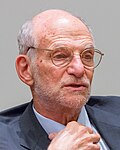
Michael Rosbash
United States of America
for the discovery of molecular mechanisms controlling the circadian rhythm
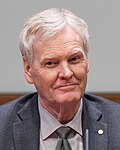
Michael W. Young
United States of America
for the discovery of molecular mechanisms controlling the circadian rhythm
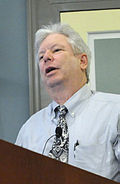
Richard Thaler
United States of America
for his contributions to behavioural economics
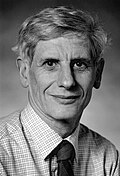
David J. Thouless
United Kingdom of Great Britain and Northern Ireland,
United States of America
for theoretical discoveries of topological phase transitions and topological phases of matter
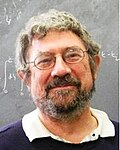
Michael Kosterlitz
United Kingdom of Great Britain and Northern Ireland,
United States of America
for theoretical discoveries of topological phase transitions and topological phases of matter
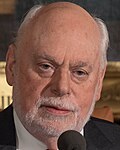
Fraser Stoddart
United Kingdom of Great Britain and Northern Ireland,
United States of America
for the design and synthesis of molecular machines
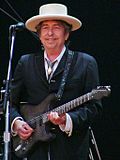
Bob Dylan
United States of America
for having created new poetic expressions within the great American song tradition
Oliver Hart
United Kingdom of Great Britain and Northern Ireland,
United States of America
for their contributions to contract theory
William C. Campbell
 Ireland,
United States of America
Ireland,
United States of America
for their discoveries concerning a novel therapy against infections caused by roundworm parasites
Angus Deaton
United States of America,
United Kingdom of Great Britain and Northern Ireland
for his analysis of consumption, poverty, and welfare
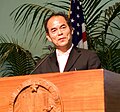
Shuji Nakamura
United States of America
(Japan)
for the invention of efficient blue light-emitting diodes which have enabled bright and energy-saving white light sources
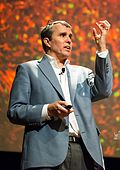
Eric Betzig
United States of America
for the development of super-resolved fluorescence microscopy
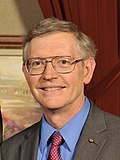
William E. Moerner
United States of America
for the development of super-resolved fluorescence microscopy
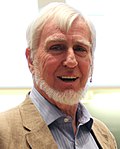
John O'Keefe
United States of America,
United Kingdom of Great Britain and Northern Ireland
for the discovery of cells that constitute a positioning system in the brain
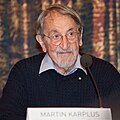
Martin Karplus
United States of America,
 Austria
for the development of multiscale models for complex chemical systems
Michael Levitt
United States of America,
United Kingdom of Great Britain and Northern Ireland,
Israel
for the development of multiscale models for complex chemical systems
Arieh Warshel
United States of America,
Israel
for the development of multiscale models for complex chemical systems
Randy Schekman
United States of America
for the discoveries of the machinery that regulates vesicle traffic, the system that transports proteins to their correct destinations inside cells
James Rothman
United States of America
for the discoveries of the machinery that regulates vesicle traffic, the system that transports proteins to their correct destinations inside cells
Thomas C. Südhof
United States of America
(Germany)
for the discoveries of the machinery that regulates vesicle traffic, the system that transports proteins to their correct destinations inside cells
Eugene Fama
United States of America
for their empirical analysis of asset prices
Lars Peter Hansen
United States of America
for their empirical analysis of asset prices
Robert Shiller
United States of America
for their empirical analysis of asset prices
David J. Wineland
United States of America
for ground-breaking experimental methods that enable measuring and manipulation of individual quantum systems
Robert Joseph Lefkowitz
United States of America
for studies of G-protein-coupled receptors (GPCRs)
Brian Kent Kobilka
United States of America
for studies of G-protein-coupled receptors (GPCRs)
Alvin Roth
United States of America
for the theory of stable allocations and the practice of market design
Lloyd Shapley
United States of America
for the theory of stable allocations and the practice of market design
Saul Perlmutter
United States of America
for the discovery of the accelerating expansion of the Universe through observations of distant supernovae (Astrophys. J.: 517 (1999) 565-586; Astrophys. J.: 507 (1998) 46-63; Astron. J.: 116 (1998) 1009-1038)
Brian Schmidt
 Australia,
United States of America
Australia,
United States of America
for the discovery of the accelerating expansion of the Universe through observations of distant supernovae (Astrophys. J.: 517 (1999) 565-586; Astrophys. J.: 507 (1998) 46-63; Astron. J.: 116 (1998) 1009-1038)
Adam Riess
United States of America
for the discovery of the accelerating expansion of the Universe through observations of distant supernovae (Astrophys. J.: 517 (1999) 565-586; Astrophys. J.: 507 (1998) 46-63; Astron. J.: 116 (1998) 1009-1038)
Bruce Beutler
United States of America
for their discoveries concerning the activation of innate immunity
Thomas Sargent
United States of America
for their empirical research on cause and effect in the macroeconomy
Christopher Sims
United States of America
for their empirical research on cause and effect in the macroeconomy
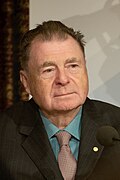
Richard Fred Heck
United States of America
for palladium-catalyzed cross couplings in organic synthesis
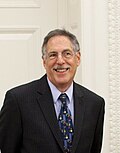
Peter Diamond
United States of America
for their analysis of markets with search frictions
Dale Mortensen
United States of America
for their analysis of markets with search frictions
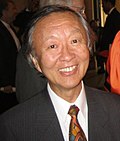
Charles K. Kao
United Kingdom of Great Britain and Northern Ireland,
United States of America
(Taiwan, Province of China)
for groundbreaking achievements concerning the transmission of light in fibers for optical communication
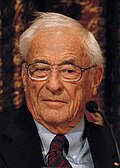
Willard Boyle
United States of America,
Canada
for the invention of an imaging semiconductor circuit – the CCD sensor
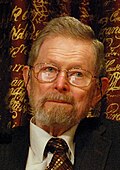
George E. Smith
United States of America
for the invention of an imaging semiconductor circuit – the CCD sensor
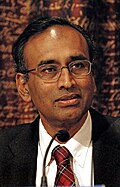
Venkatraman Ramakrishnan
United States of America,
 India,
United Kingdom of Great Britain and Northern Ireland
India,
United Kingdom of Great Britain and Northern Ireland
for studies of the structure and function of the ribosome
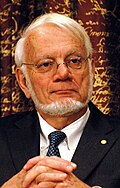
Thomas Arthur Steitz
United States of America
for studies of the structure and function of the ribosome
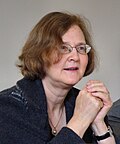
Elizabeth H. Blackburn
United States of America,
Australia
for the discovery of how chromosomes are protected by telomeres and the enzyme telomerase
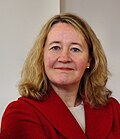
Carol W. Greider
United States of America
for the discovery of how chromosomes are protected by telomeres and the enzyme telomerase
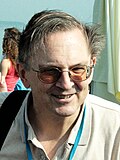
Jack W. Szostak
United States of America
(United Kingdom of Great Britain and Northern Ireland)
for the discovery of how chromosomes are protected by telomeres and the enzyme telomerase
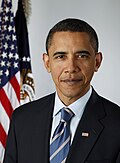
Barack Obama
United States of America
for his extraordinary efforts to strengthen international diplomacy and cooperation between peoples, and for giving people around the world hope for a better future
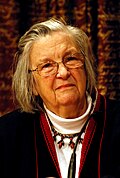
Elinor Ostrom
United States of America
for their analysis of economic governance, especially the commons and the boundaries of the firm
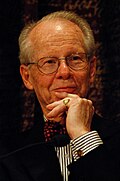
Oliver Williamson
United States of America
for their analysis of economic governance, especially the commons and the boundaries of the firm
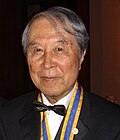
Yoichiro Nambu
United States of America
(Japan)
for the discovery of the mechanism of spontaneous broken symmetry in subatomic physics (Phys. Rev. 117 (1960) 648; Phys. Rev. 122 (1961) 345-358; Phys. Rev. 124 (1961) 246-254)
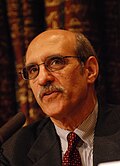
Martin Lee Chalfie
United States of America
for the discovery and development of the green fluorescent protein, GFP
Roger Yonchien Tsien
United States of America
for the discovery and development of the green fluorescent protein, GFP
Paul Krugman
United States of America
for his analysis of trade patterns and location of economic activity
Mario Capecchi
United States of America
for their discoveries of principles for introducing specific gene modifications in mice by the use of embryonic stem cells
Oliver Smithies
United States of America
for their discoveries of principles for introducing specific gene modifications in mice by the use of embryonic stem cells
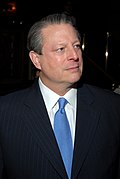
Al Gore
United States of America
for their efforts to build up and disseminate greater knowledge about man-made climate change, and to lay the foundations for the measures that are needed to counteract such change
Leonid Hurwicz
United States of America,
 Poland
for having laid the foundations of mechanism design theory
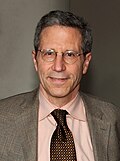
Eric Maskin
United States of America
for having laid the foundations of mechanism design theory
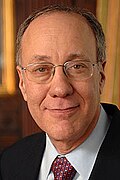
Roger Myerson
United States of America
for having laid the foundations of mechanism design theory
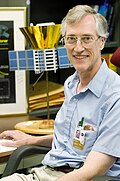
John C. Mather
United States of America
for the discovery of the black-body form and anisotropy of the cosmic microwave background radiation (Astrophys. J. 420 (1994) 439-444; Astrophys. J. 464 (1996) L1-L4)
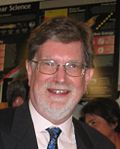
George F. Smoot
United States of America
for the discovery of the black-body form and anisotropy of the cosmic microwave background radiation (Astrophys. J. 420 (1994) 439-444; Astrophys. J. 464 (1996) L1-L4)
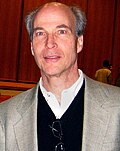
Roger David Kornberg
United States of America
for his studies of the molecular basis of eukaryotic transcription
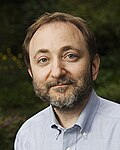
Andrew Fire
United States of America
for the discovery of RNA interference – gene silencing by double-stranded RNA
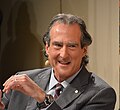
Craig Mello
United States of America
for the discovery of RNA interference – gene silencing by double-stranded RNA
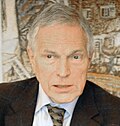
Edmund Phelps
United States of America
for his analysis of intertemporal tradeoffs in macroeconomic policy
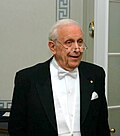
Roy J. Glauber
United States of America
For his contribution to the quantum theory of optical coherence. In a series of papers, including Phys. Rev. Lett. 10 (1963) 84-86, Phys. Rev. 130 (1963) 2529-2539, and Phys. Rev. 131 (1963) 2766-2788, he created a consistent framework that treats light as both particles and waves.
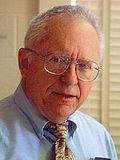
John L. Hall
United States of America
For their contributions to the development of laser-based precision spectroscopy, including the optical frequency comb technique. Through papers such as Science 288 (2000) 635-639, Rev. Sci. Instrum. 72 (2001) 3749-3771, and Phys. Rev. Lett. 87 (2001) 270801, they connected optical frequencies across the visible and infrared ranges to absolute references.
Robert Howard Grubbs
United States of America
for the development of the metathesis method in organic synthesis
Richard Royce Schrock
United States of America
for the development of the metathesis method in organic synthesis
Robert Aumann
United States of America,
Israel
for having enhanced our understanding of conflict and cooperation through game-theory analysis
Thomas Schelling
United States of America
for having enhanced our understanding of conflict and cooperation through game-theory analysis
David J. Gross
United States of America
for the theoretical discovery of asymptotic freedom in the theory of the strong interaction, as reported in a series of papers (Phys. Rev. Lett. 30 (1973) 1343–1346; Phys. Rev. D 8 (1973) 3633–3652; Phys. Rev. D 9 (1974) 980–993; Phys. Rev. Lett. 30 (1973) 1346–1349; Phys. Rep. 14 (1974) 129–180).
H. David Politzer
United States of America
for the theoretical discovery of asymptotic freedom in the theory of the strong interaction, as reported in a series of papers (Phys. Rev. Lett. 30 (1973) 1343–1346; Phys. Rev. D 8 (1973) 3633–3652; Phys. Rev. D 9 (1974) 980–993; Phys. Rev. Lett. 30 (1973) 1346–1349; Phys. Rep. 14 (1974) 129–180).
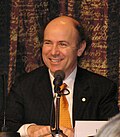
Frank Wilczek
United States of America
for the theoretical discovery of asymptotic freedom in the theory of the strong interaction, as reported in a series of papers (Phys. Rev. Lett. 30 (1973) 1343–1346; Phys. Rev. D 8 (1973) 3633–3652; Phys. Rev. D 9 (1974) 980–993; Phys. Rev. Lett. 30 (1973) 1346–1349; Phys. Rep. 14 (1974) 129–180).
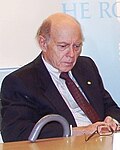
Irwin Rose
United States of America
for the discovery of ubiquitin-mediated protein degradation
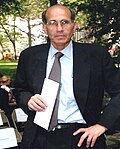
Richard Axel
United States of America
for their discoveries of odorant receptors and the organization of the olfactory system
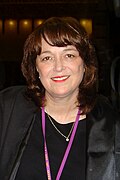
Linda B. Buck
United States of America
for their discoveries of odorant receptors and the organization of the olfactory system
Edward Prescott
United States of America
for their contributions to dynamic macroeconomics: the time consistency of economic policy and the driving forces behind business cycles
Alexei A. Abrikosov
United States of America,
 Russian Federation
for pioneering contributions to the theory of superconductors and superfluids (Sov. Phys. JETP 5 (1957) 1174–1182; Zh. Eksp. Teor. Fiz. 32 (1957) 1442–1452; Zh. Eksp. Teor. Fiz. 20 (1950) 1064–1082; Phys. Rev. 140 (1965) A1869–A1888; Phys. Rev. 147 (1966) 119–130; Phys. Rev. Lett. 29 (1972) 1227–1230; Phys. Rev. Lett. 31 (1973) 352–355; Rev. Mod. Phys. 47 (1975) 331–414; Phys. Rev. Lett. 46 (1981) 211–214)
Anthony J. Leggett
United Kingdom of Great Britain and Northern Ireland,
United States of America
for pioneering contributions to the theory of superconductors and superfluids (Sov. Phys. JETP 5 (1957) 1174–1182; Zh. Eksp. Teor. Fiz. 32 (1957) 1442–1452; Zh. Eksp. Teor. Fiz. 20 (1950) 1064–1082; Phys. Rev. 140 (1965) A1869–A1888; Phys. Rev. 147 (1966) 119–130; Phys. Rev. Lett. 29 (1972) 1227–1230; Phys. Rev. Lett. 31 (1973) 352–355; Rev. Mod. Phys. 47 (1975) 331–414; Phys. Rev. Lett. 46 (1981) 211–214)
Peter Agre
United States of America
Discovery of channels in cell membranes (identification of aquaporins)
Roderick MacKinnon
United States of America
Discoveries concerning channels in cell membranes (structural and mechanistic studies of ion channels)
Paul Lauterbur
United States of America
for their discoveries concerning magnetic resonance imaging
Robert F. Engle
United States of America
for the development of statistical methods to analyze economic time series with time-varying volatility (ARCH) and common trends (cointegration)
Raymond Davis Jr.
United States of America
for pioneering contributions to astrophysics, in particular for the detection of cosmic neutrinos

Riccardo Giacconi
United States of America
for pioneering contributions to astrophysics, which led to the discovery of cosmic X-ray sources
John Bennett Fenn
United States of America
Development of methods for identification and structural analysis of biological macromolecules (development of soft desorption ionisation techniques for mass spectrometric analyses of biological macromolecules)
H. Robert Horvitz
United States of America
for the discoveries concerning genetic regulation of organ development and programmed cell death
Jimmy Carter
United States of America
for his decades of untiring effort to find peaceful solutions to international conflicts, to advance democracy and human rights, and to promote economic and social development
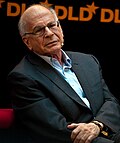
Daniel Kahneman
United States of America,
Israel
for pioneering contributions to behavioural economics and experimental economics by integrating psychological insights into economic science and by establishing laboratory experiments as a fundamental tool for studying market mechanisms
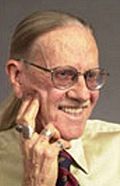
Vernon Smith
United States of America
for pioneering contributions to behavioural economics and experimental economics by integrating psychological insights into economic science and by establishing laboratory experiments as a fundamental tool for studying market mechanisms
Eric A. Cornell
United States of America
for the achievement of Bose–Einstein condensation in dilute gases of alkali atoms and for early fundamental studies of the properties of the condensates (Science 269, 198–201, 1995; Phys. Rev. Lett. 77, 420–423, 1996; Phys. Rev. Lett. 75, 3969–3973, 1995).
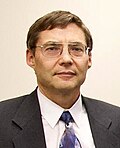
Carl E. Wieman
United States of America
for the achievement of Bose–Einstein condensation in dilute gases of alkali atoms and for early fundamental studies of the properties of the condensates (Science 269, 198–201, 1995; Phys. Rev. Lett. 77, 420–423, 1996; Phys. Rev. Lett. 75, 3969–3973, 1995).
William Standish Knowles
United States of America
for research on chirally catalysed hydrogenation reactions
Karl Barry Sharpless
United States of America
for research on chirally catalysed oxidation reactions
Leland H. Hartwell
United States of America
for their discoveries of key regulators of the cell cycle
George Akerlof
United States of America
for their analyses of markets with asymmetric information
Michael Spence
United States of America
for their analyses of markets with asymmetric information
Joseph E. Stiglitz
United States of America
for their analyses of markets with asymmetric information
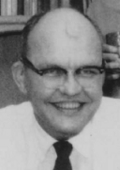
Jack S. Kilby
United States of America
for basic work on information and communication technology (for his part in the invention of the integrated circuit)
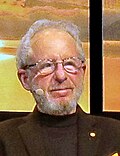
Alan Jay Heeger
United States of America
for the discovery and development of conductive polymers
Alan Graham MacDiarmid
United States of America,
 New Zealand
for the discovery and development of conductive polymers
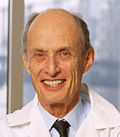
Paul Greengard
United States of America
for their discoveries concerning signal transduction in the nervous system
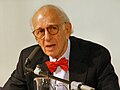
Eric R. Kandel
United States of America
for their discoveries concerning signal transduction in the nervous system
James Heckman
United States of America
for the development of theoretical frameworks and statistical methods that enable the micro-econometric analysis of individual and household consumption behaviour
Daniel McFadden
United States of America
for the development of theoretical frameworks and statistical methods that enable the micro-econometric analysis of individual and household consumption behaviour
Ahmed Hassan Zewail
United States of America,
 Egypt
Egypt
for his studies of the transition states of chemical reactions using femtosecond spectroscopy
Günter Blobel
United States of America
for the discovery that proteins have intrinsic signals that govern their transport and localization in the cell
Robert B. Laughlin
United States of America
for the discovery of a new form of quantum fluid with fractionally charged excitations

Daniel C. Tsui
United States of America
(Taiwan, Province of China)
for the discovery of a new form of quantum fluid with fractionally charged excitations
Walter Kohn
United States of America
for the development of density-functional theory
Robert F. Furchgott
United States of America
for the discovery of nitric oxide as a signalling molecule in the cardiovascular system
Louis J. Ignarro
United States of America
for the discovery of nitric oxide as a signalling molecule in the cardiovascular system
Ferid Murad
United States of America
for the discovery of nitric oxide as a signalling molecule in the cardiovascular system
Steven Chu
United States of America
for the development of methods to cool and trap atoms with laser light
William D. Phillips
United States of America
for the development of methods to cool and trap atoms with laser light
Paul Delos Boyer
United States of America
for the elucidation of the enzymatic mechanism underlying the synthesis of adenosine triphosphate (ATP)
Stanley B. Prusiner
United States of America
for the discovery of Prions – a new biological principle of infection
Jody Williams
United States of America
for their work for the banning and clearing of anti-personnel landmines
Robert C. Merton
United States of America
for "a new method to determine the value of derivatives", the development and theoretical justification of the Black–Scholes option-pricing model
David M. Lee
United States of America
for their discovery of superfluidity in helium-3 (Phys. Rev. Lett. 28, 885–888 (1972); Phys. Rev. Lett. 29, 920–923 (1972); Phys. Rev. A 8, 1633–1637 (1973))
Douglas D. Osheroff
United States of America
for their discovery of superfluidity in helium-3 (Phys. Rev. Lett. 28, 885–888 (1972); Phys. Rev. Lett. 29, 920–923 (1972); Phys. Rev. A 8, 1633–1637 (1973))
Robert C. Richardson
United States of America
for their discovery of superfluidity in helium-3 (Phys. Rev. Lett. 28, 885–888 (1972); Phys. Rev. Lett. 29, 920–923 (1972); Phys. Rev. A 8, 1633–1637 (1973))
Richard Errett Smalley
United States of America
for the discovery of fullerenes (C60)
William Vickrey
United States of America,
Canada
for their fundamental contributions to the economic theory of incentives under asymmetric information
Martin L. Perl
United States of America
Pioneering experimental contributions to lepton physics (discovery of the tau lepton) Phys. Rev. Lett. 35 (1975) 1489–1492, Phys. Lett. B 63 (1976) 466–470
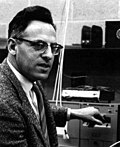
Frederick Reines
United States of America
Pioneering experimental contributions to lepton physics (detection of the neutrino) Science 124 (1956) 103–104
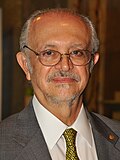
Mario Jose Molina
United States of America
for their work in atmospheric chemistry, particularly concerning the formation and decomposition of ozone
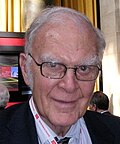
Frank Sherwood Rowland
United States of America
for their work in atmospheric chemistry, particularly concerning the formation and decomposition of ozone
Edward B. Lewis
United States of America
for their discoveries concerning the genetic control of early embryonic development
Eric F. Wieschaus
United States of America
for their discoveries concerning the genetic control of early embryonic development
Robert Lucas Jr.
United States of America
for having developed and applied the rational expectations hypothesis, thereby transforming macroeconomic analysis and deepening our understanding of economic policy since the 1970s
Clifford G. Shull
United States of America
for pioneering contributions to the development of neutron scattering techniques for studies of condensed matter (development of the neutron diffraction technique) Phys. Rev. 76(1949) 1256-1257; Phys. Rev. 81(1951) 527-535; Phys. Rev. 83(1951) 333-345; Rev. Mod. Phys. 25(1953) 100-107; Phys. Rev. 97(1955) 304-310
George Andrew Olah
United States of America,
Hungary
for his contribution to carbocation chemistry
Alfred G. Gilman
United States of America
for their discovery of G-proteins and the role of these proteins in signal transduction in cells
Martin Rodbell
United States of America
for their discovery of G-proteins and the role of these proteins in signal transduction in cells
John Nash
United States of America
for their pioneering analysis of equilibria in the theory of non-cooperative games
Russell A. Hulse
United States of America
for the discovery of a new type of pulsar, a discovery that has opened up new possibilities for the study of gravitation (Astrophys. J. Lett. 195 (1975) L51-L53; Astrophys. J. Lett. 206 (1976) L53-L58; Astrophys. J. 253 (1982) 908-920; Philos. Trans. R. Soc. Lond. A 341 (1992) 117-134; Phys. Rev. D 45 (1992) 1840-1868)
Joseph Hooton Taylor, Jr.
United States of America
for the discovery of a new type of pulsar, a discovery that has opened up new possibilities for the study of gravitation (Astrophys. J. Lett. 195 (1975) L51-L53; Astrophys. J. Lett. 206 (1976) L53-L58; Astrophys. J. 253 (1982) 908-920; Philos. Trans. R. Soc. Lond. A 341 (1992) 117-134; Phys. Rev. D 45 (1992) 1840-1868)
Kary Banks Mullis
United States of America
for his invention of the polymerase chain reaction (PCR) method, a major contribution to DNA-based chemistry
Phillip Allen Sharp
United States of America
for the discovery of split genes
Toni Morrison
United States of America
who in novels characterized by visionary force and poetic import, gives life to an essential aspect of American reality
Robert Fogel
United States of America
for having renewed research in economic history by applying economic theory and quantitative methods to explain economic and institutional change
Douglass North
United States of America
for having renewed research in economic history by applying economic theory and quantitative methods to explain economic and institutional change
Rudolph Arthur Marcus
United States of America,
Canada
for his contributions to the theory of electron transfer reactions in chemical systems
Edmond H. Fischer
 Switzerland,
United States of America
Switzerland,
United States of America
for the discoveries concerning reversible protein phosphorylation as a biological regulatory mechanism
Edwin G. Krebs
United States of America
for the discoveries concerning reversible protein phosphorylation as a biological regulatory mechanism
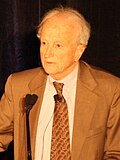
Gary Becker
United States of America
for having extended the domain of microeconomic analysis to a wide range of human behaviour and interaction, including non-market behaviour
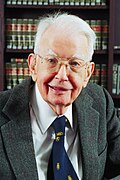
Ronald Coase
United States of America
for his discovery and clarification of the significance of transaction costs and property rights for the institutional structure and functioning of the economy
Jerome I. Friedman
United States of America
for their pioneering investigations concerning deep inelastic scattering of electrons on protons and bound neutrons, which have been of essential importance for the development of the quark model in particle physics
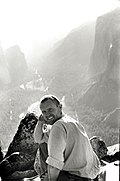
Henry W. Kendall
United States of America
for their pioneering investigations concerning deep inelastic scattering of electrons on protons and bound neutrons, which have been of essential importance for the development of the quark model in particle physics
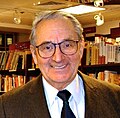
Elias James Corey
United States of America
for his development of the theory and methodology of organic synthesis
Joseph E. Murray
United States of America
for their discoveries concerning organ and cell transplantation in the treatment of human disease
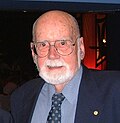
E. Donnall Thomas
United States of America
for their discoveries concerning organ and cell transplantation in the treatment of human disease
Harry Markowitz
United States of America
for the development of general theories that increase the safety of asset formation
Merton Miller
United States of America
for the development of general theories that increase the safety of asset formation
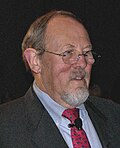
William Sharpe
United States of America
for the development of general theories that increase the safety of asset formation
Norman F. Ramsey
United States of America
for the invention of the separated oscillatory fields method and its application to the hydrogen maser and other atomic clocks (Phys. Rev. 76 (1949) 996; 78 (1950) 695–703; 126 (1962) 603–615, etc.)
Hans G. Dehmelt
United States of America
(German Reich)
for the development of the ion trap technique (Phys. Rev. Lett. 41 (1978) 233-236; Phys. Rev. A 22 (1980) 1137-1140, etc.)
Sidney Altman
Canada,
United States of America
for the discovery of the catalytic properties of RNA
Thomas Robert Cech
United States of America
for the discovery of the catalytic properties of RNA
J. Michael Bishop
United States of America
for the discovery that the oncogenes of retroviruses are of cellular origin
Harold E. Varmus
United States of America
for the discovery that the oncogenes of retroviruses are of cellular origin
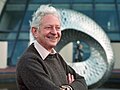
Leon M. Lederman
United States of America
for the neutrino beam method and the demonstration of the doublet structure of the leptons through the discovery of the muon neutrino
Melvin Schwartz
United States of America
for the neutrino beam method and the demonstration of the doublet structure of the leptons through the discovery of the muon neutrino
Jack Steinberger
United States of America
(German Reich)
for the neutrino beam method and the demonstration of the doublet structure of the leptons through the discovery of the muon neutrino
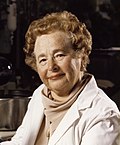
Gertrude B. Elion
United States of America
for their discoveries of important principles for drug treatment
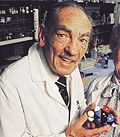
George H. Hitchings
United States of America
for their discoveries of important principles for drug treatment
Donald James Cram
United States of America
for their development and use of molecules with structure-specific and highly selective interactions (crown compounds)
Charles John Pedersen
United States of America
for their development and use of molecules with structure-specific and highly selective interactions (crown compounds)
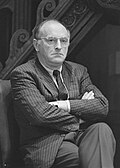
Joseph Brodsky
United States of America
(Soviet Union)
for an all-embracing authorship, imbued with clarity of thought and poetic intensity
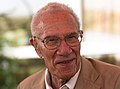
Robert Solow
United States of America
for his contributions to the theory of economic growth
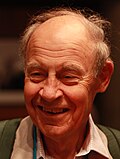
Dudley Robert Herschbach
United States of America
for their contributions concerning the dynamics of chemical elementary processes
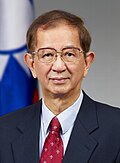
Yuan Tseh Lee
United States of America,
 Taiwan, Province of China
for their contributions concerning the dynamics of chemical elementary processes
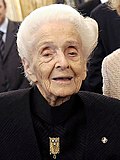
Rita Levi-Montalcini
 Italy,
United States of America
Italy,
United States of America
for their discoveries of growth factors
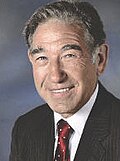
Stanley Cohen
United States of America
for their discoveries of growth factors
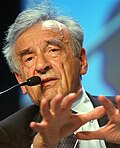
Elie Wiesel
United States of America
for serving as Chair of the Presidential Commission on the Holocaust
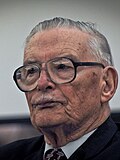
James M. Buchanan
United States of America
for his development of the contractual and constitutional bases for the theory of economic and political decision-making
Herbert Aaron Hauptman
United States of America
for the development of direct methods for the determination of crystal structures
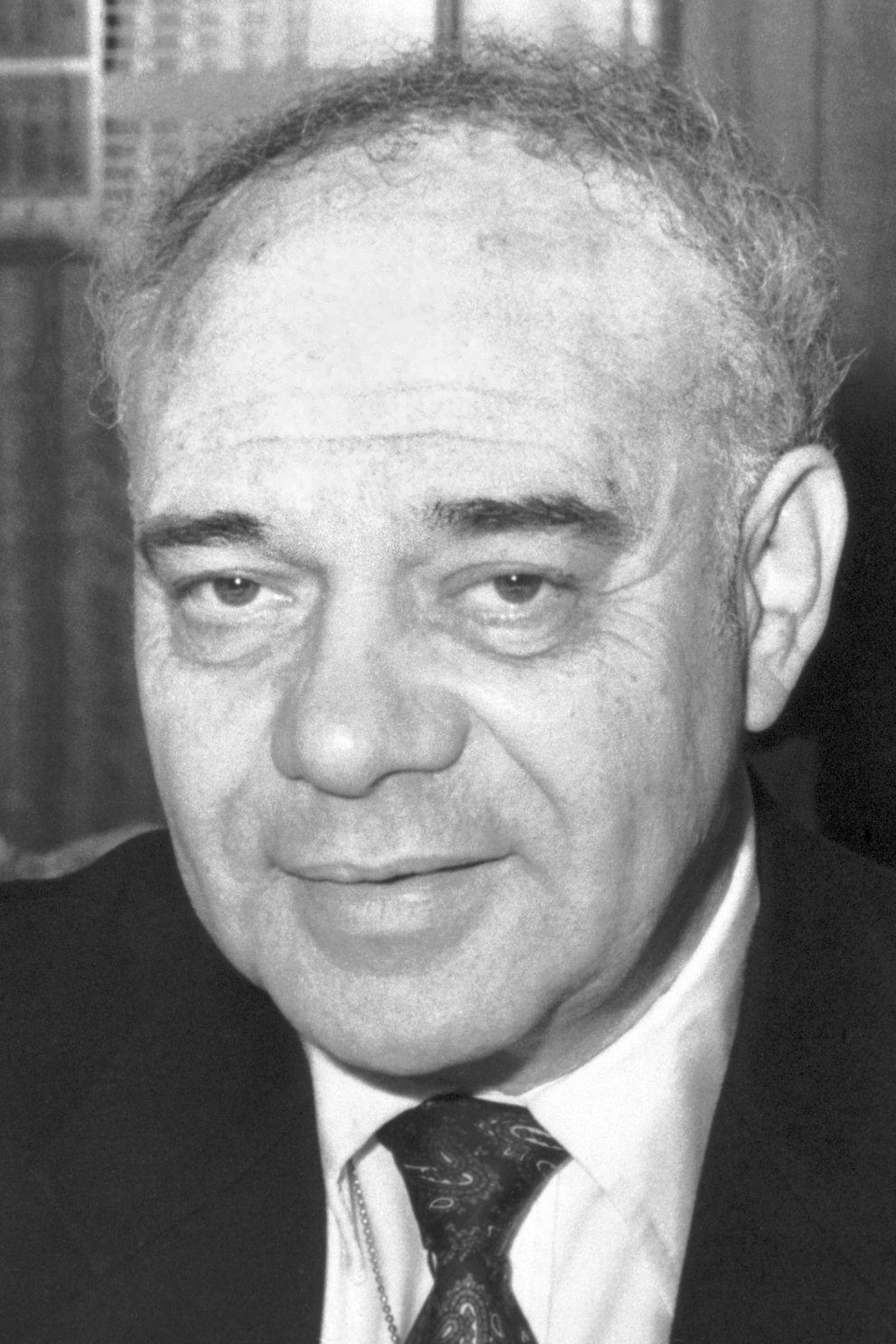
Jerome Karle
United States of America
for the development of direct methods for the determination of crystal structures
Michael Stuart Brown
United States of America
for their discoveries concerning the regulation of cholesterol metabolism
Joseph L. Goldstein
United States of America
for their discoveries concerning the regulation of cholesterol metabolism
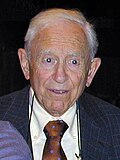
Franco Modigliani
United States of America,
Italy
for his pioneering analyses of saving and of financial markets
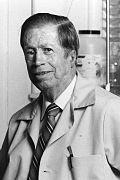
Robert Bruce Merrifield
United States of America
for his development of methodology for chemical synthesis on a solid matrix
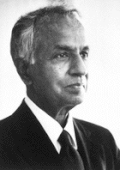
Subrahmanyan Chandrasekhar
United States of America
(India)
for his theoretical studies of the physical processes of importance to the structure and evolution of the stars (Philos. Mag. 11 (1931) 592; Astrophys. J. 74 (1931) 81; Astrophys. J. 96 (1942) 161)
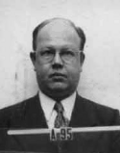
William Alfred Fowler
United States of America
for his theoretical and experimental studies of the nuclear reactions of importance in the formation of the chemical elements in the universe (Rev. Mod. Phys. 29 (1957) 547-650)
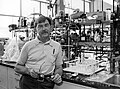
Henry Taube
United States of America
for his work on the mechanisms of electron transfer reactions, especially in metal complexes
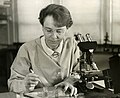
Barbara McClintock
United States of America
for the discovery of mobile genetic elements
Kenneth G. Wilson
United States of America
for his theory for critical phenomena in connection with phase transitions (Phys. Rev. B 4, 3174-3183 (1971); Phys. Rev. B 4, 3184-3205 (1971); Phys. Rev. Lett. 28, 240-243 (1972); Phys. Rev. Lett. 28, 548-551 (1972); Phys. Rep. 12, 75-199 (1974); Rev. Mod. Phys. 47, 773-840 (1975))
George Stigler
United States of America
for his seminal studies of industrial structures, functioning of markets, and the causes and effects of public regulation
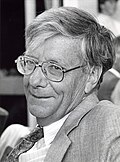
Nicolaas Bloembergen
United States of America
(Netherlands)
for their contribution to the development of laser spectroscopy (Phys. Rev. 104 (1956) 324-327, Phys. Rev. 127 (1962) 1918-1939)
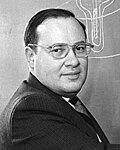
Arthur Leonard Schawlow
United States of America
for their contribution to the development of laser spectroscopy (Phys. Rev. 104 (1956) 324-327, Phys. Rev. 127 (1962) 1918-1939)
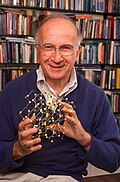
Roald Hoffmann
United States of America,
Poland
for their theories concerning the course of chemical reactions
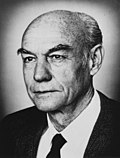
Roger Wolcott Sperry
United States of America
for discoveries concerning the functional specialization of the cerebral hemispheres
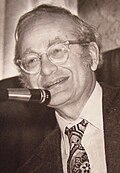
David H. Hubel
United States of America
(Canada)
for discoveries concerning information processing in the visual system
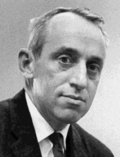
James Tobin
United States of America
for his analysis of financial markets and their relations to expenditure decisions, employment, production and prices
James Cronin
United States of America
for the discovery of violations of fundamental symmetry principles in the decay of neutral K-mesons
Val Logsdon Fitch
United States of America
for the discovery of violations of fundamental symmetry principles in the decay of neutral K-mesons
Paul Berg
United States of America
for his fundamental studies of the biochemistry of nucleic acids, with particular regard to recombinant DNA
Walter Gilbert
United States of America
for their contributions concerning the determination of base sequences in nucleic acids
Baruj Benacerraf
United States of America
for their discoveries concerning genetically determined structures on the cell surface that regulate immunological reactions
George Davis Snell
United States of America
for their discoveries concerning genetically determined structures on the cell surface that regulate immunological reactions
Lawrence Klein
United States of America
for the creation of econometric models and their application to the analysis of economic fluctuations and economic policies
Sheldon Lee Glashow
United States of America
for their contributions to the theory of the unified weak and electromagnetic interaction between elementary particles, in particular the prediction of the weak neutral current
Steven Weinberg
United States of America
for their contributions to the theory of the unified weak and electromagnetic interaction between elementary particles, in particular the prediction of the weak neutral current
Herbert Charles Brown
United States of America
for the development of the use of boron- and phosphorus-containing compounds into important reagents in organic synthesis (development of new methods in organic synthesis)
Allan McLeod Cormack
United States of America
(South Africa)
for the development of computer assisted tomography (CT)
Theodore Schultz
United States of America
for their pioneering research into economic development with particular consideration of the problems of developing countries
Arno Allan Penzias
United States of America
(German Reich)
for their discovery of cosmic microwave background radiation (Astrophys. J. 142 (1965) 419)
Robert Woodrow Wilson
United States of America
for their discovery of cosmic microwave background radiation (Astrophys. J. 142 (1965) 419)
Daniel Nathans
United States of America
for the discovery of restriction enzymes and their application to problems of molecular genetics
Hamilton O. Smith
United States of America
for the discovery of restriction enzymes and their application to problems of molecular genetics
Isaac Bashevis Singer
United States of America,
Poland
for his impassioned narrative art which, with roots in a Polish-Jewish cultural tradition, brings universal human conditions to life
Herbert A. Simon
United States of America
for his pioneering research into the decision-making process within economic organizations
Philip Warren Anderson
United States of America
for their fundamental theoretical investigations of the electronic structure of magnetic and disordered systems
John Hasbrouck Van Vleck
United States of America
for their fundamental theoretical investigations of the electronic structure of magnetic and disordered systems
Roger Guillemin
United States of America
(France)
for their discoveries concerning the peptide hormone production of the brain
Andrew Schally
United States of America
(Poland)
for their discoveries concerning the peptide hormone production of the brain
Rosalyn Sussman Yalow
United States of America
for the development of radioimmunoassays of peptide hormones
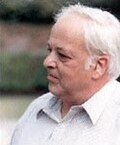
Burton Richter
United States of America
for their pioneering work leading to the discovery of a new, heavy elementary particle, the J/ψ meson (Phys. Rev. Lett. 33 (1974) 1404-1406, 1406-1408, 1408-1410 and related papers; early hint in Phys. Rev. Lett. 25 (1970) 1523-1526).
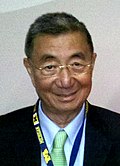
Samuel Chao Chung Ting
United States of America
for their pioneering work leading to the discovery of a new, heavy elementary particle, the J/ψ meson (Phys. Rev. Lett. 33 (1974) 1404-1406, 1406-1408, 1408-1410 and related papers; early hint in Phys. Rev. Lett. 25 (1970) 1523-1526).
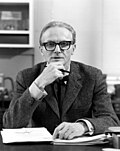
William Nunn Lipscomb, Jr.
United States of America
for his studies on the structure of boranes illuminating problems of chemical bonding
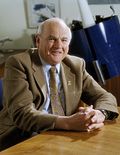
Baruch Samuel Blumberg
United States of America
for their discoveries concerning new mechanisms for the origin and dissemination of infectious diseases
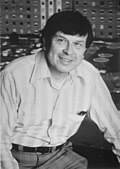
Daniel Carleton Gajdusek
United States of America
for their discoveries concerning new mechanisms for the origin and dissemination of infectious diseases
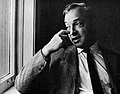
Saul Bellow
United States of America
(Canada)
for the human understanding and subtle analysis of contemporary culture that are combined in his work
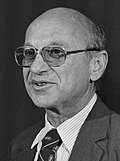
Milton Friedman
United States of America
for his achievements in the fields of consumption analysis, monetary history and theory and for his demonstration of the complexity of stabilization policy

Leo James Rainwater
United States of America
for the discovery of the connection between collective motion and particle motion in atomic nuclei and the development of the theory of the structure of the atomic nucleus based on this connection
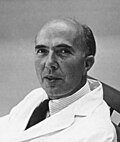
Renato Dulbecco
United States of America
(Italy)
for their discoveries concerning the interaction between tumour viruses and the genetic material of the cell
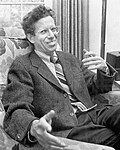
Howard Martin Temin
United States of America
for their discoveries concerning the interaction between tumour viruses and the genetic material of the cell
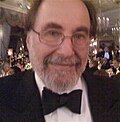
David Baltimore
United States of America
for their discoveries concerning the interaction between tumour viruses and the genetic material of the cell
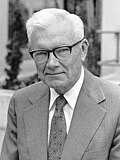
Paul John Flory
United States of America
for his fundamental achievements, both theoretical and experimental, in the physical chemistry of macromolecules
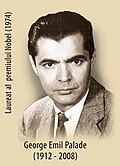
George Emil Palade
United States of America
(Romania)
for their discoveries concerning the structural and functional organization of the cell
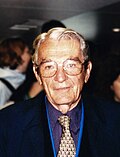
Ivar Giaever
United States of America
(Norway)
for their experimental discoveries regarding tunneling phenomena in semiconductors and in superconductors, respectively (Phys. Rev. Lett. 5 (1960) 147-148; 464-466)
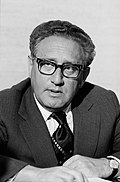
Henry Kissinger
United States of America
for having jointly negotiated a ceasefire in Vietnam in 1973
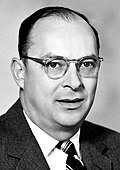
John Bardeen
United States of America
for their jointly developed theory of superconductivity, usually called the BCS theory (Phys. Rev. 108, 1175-1204, 1957)
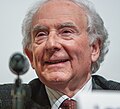
Leon Neil Cooper
United States of America
for their jointly developed theory of superconductivity, usually called the BCS theory (Phys. Rev. 108, 1175-1204, 1957)
John Robert Schrieffer
United States of America
for their jointly developed theory of superconductivity, usually called the BCS theory (Phys. Rev. 108, 1175-1204, 1957)
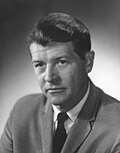
Christian Boehmer Anfinsen
United States of America
Determination of the amino acid sequence of the ribonuclease molecule
Stanford Moore
United States of America
Studies on the structure of the active centre of the ribonuclease molecule
William Howard Stein
United States of America
Studies on the structure of the active centre of the ribonuclease molecule
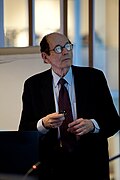
Gerald Edelman
United States of America
for the discoveries concerning the chemical structure of antibodies
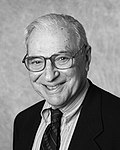
Kenneth Arrow
United States of America
for their pioneering contributions to general economic equilibrium theory and welfare theory
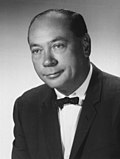
Earl Wilbur Sutherland Jr.
United States of America
for his discoveries concerning the mechanisms of the action of hormones
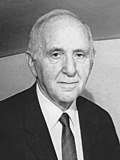
Simon Kuznets
United States of America
for his empirically founded interpretation of economic growth which has led to new and deepened insight into the economic and social structure and process of development
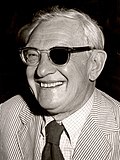
Julius Axelrod
United States of America
for their discoveries concerning the humoral transmitters in the nerve terminals and the mechanisms for their storage, release and inactivation
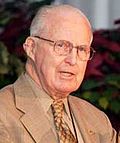
Norman Borlaug
United States of America
for his efforts to alleviate the world food shortage through the Green Revolution
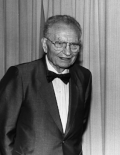
Paul Samuelson
United States of America
for the scientific work through which he has developed static and dynamic economic theory and actively contributed to raising the level of analysis in economic science
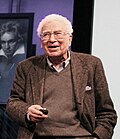
Murray Gell-Mann
United States of America
for his contributions and discoveries concerning the classification of elementary particles and their interactions (Phys. Rev. 92 (1953) 833-834, Phys. Rev. 125 (1962) 1067-1084, Phys. Lett. 8 (1964) 214-215)
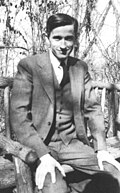
Max Delbrück
United States of America
(Germany)
for their discoveries concerning the replication mechanism and the genetic structure of viruses
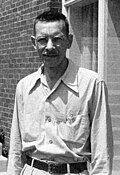
Alfred Hershey
United States of America
for their discoveries concerning the replication mechanism and the genetic structure of viruses
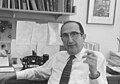
Salvador Luria
United States of America
(Italy)
for their discoveries concerning the replication mechanism and the genetic structure of viruses
Luis Walter Alvarez
United States of America
for his decisive contributions to elementary particle physics, in particular the discovery of a large number of resonance states made possible through his development of the technique of using hydrogen bubble chamber and data analysis
Lars Onsager
United States of America,
 Norway
for the discovery of the reciprocal relations bearing his name, which are fundamental for the thermodynamics of irreversible processes
Robert W. Holley
United States of America
for their interpretation of the genetic code and its function in protein synthesis
Har Gobind Khorana
United States of America
(British Indian Empire)
for their interpretation of the genetic code and its function in protein synthesis
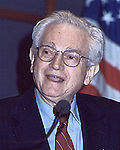
Marshall Warren Nirenberg
United States of America
for their interpretation of the genetic code and its function in protein synthesis
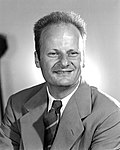
Hans Albrecht Bethe
United States of America
for his contributions to the theory of nuclear reactions, especially his discoveries concerning the energy production in stars
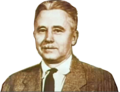
Haldan Keffer Hartline
United States of America
for their discoveries concerning the primary physiological and chemical visual processes in the eye
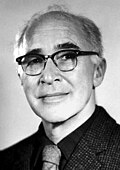
George Wald
United States of America
for their discoveries concerning the primary physiological and chemical visual processes in the eye
Robert Sanderson Mulliken
United States of America
for his fundamental work concerning chemical bonds and the electronic structure of molecules by the molecular orbital method
Francis Peyton Rous
United States of America
discovery of tumour-inducing viruses
Charles Brenton Huggins
United States of America
(Canada)
discoveries concerning hormonal treatment of prostatic cancer
Julian Schwinger
United States of America
for their fundamental work in quantum electrodynamics, with deep-ploughing consequences for the physics of elementary particles
Richard P. Feynman
United States of America
for their fundamental work in quantum electrodynamics, with deep-ploughing consequences for the physics of elementary particles
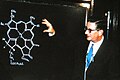
Robert Burns Woodward
United States of America
for his outstanding achievements in the art of organic synthesis
Charles Hard Townes
United States of America
for fundamental work in the field of quantum electronics, which has led to the construction of oscillators and amplifiers based on the maser-laser principle
Konrad Emil Bloch
United States of America
(Germany)
for their discoveries concerning the mechanism and regulation of cholesterol and fatty acid metabolism
Martin Luther King Jr.
United States of America
for his non-violent struggle to end racial prejudice in the United States
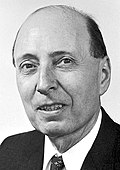
Eugene Paul Wigner
United States of America
(Kingdom of Hungary)
for his contributions to the theory of the atomic nucleus and the elementary particles, particularly through the discovery and application of fundamental symmetry principles
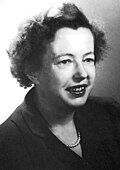
Maria Goeppert-Mayer
United States of America
for their discoveries concerning nuclear shell structure
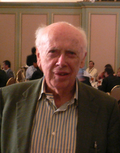
James Dewey Watson
United States of America
for their discoveries concerning the molecular structure of nucleic acids and its significance for information transfer in living material
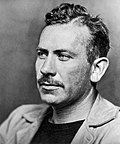
John Steinbeck
United States of America
for his realistic and imaginative writings, combining as they do sympathetic humour and keen social perception
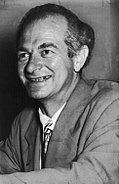
Linus Pauling
United States of America
for his fight against the nuclear arms race between East and West and for leading an international movement demanding a halt to nuclear testing and the pursuit of disarmament
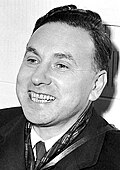
Robert Hofstadter
United States of America
for his pioneering studies of electron scattering in atomic nuclei and the resulting discoveries concerning the structure of the nucleons (Phys. Rev. Lett. 5 (1960) 263–265; Phys. Rev. Lett. 6 (1961) 293–296)
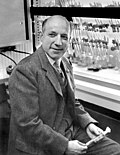
Melvin Calvin
United States of America
for his research on the carbon dioxide assimilation in plants
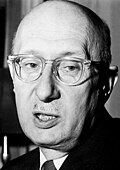
Georg von Békésy
United States of America
(Kingdom of Hungary)
for his discoveries of the physical mechanism of stimulation within the cochlea
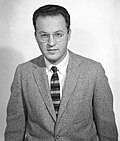
Donald Arthur Glaser
United States of America
for the invention of the bubble chamber, Phys. Rev. 87 (1952) 665-665
Willard Frank Libby
United States of America
for his method to use carbon-14 for age determination in archaeology, geology, geophysics, and other branches of science
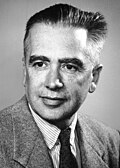
Emilio Gino Segrè
United States of America
for the discovery of the antiproton (Phys. Rev. 100 (1955) 947-950)
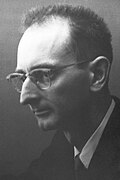
Owen Chamberlain
United States of America
for the discovery of the antiproton (Phys. Rev. 100 (1955) 947-950)
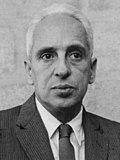
Severo Ochoa de Albornoz
United States of America
(Spain)
for their discovery of the mechanisms in the biological synthesis of ribonucleic acid and deoxyribonucleic acid
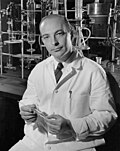
Arthur Kornberg
United States of America
for their discovery of the mechanisms in the biological synthesis of ribonucleic acid and deoxyribonucleic acid
George Wells Beadle
United States of America
for their discovery that genes act by regulating definite chemical events
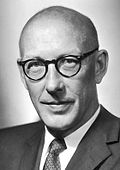
Edward Lawrie Tatum
United States of America
for their discovery that genes act by regulating definite chemical events
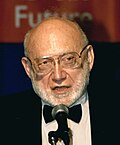
Joshua Lederberg
United States of America
for his discoveries concerning genetic recombination and the organization of the genetic material of bacteria
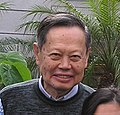
Chen Ning Yang
United States of America
(Taiwan, Province of China)
for their penetrating investigation of the so-called parity laws, which led to important discoveries regarding elementary particles (Phys. Rev. 104 (1956) 254-258; Phys. Rev. 106 (1957) 340-345; Phys. Rev. 105 (1957) 1413-1417)
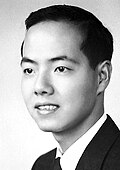
Tsung-Dao Lee
United States of America
(Taiwan, Province of China)
for their penetrating investigation of the so-called parity laws, which led to important discoveries regarding elementary particles (Phys. Rev. 104 (1956) 254-258; Phys. Rev. 106 (1957) 340-345; Phys. Rev. 105 (1957) 1413-1417)
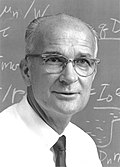
William Bradford Shockley
United States of America
for their researches on semiconductors and their discovery of the transistor effect
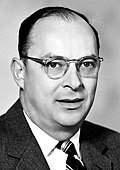
John Bardeen
United States of America
for their researches on semiconductors and their discovery of the transistor effect
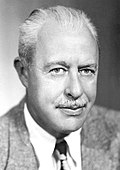
Walter Houser Brattain
United States of America
for their researches on semiconductors and their discovery of the transistor effect
André Frédéric Cournand
United States of America
for their discoveries concerning heart catheterization and pathological changes in the circulatory system
Dickinson W. Richards
United States of America
for their discoveries concerning heart catheterization and pathological changes in the circulatory system
Willis Eugene Lamb
United States of America
for his discoveries concerning the fine structure of the hydrogen spectrum
Polykarp Kusch
United States of America
for his precision determination of the magnetic moment of the electron
Vincent du Vigneaud
United States of America
for elucidating the structure and achieving the total synthesis of biologically important sulfur-containing compounds, especially the peptide hormones oxytocin and vasopressin
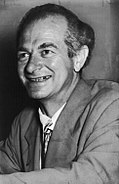
Linus Carl Pauling
United States of America
for his research into the nature of the chemical bond and its application to the elucidation of the structure of complex substances
John Franklin Enders
United States of America
for the discovery of the ability of poliomyelitis viruses to grow in cultures of various types of tissue
Thomas Huckle Weller
United States of America
for the discovery of the ability of poliomyelitis viruses to grow in cultures of various types of tissue
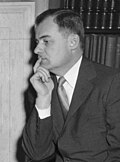
Frederick Chapman Robbins
United States of America
for the discovery of the ability of poliomyelitis viruses to grow in cultures of various types of tissue
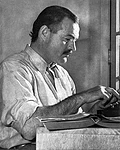
Ernest Hemingway
United States of America
for his mastery of the art of narrative, most recently demonstrated in The Old Man and the Sea, and for the influence that he has exerted on contemporary style
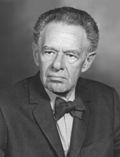
Fritz Albert Lipmann
United States of America
(Germany)
for the discovery of co-enzyme A and its importance for intermediary metabolism
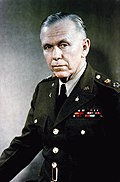
George C. Marshall
United States of America
for proposing and supervising the Marshall Plan for the economic recovery of Europe
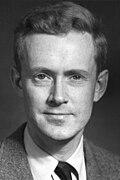
Edward Mills Purcell
United States of America
for their development of new methods for nuclear magnetic precision measurements and discoveries in connection therewith
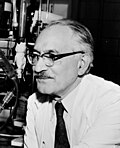
Selman Waksman
United States of America
(Ukraine)
for his discovery of streptomycin, the first antibiotic effective against tuberculosis
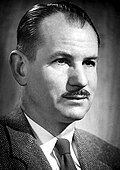
Edwin Mattison McMillan
United States of America
for their discoveries in the chemistry of the transuranium elements
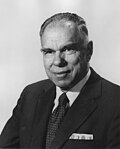
Glenn Theodore Seaborg
United States of America
for their discoveries in the chemistry of the transuranium elements
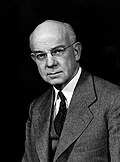
Edward Calvin Kendall
United States of America
for their discoveries relating to the hormones of the adrenal cortex, their structure and biological effects
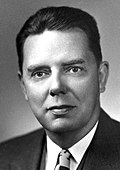
Philip Showalter Hench
United States of America
for their discoveries relating to the hormones of the adrenal cortex, their structure and biological effects
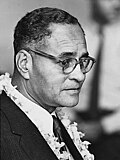
Ralph Bunche
United States of America
for his successful mediation in Palestine and his contribution to the armistice negotiations between the Arab states and Israel
William Francis Giauque
United States of America
for his contributions in the field of chemical thermodynamics, particularly concerning the behaviour of substances at extremely low temperatures
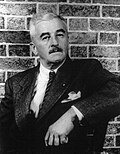
William Faulkner
United States of America
for his powerful and artistically unique contribution to the modern American novel
Carl Ferdinand Cori
United States of America
(Czechoslovakia)
for their discovery of the course of the catalytic conversion of glycogen
Gerty Theresa Cori
United States of America
(Czechoslovakia)
for their discovery of the course of the catalytic conversion of glycogen

American Friends Service Committee
United States of America
for their pioneering work in the international peace movement and compassionate effort to relieve human suffering, thereby promoting the fraternity between nations
Percy Williams Bridgman
United States of America
for the invention of an apparatus to produce extremely high pressures, and for the discoveries he made therewith in the field of high pressure physics
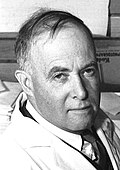
James Batcheller Sumner
United States of America
for the discovery that enzymes can be crystallized
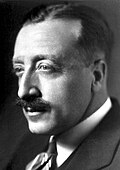
John Howard Northrop
United States of America
for the crystallization of enzymes and virus proteins
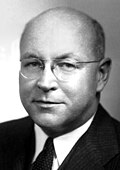
Wendell Meredith Stanley
United States of America
for the crystallization of enzymes and virus proteins
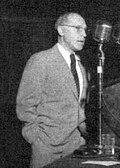
Hermann Joseph Muller
United States of America
for the discovery of the production of mutations by means of X-ray irradiation
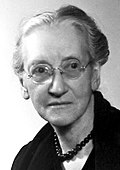
Emily Greene Balch
United States of America
as Honorary International President of the Women's International League for Peace and Freedom
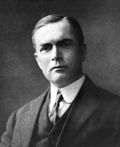
John Raleigh Mott
United States of America
as President of the Young Men's Christian Association
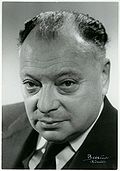
Wolfgang Pauli
United States of America
(Austro-Hungarian Empire)
for the discovery of the Exclusion Principle, also called the Pauli Principle (original paper: Zeitschrift für Physik 31 (1925) 765-783)
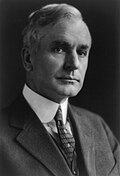
Cordell Hull
United States of America
for his pivotal role in drafting the United Nations Charter and his indefatigable work for international understanding
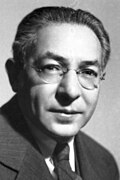
Isidor Isaac Rabi
United States of America
(Austro-Hungarian Empire)
for his resonance method for recording the magnetic properties of atomic nuclei
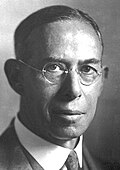
Joseph Erlanger
United States of America
for their discoveries relating to the highly differentiated functions of single nerve fibres
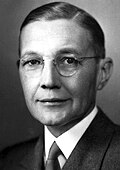
Herbert Spencer Gasser
United States of America
for their discoveries relating to the highly differentiated functions of single nerve fibres
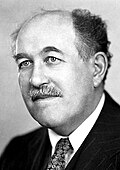
Otto Stern
United States of America
for his contribution to the development of the molecular ray method and his discovery of the magnetic moment of the proton
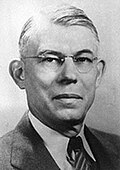
Edward Adelbert Doisy
United States of America
for the discovery of the chemical nature of vitamin K
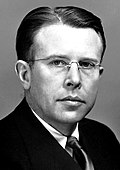
Ernest Orlando Lawrence
United States of America
for the invention and development of the cyclotron and for the results obtained with it, especially with regard to artificial radioactive elements
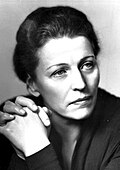
Pearl S. Buck
United States of America
for her rich and truly epic descriptions of peasant life in China and for her biographical masterpieces
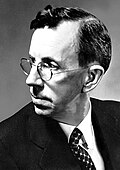
Clinton Joseph Davisson
United States of America
for their experimental discovery of the diffraction of electrons by crystals
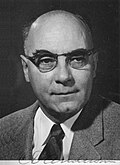
Carl David Anderson
United States of America
for the discovery of the positron (Phys. Rev.:43(1933) 491-498; Phys. Rev.:44(1933) 406-423)
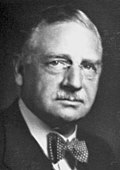
Otto Loewi
United States of America
(Germany, Austria)
for their discoveries relating to chemical transmission of nerve impulses
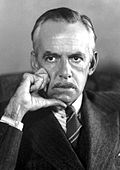
Eugene O'Neill
United States of America
for the power, honesty and deep-felt emotions of his dramatic works, which embody an original concept of tragedy
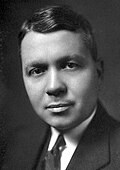
Harold Clayton Urey
United States of America
for the discovery of heavy hydrogen (deuterium)
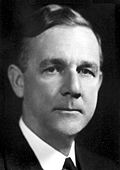
George Hoyt Whipple
United States of America
for their discoveries concerning liver therapy in cases of anaemia
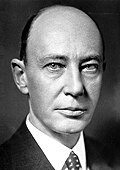
George Richards Minot
United States of America
for their discoveries concerning liver therapy in cases of anaemia
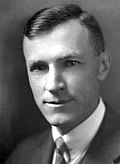
William Parry Murphy
United States of America
for their discoveries concerning liver therapy in cases of anaemia
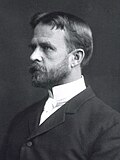
Thomas Hunt Morgan
United States of America
for his discoveries concerning the role played by the chromosome in heredity
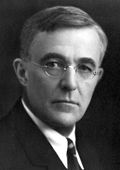
Irving Langmuir
United States of America
for his discoveries and investigations in surface chemistry
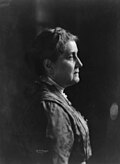
Jane Addams
United States of America
for her leadership of the Women's International League for Peace and Freedom and her pioneering social reforms
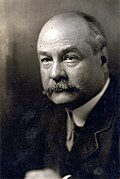
Nicholas Murray Butler
United States of America
for promoting the conclusion of the Kellogg-Briand Pact and for his leadership in the peace movement in the United States
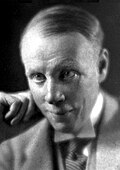
Sinclair Lewis
United States of America
for his vigorous and graphic art of description and his ability to create, with wit and humour, new types of characters
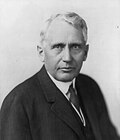
Frank B. Kellogg
United States of America
for his crucial role in bringing about the Briand–Kellogg Pact
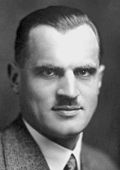
Arthur Holly Compton
United States of America
for his discovery of the Compton effect, named after him
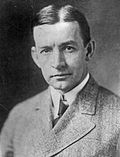
Charles G. Dawes
United States of America
for his crucial role in bringing about the Dawes Plan to stabilize and recover Germany’s economy
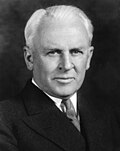
Robert Andrews Millikan
United States of America
for his work on the elementary charge of electricity and on the photoelectric effect (e.g., Phys. Mag. XIX:6 (1910) 209; Phys. Rev. 2 (1913) 109-143)
Theodore William Richards
United States of America
for his accurate determinations of the atomic weight of a large number of chemical elements
Elihu Root
United States of America
for his strong commitment to international arbitration and his draft proposal for an international court
Albert Abraham Michelson
United States of America
for his optical precision instruments—especially the Michelson interferometer—and the spectroscopic and metrological investigations carried out with their aid
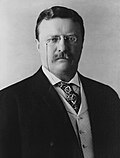
Theodore Roosevelt
United States of America
for his role in bringing to an end the bloody war recently waged between two of the world's great powers, Japan and Russia